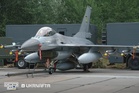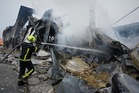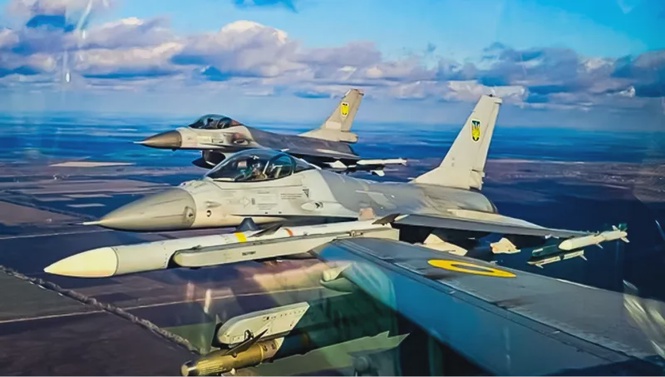
Ukraine's F-16 fighter jets have shot down about 4,700 Russian one way attack drones since they entered service, including roughly 1,100 in October alone, according to the commander of a Ukrainian F-16 squadron. Most of those kills, he said, were made with the jet's cannon rather than missiles, because Ukraine does not have enough air to air missiles to spend on cheap drones.
The pilot, who goes by the call sign "Phantom," presented the figures at the International Fighter Conference on November 5, Aerospace Global News (AGN) reported. The total covers only the F-16 fleet. It does not include drones downed by Ukraine's small number of French built Mirage 2000 jets or by the Soviet era fighters still in its inventory.
The numbers show how much Kyiv now relies on Western supplied fighters for air defense against Russia's nightly drone waves. They also point to the cost: limited missile stocks and a maintenance burden that grows with every sortie.
Why Ukrainian Pilots Rely On The Cannon
Phantom said that with air to air missiles in short supply, Ukrainian F-16 pilots now down most Russian drones with gunfire. The jet carries an M61A1 Vulcan, a six barrel 20mm rotary cannon, with about 511 rounds. That is a larger ammunition load than many other Western fighters carry, which makes the F-16 better suited to missions that require several separate attacks.
Aviation journalist Gareth Jennings, who attended the conference, quoted Phantom as saying that one pilot shot down eight drones in a single sortie using about 400 rounds, and returned to base with roughly 100 left. A few days later the same pilot downed nine drones on one mission and came back with about 80 rounds remaining.
Phantom described the core of the tactic as closing to the right distance before opening fire.
Simulator Training Turns Misses Into Kills
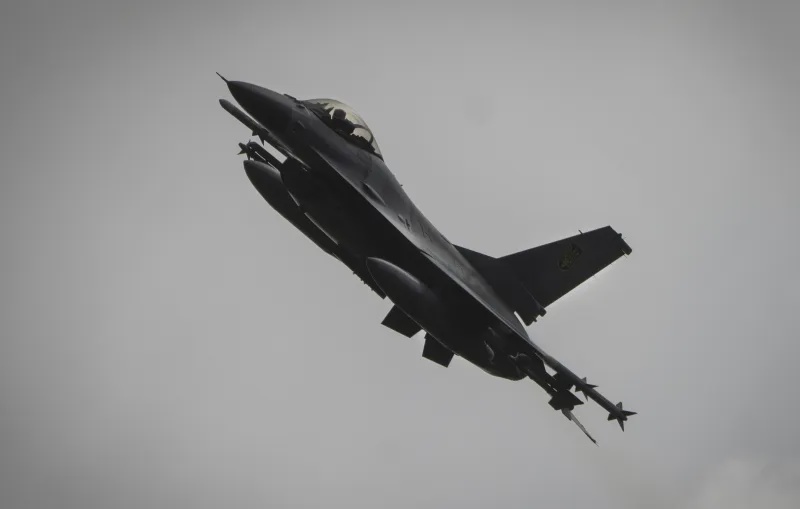
Training has made as much difference as tactics. Phantom cited a less experienced pilot who at first could hardly hit anything when he fired on drones. After sessions in a simulator, the same pilot hit five targets on a single mission.
Missiles still have a role where they are available. Ukrainian pilots have previously praised the Matra R.550 Magic 2, a short range infrared guided missile carried by the Mirage 2000, as well suited to intercepting drones and other aerial threats.
A Squadron Commander Argues For Fewer Jet Types
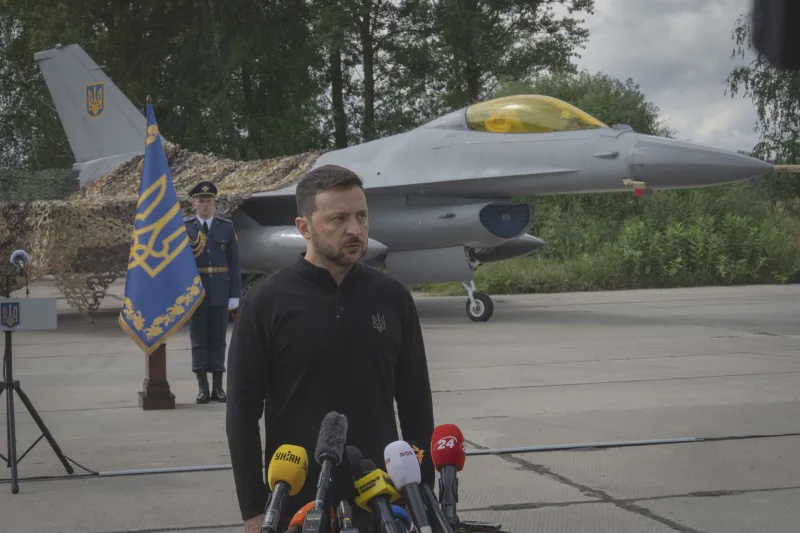
Phantom also warned that Ukraine's air force should not try to operate too many different Western aircraft at once. He argued that the fleet should eventually be narrowed to two types, the F-16 and Sweden's Gripen, to reduce the burden on training and logistics.
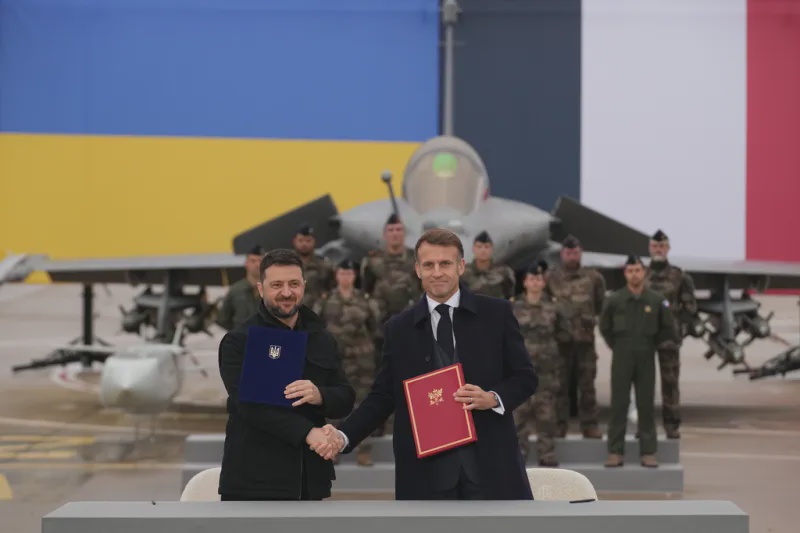
Kyiv's plans point in a different direction. Ukraine is pursuing a purchase of French Rafale fighters, and pilot training for the jet is expected to begin soon. President Volodymyr Zelensky and French President Emmanuel Macron have signed a letter of intent covering 100 Rafales.
More Western Jets Are On The Way
Ukraine still flies Soviet era MiG-29, Su-24, Su-27 and Su-25 aircraft. They are expected to be retired gradually once there are enough Western jets to cover combat needs.
European partners continue to fill that gap. Belgium is expected to start handing over retired F-16s soon, and Sweden is preparing to deliver 16 older Gripen C/D fighters in the coming months. Neighboring Poland is reportedly preparing to transfer two older MiG-29s to Ukraine.
Heavy Flying Wears Down Both Air Forces
AGN has previously reported that the constant, high intensity missions are putting Ukraine's F-16 fleet under heavy maintenance pressure, with a significant share of aircraft reportedly unavailable at any given time.
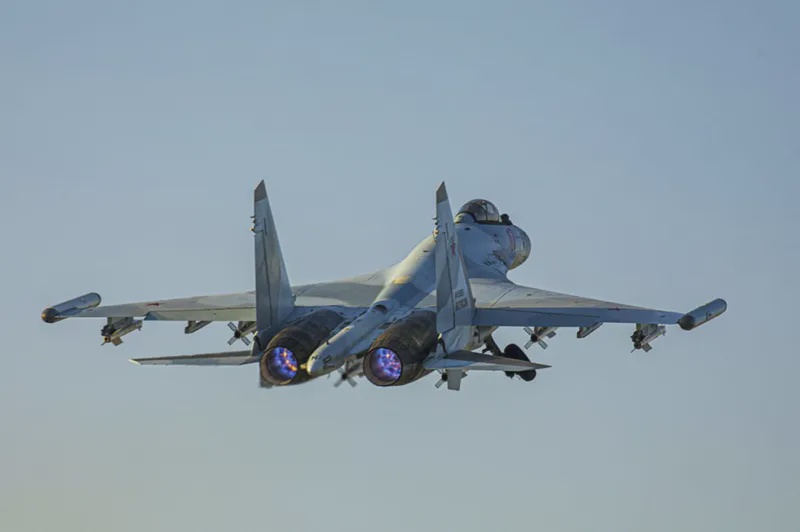
Russia's air force faces a similar problem. Fighter-Bomber, a Russian military blogger and retired fighter pilot, recently said Russian combat jets log thousands of flight hours each year, partly in response to Ukrainian air activity. That pace is likely to use up the airframe life of modern types such as the Su-34, Su-30 and Su-35 faster than planned.
Some satellite images have also shown a small number of Russian jets being stripped for parts to keep other aircraft flying, though the true scale and impact of the cannibalization are unclear.