
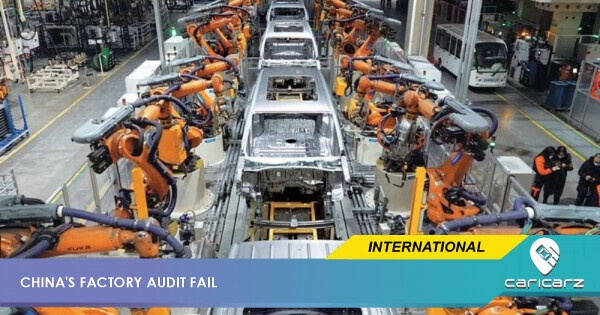
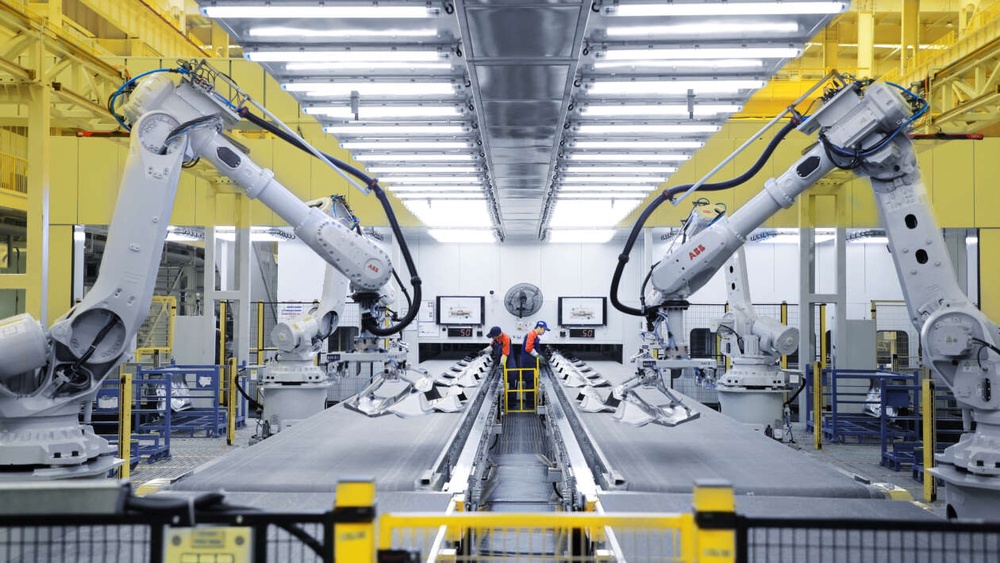
In a nationwide sweep targeting over 100 domestic manufacturers, China's Ministry of Industry and Information Technology (MIIT) launched a year-long campaign alongside three other ministries, sending inspectors into assembly plants and dealerships for surprise audits.
They impounded sample vehicles, sealed hardware and software configurations, and put them through rigorous crash, structural, battery endurance, and cybersecurity checks to see if production units actually matched official paperwork. What they discovered proves that building cars at tech-startup speed comes with real trade-offs.
Inspectors didn't just review paperwork; they physically seized production vehicles and tested safety systems against official type-approval filings. Here are the 4 core non-conformities uncovered during the campaign:
Regulators found physical dimensions on certain production cars that did not match declared catalog paperwork. Specifically, a Geely EX2 (sold domestically in China as the Xingyuan) recorded a wheelbase deviation exceeding the strict 1% permitted variance margin. Even small deviations can alter a vehicle's handling dynamics.
Finding #2: Higher Real-World Fuel Consumption Than DeclaredUnderreported fuel figures were another primary target. Inspectors flagged a BYD Qin L DM-i test unit for posting fuel consumption numbers higher than its declared official figures when operating in charge-sustaining mode (running purely on the internal combustion engine once battery charge is depleted).
In the rush to push completed cars out the factory gate, several production units were dispatched without physical owner’s manuals. While modern cars heavily rely on digital center-screen manuals, fundamental operating procedures, fuse box diagrams, and emergency manual release instructions must legally accompany every physical delivery.
Finding #4: Emergency Window Safety Devices Falling ShortDuring component testing, inspectors discovered that emergency window-breaking devices and side-impact protection systems on select models fell short of required standards. In an emergency water-submersion or rollover scenario, these mechanisms are crucial for rapid egress.
To show how thorough the investigation was, factory checks extended far beyond physical hardware. Regulators impounded control units for rigorous cybersecurity and data security sweeps,.
2. The Price War Threat: Why Shorter Launch Cycles Endanger Quality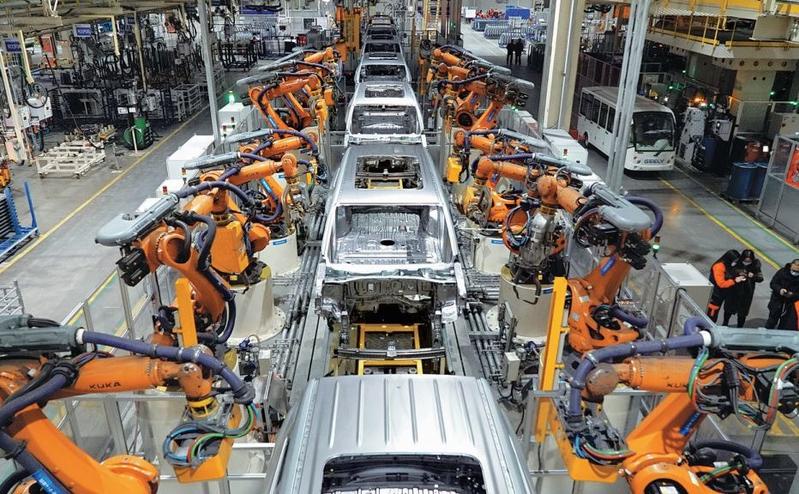
The findings are not isolated mistakes, they stem from massive industry overcapacity and brutal price wars that have squeezed margins across the auto sector. To cut costs and capture market share, automakers are pushing vehicle development speeds to unprecedented limits:
The 18-Month "Fast Fashion" Push: Chinese automakers currently launch new models in roughly 24 months, half the traditional 3-to-5-year development cycle run by legacy foreign brands. Tech associations have even suggested using AI to shrink that timeline down to just 18 months. Regulators are now stepping in, questioning whether breakneck speed is compatible with rigorous physical validation and long-term vehicle safety.Proposal To Double Mandatory EV Road Testing: To stop manufacturers from skipping or shortening testing phases, authorities are weighing a mandatory doubling of pre-launch road testing distances for new electric vehicles, from 15,000 km to 30,000 km (18,641 miles). This single regulatory shift would stretch validation timelines significantly before any new chassis reaches showrooms.3. What This Means For Malaysian Buyers & CBU ImportsWhat happens next? Expect an industry divide. Some automakers will pump the brakes on rapid-fire car launches, while deep-pocketed players will pour massive capital into validation labs just to maintain their speed.
For Malaysian buyers queueing up for incoming CBU EV or PHEV orders, tighter home-market road-test mandates (like the proposed 30,000 km requirement) could translate into longer wait times for local showroom debuts.
Source: Motor1