Malaysia is home to six UNESCO World Heritage Sites, and each one tells a different part of the country’s story. Together, the UNESCO World Heritage Sites in Malaysia cover towering mountains, vast cave systems, historic port cities, prehistoric archaeology and a forest grown back from an old tin mine.
As of November 2026, the UNESCO World Heritage Centre lists six Malaysian properties, with three more on the country’s Tentative List. Here is a closer look at each of the UNESCO World Heritage Sites in Malaysia, and why they are worth adding to your travel plans.
UNESCO World Heritage Sites in Malaysia at a Glance
- Kinabalu Park, Sabah (2000)
- Gunung Mulu National Park, Sarawak (2000)
- Melaka and George Town, Historic Cities of the Straits of Malacca (2008)
- Archaeological Heritage of the Lenggong Valley, Perak (2012)
- Archaeological Heritage of the Niah National Park Caves Complex, Sarawak (2024)
- FRIM Selangor Forest Park, Selangor (2025)
1. Kinabalu Park, Sabah
One of the first two UNESCO World Heritage Sites in Malaysia, Kinabalu Park was inscribed in 2000 and surrounds Mount Kinabalu, Malaysia’s highest peak at 4,095 metres. The park is celebrated for its remarkable range of plant and animal life, from lowland rainforest to mountain habitats near the summit. For many Malaysians, climbing Kinabalu is a once-in-a-lifetime challenge, but the park’s trails and gardens near the headquarters can be enjoyed without reaching the top.
2. Gunung Mulu National Park, Sarawak
Listed in the same year, Gunung Mulu was Sarawak’s first World Heritage Site. It is famous for its limestone karst landscape and enormous cave systems, including some of the largest cave passages and chambers known anywhere in the world. Visitors come for the show caves, canopy walks and the evening spectacle of bats streaming out of the caves.
3. Melaka and George Town
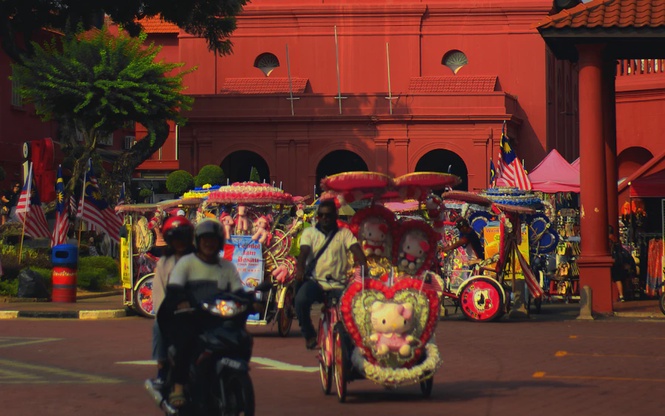
Melaka and George Town were inscribed together in 2008 as historic trading cities along the Straits of Malacca. Their shophouses, places of worship, streets and food culture reflect centuries of exchange between Malay, Chinese, Indian and European communities. Both cities are easy to explore on foot, making them ideal for a weekend of heritage walks and hawker food. In Penang, a ride up Penang Hill pairs well with a George Town walk.
4. Archaeological Heritage of the Lenggong Valley, Perak
Recognised in 2012, the Lenggong Valley in Perak holds open-air and cave sites that record early human activity across a long stretch of prehistory. It is best known as the place where Perak Man, a prehistoric skeleton, was discovered. The valley offers a quieter, more reflective heritage experience for history lovers.
5. Niah National Park Caves Complex, Sarawak
Niah became Malaysia’s fifth World Heritage Site in July 2024, announced at the World Heritage Committee meeting in New Delhi, Free Malaysia Today reported. A human skull found at the West Mouth of the Great Cave in 1958 was estimated to be about 40,000 years old, making it some of the oldest evidence of modern humans in Southeast Asia.
According to the Sarawak Forestry Corporation, the park headquarters is about two hours’ drive from Miri or Bintulu. Visitors cross the Niah River by boat and walk about 3.5 km along a raised plankwalk to the Great Cave. The nearby Painted Cave has red hematite wall paintings of human figures, animals and longboats.
6. FRIM Selangor Forest Park
Malaysia’s newest listing came in July 2025, when the World Heritage Committee inscribed FRIM Selangor Forest Park at its 47th session in Paris, after a nomination journey that began in 2013. As The Star reported, the Tourism, Arts and Culture Ministry described it as one of the earliest large-scale tropical forest ecosystem restoration efforts. The forest was replanted on former tin mining land and now closely resembles a natural rainforest, right on the edge of the Klang Valley.
Why These Sites Matter
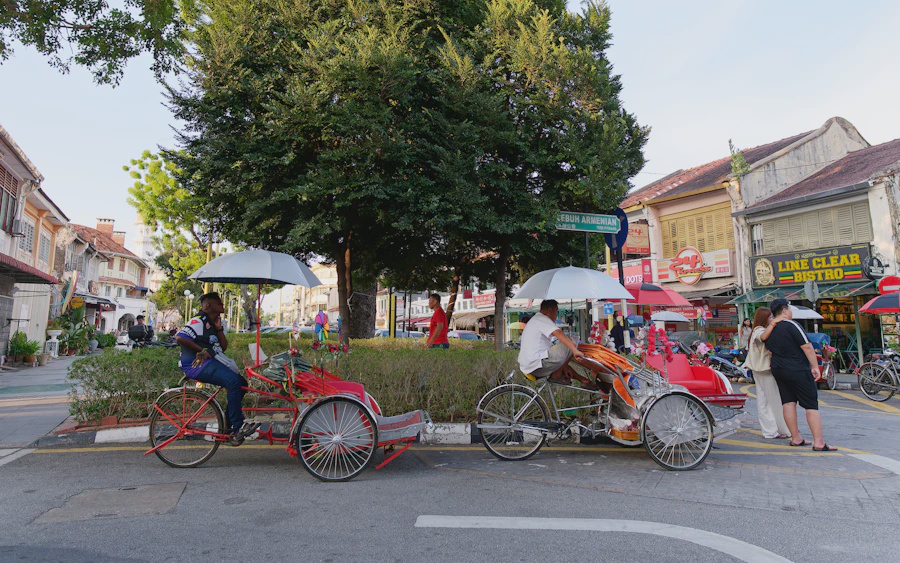
World Heritage status recognises places of outstanding value to all of humanity, not just to one country. The UNESCO World Heritage Sites in Malaysia highlight how much variety sits within one nation: Borneo’s mountains and caves, the multicultural cities of the Straits, ancient archaeology in Perak and a modern conservation success story in Selangor.
They also make excellent travel goals for the year-end school holidays and beyond. Whether you tick off one site or plan a heritage trail across all six UNESCO World Heritage Sites in Malaysia, each visit supports the communities and caretakers who protect these places for future generations.
To learn more about each site and Malaysia’s Tentative List, visit the UNESCO World Heritage Centre’s Malaysia page.
The post UNESCO World Heritage Sites in Malaysia: 6 Treasures to Explore appeared first on RISEMALAYSIA.my.