

1. The relationship between your lifestyle and hippocampus.
If you read the title, you must be wondering why talk about the hippocampus only when the brain consists of so many parts.
Here's why.
There are many parts of the brain that can be kept healthy with our lifestyle, but one of the most important ones is the hippocampus.
Unfortunately, the hippocampus is also one of the most vulnerable brain regions to damage and degeneration through our bad lifestyles and diseases.
There are 2 parts in this series on the hippocampus:
Part I (this article) explains the functions of the hippocampus and what are the factors that cause it to shrink (hippocampal atrophy).
In Part II, you are given the good news - how to expand your hippocampus. Stay tuned for Part II.
2. Location and functions of the hippocampus
The hippocampus is a pair of seahorse-shaped structures located deep in the center of your brain.
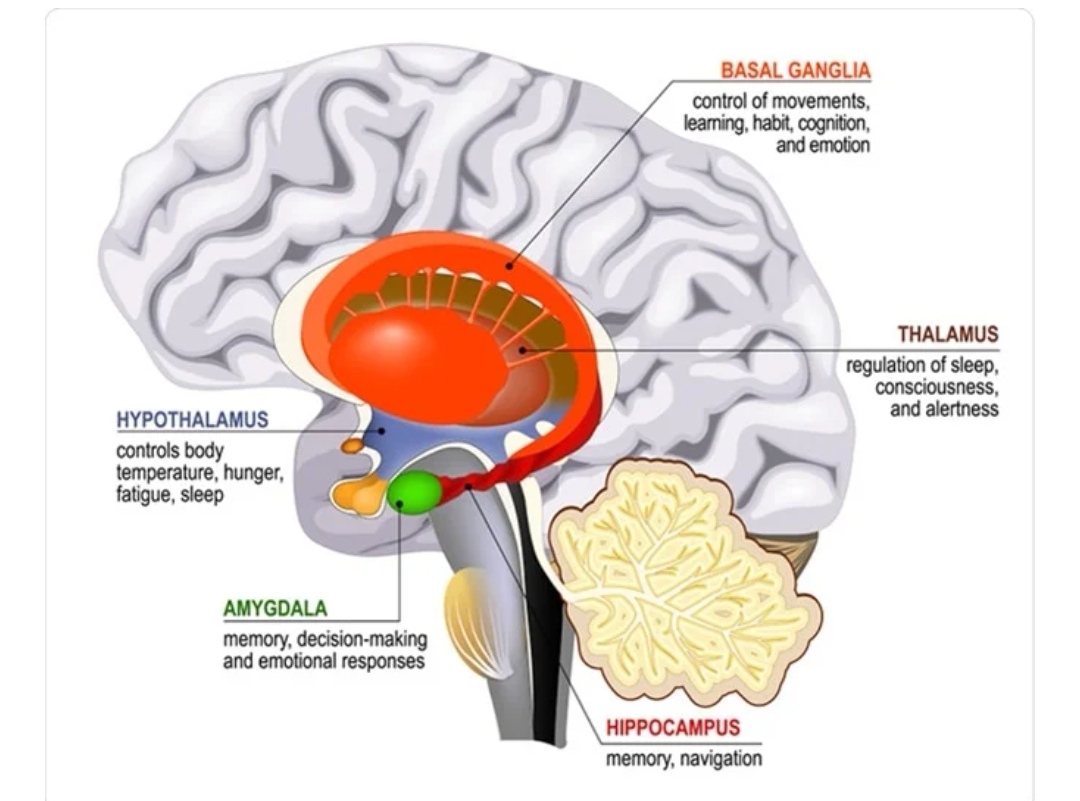
Cross section of the human brain showing the location and shape of the hippocampus. Image credit: Adobe Stock
The diagram above serves only to show the shape and location of the hippocampus.
The hippocampus is involved in processing and regulating emotions and memories. The hippocampus helps us form and retrieve two types of memory: declarative memories and spatial memories (navigation).
Declarative memories are those related to facts and events such as what you ate for breakfast, what was the title of the movie you watch last night or who won the last general election.
Spatial memories are those related to pathways or routes, such as how to get to your favorite restaurant or where you parked your car.
The hippocampus also plays a role in the experience of “mental time travel”, when you recall your past memories or imagine your future scenarios.
3. What is hippocampal atrophy?
Various factors, such as aging, stress, depression, insomnia, alcohol abuse, and neurodegenerative diseases, can cause the hippocampus to shrink over time.
This process is known as hippocampal atrophy, and it can have significant impacts on memory and cognition.
Hippocampal atrophy can impair the ability to form new memories, especially declarative memories that involve facts and events.
It can also affect the retrieval of old memories, making it difficult to recall information that was previously learned or experienced.
Furthermore, hippocampal atrophy can interfere with spatial (navigation) memory, which is the ability to remember and navigate routes and locations.
That is why you hear stories of old people who do not remember how to go back to their homes. Here's an example.
4. What are the factors that can cause hippocampal atrophy?
There are several factors that can cause our hippocampus to shrink. Some of these factors are:
a. Alzheimer's disease: The hippocampus is one of the first areas of the brain that is affected by Alzheimer’s disease, the most common form of dementia.
Alzheimer’s disease causes the hippocampus to shrink and lose its function, leading to memory loss and confusion.
People with Alzheimer’s disease may have difficulty forming new memories, remembering recent events, or recognizing familiar places and faces.
As the disease progresses, the hippocampus becomes more damaged, and other cognitive functions decline as well.
b. High blood pressure: High blood pressure can damage the blood vessels that supply oxygen and nutrients to the brain, and reduce the blood flow to the hippocampus. This can impair its function and lead to atrophy.
c. Diabetes: Diabetes can affect the metabolism of glucose and insulin in the brain, and increase the risk of inflammation and oxidative stress. These can harm the hippocampal neurons and cause them to die.
d. Cigarette smoking: Cigarette smoking can expose the brain to toxins and chemicals that can damage the hippocampal cells and reduce their ability to form new connections.
Smoking can also increase the levels of cortisol, a stress hormone that can shrink the hippocampus.
e. Being overweight or obese: Being overweight or obese can increase the levels of inflammation and oxidative stress in the body and the brain and affect the production of BDNF (Brain-derived neurotrophic factor), a protein that promotes the growth and survival of new neurons in the hippocampus.
Excess weight can also increase the risk of high blood pressure and diabetes, which can further damage the hippocampus.
f. Sedentary lifestyle: Sedentary lifestyle can reduce the physical activity and exercise that are beneficial for the hippocampus.
Exercise can increase the blood flow, oxygen, and nutrients to the brain and stimulate the production of new neurons and BDNF in the hippocampus.
Exercise can also improve the mood, motivation, and attention, which can enhance the hippocampal function.
g. Eating junk food: Eating junk food can affect the quality and quantity of the diet that is essential for the brain health.
Junk food can contain high amounts of sugar, salt, fat, and additives that can impair the metabolism and increase the inflammation and oxidative stress in the brain.
Junk food can also deprive the brain of the vitamins, minerals, antioxidants, and omega-3 fatty acids that are important for the hippocampal health.
h. Stress, anxiety, and depression: Stress, anxiety, and depression can affect the emotional and mental well-being and also sleep quantity and quality which can have a negative impact on the hippocampus.
These conditions can increase the levels of cortisol and other stress hormones that can damage and kill the hippocampal neurons.
These are some of the factors that can cause our hippocampus to shrink.
To learn about how to prevent or reverse the shrinkage of the hippocampus, stay tuned for Part II of this article.
Kevin Wong is a content creator under the Newswav Creator programme, where you get to express yourself, be a citizen journalist, and at the same time monetize your content & reach millions of users on Newswav. Log in to creator.newswav.com and become a Newswav Creator now!
The User Content (as defined on Newswav Terms of Use) above including the views expressed and media (pictures, videos, citations etc) were submitted & posted by the author. Newswav is solely an aggregation platform that hosts the User Content. If you have any questions about the content, copyright or other issues of the work, please contact Newswav.
