.png)
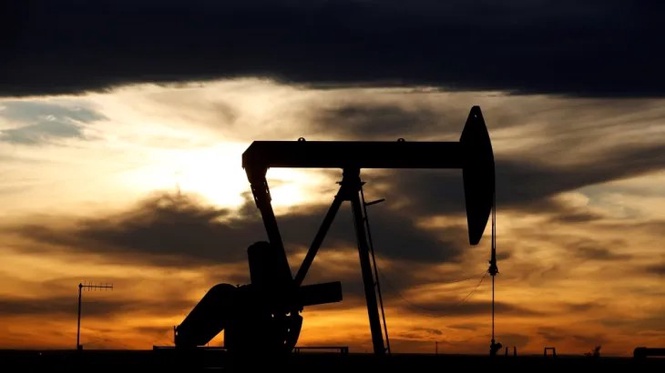
BRENT crude surged above US$95 a barrel on Wednesday, extending its gains for a third consecutive session to reach its highest level in nearly six weeks as escalating hostilities between the United States and Iran heightened concerns over further disruptions to energy flows from the Middle East.
US crude also climbed towards US$91 a barrel as the renewed confrontation intensified fears over the security of the Strait of Hormuz, a key global oil transit route.
The US military launched fresh strikes against Iranian targets around the Strait of Hormuz, with President Donald Trump saying the attacks were retaliation for Tehran’s alleged attempts to lay mines in the waterway and for an earlier attack on a US military base.
Trump also warned that the United States would launch a significantly larger response if Iran retaliated.
Iran said it had already responded by targeting US bases in the region and firing missiles towards Jordan, further raising concerns over a wider regional escalation.
US Treasury Secretary Scott Bessent meanwhile said Iran’s bankruptcy was in the “acceleration phase”, while noting that about 17 million barrels of crude had passed through the Strait of Hormuz on Monday, suggesting Tehran did not have control over the strategic waterway.
The latest surge in oil prices has also added to inflationary pressures, potentially complicating the outlook for central banks already weighing interest-rate decisions.
At the same time, the US dollar strengthened against major currencies as higher Treasury yields encouraged investors to seek the relative safety of the greenback.
The dollar index, which measures the US currency against a basket including the euro and Japanese yen, rose 0.27 per cent to 99.68.
The euro fell 0.23 per cent to US$1.1589, while the Japanese yen weakened 0.3 per cent to 160.19 against the dollar.
The dollar index rose above 99.6, extending its rebound from a three-month low of 98.8 recorded on Aug 21.
The recovery tracked a broad rise in US Treasury yields as renewed inflationary risks strengthened expectations that the Federal Reserve could maintain a more hawkish policy stance.
The renewed US-Iran attacks have further reduced already limited prospects for energy flows through the Strait of Hormuz to improve in the near term.
Higher energy prices could add to inflation just as several Federal Open Market Committee members, including Chairman Warsh, have warned that persistent inflation could warrant higher interest rates.
Warsh also said the labour market had recently been operating close to full employment, in a backdrop of annual revisions to non-farm payroll figures that showed employment growth was substantially weaker than previously reported.
Meanwhile, signs of stronger inflation in the eurozone have reinforced expectations that the European Central Bank could raise interest rates, providing some support for the euro and limiting further gains in the dollar index.
The developments leave global energy and currency markets increasingly sensitive to the trajectory of the US-Iran conflict, particularly any disruption to oil shipments through the Strait of Hormuz. -September 2, 2026