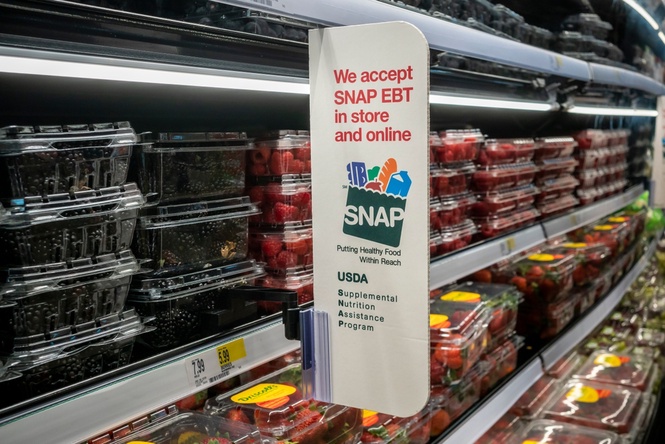
Millions of Americans who rely on Supplemental Nutrition Assistance Program (SNAP) benefits could eventually see major changes to the cards they use to purchase groceries. The U.S. Department of Agriculture has proposed new security requirements for Electronic Benefit Transfer (EBT) cards, including chip technology, contactless payments, and additional protections against benefit theft.
The proposed changes, published in the Federal Register on October 23, 2026, are intended to address longstanding security weaknesses in SNAP payment systems.
According to the USDA’s Food and Nutrition Administration, the proposed rule would modernize EBT technology to better align with security standards already used by traditional credit and debit cards.
For households that depend on SNAP to afford groceries, stronger protections could help prevent criminals from stealing benefits before families have an opportunity to use them.
Why USDA Wants to Change SNAP EBT Cards
SNAP provides monthly grocery assistance to millions of low-income Americans, including retirees, families with children, and people with disabilities.
In fiscal year 2025, approximately 42 million people received SNAP benefits during an average month, according to USDA.
However, the magnetic stripe technology traditionally used on EBT cards has created vulnerabilities that criminals can exploit.
One common method involves card skimming, in which criminals install devices on payment terminals to capture card information and potentially steal benefits.
The USDA proposal is designed to strengthen payment security while maintaining access to food assistance for eligible households.
New EBT Cards Would Include Chip and Tap-to-Pay Technology
One of the most significant changes would require states to transition to EBT cards equipped with EMV chip and Near Field Communication (NFC) technology.
These features are already common on traditional bank cards and can provide stronger protection against certain forms of card skimming and cloning.
Under the proposal, SNAP retailers would also need to support chip and contactless EBT transactions within established implementation timeframes.
The USDA believes these changes could substantially reduce opportunities for criminals to steal card information through compromised payment terminals.
Recipients would need to activate their replacement chip cards after receiving them, although the requirements and rollout schedules would be established through the regulatory process.
Stronger PIN Protections and Account Monitoring Are Also Proposed
The proposed rule goes beyond replacing magnetic stripe cards with more secure technology.
It would establish additional PIN security requirements, including restrictions on easily guessed combinations and improved account protection features.
States would also be required to provide certain cardholder-selected security options that could help recipients manage how their benefits are accessed.
Another proposed change would give households more detailed access to transaction histories, including purchase dates, amounts, retailer information, and certain account changes.
These tools could make it easier for SNAP recipients to identify suspicious transactions and report potential benefit theft.
What the Changes Could Mean for SNAP Households
For families living on limited grocery budgets, stolen SNAP benefits can create an immediate financial emergency.
A household expecting $300 in monthly food assistance, for example, could struggle to replace that money if criminals gained access to its EBT account.
Improved card security could help reduce that risk, while expanded account monitoring features may allow recipients to recognize unauthorized activity sooner.
However, the proposal could also require recipients to learn new card activation procedures and become familiar with updated payment methods.
State agencies and retailers would need to prepare their systems to support the technology before the changes could be fully implemented.
USDA Is Accepting Public Comments Through December 22
The security requirements are currently part of a proposed rule, meaning they have not yet taken effect.
The Food and Nutrition Administration is accepting public comments through December 22, 2026, before determining the final regulatory requirements.
Interested individuals, SNAP recipients, retailers, and other stakeholders can review the proposal and submit feedback through Regulations.gov.
Comments may also be submitted by email to SM.FN.SNAP.Issuance.Policy@usda.gov or mailed to the SNAP Innovation Policy and Issuance Division in Beltsville, Maryland.
The agency cautions that submitted comments, including identifying information, may become publicly available as part of the federal rulemaking record.
How SNAP Recipients Can Protect Their Benefits Right Now
While the federal government considers these changes, SNAP recipients should continue taking precautions to protect their existing EBT cards.
The National Council on Aging recommends using strong PINs, changing them regularly, and watching for suspicious messages requesting card information.
Recipients should also inspect payment terminals for signs of tampering and avoid sharing their PINs or card numbers with unfamiliar callers or websites.
Checking EBT account balances and recent transactions can help identify unauthorized purchases before additional benefits are stolen.
Anyone who suspects benefit theft should contact their state SNAP agency or EBT customer service provider promptly to report the problem and learn what assistance may be available.
Stronger Security Could Help Protect Grocery Budgets
The USDA’s proposed SNAP EBT security changes represent a potentially important step toward protecting food assistance from increasingly sophisticated theft schemes.
Chip-enabled cards, contactless payments, stronger PIN requirements, and expanded account monitoring could help address vulnerabilities that have affected SNAP recipients for years.
However, these protections remain proposals, and households should not expect immediate changes to their cards or benefits.
Recipients can follow updates through the USDA and their state SNAP agencies while continuing to protect their existing accounts.
For families relying on every dollar of grocery assistance, preventing benefit theft could make a meaningful difference in household financial stability.
What to Read Next
Nebraska Wants to Ban Soda, Energy Drinks and Candy From SNAP — USDA Wants Public Input
How Do You Get Emergency Snap Benefits?
Could Your Grocery Budget Jump in October? Some SNAP Households Should Prepare Now
The post USDA Proposes Major SNAP EBT Card Security Changes to Combat Stolen Benefits appeared first on Grocery Coupon Guide.