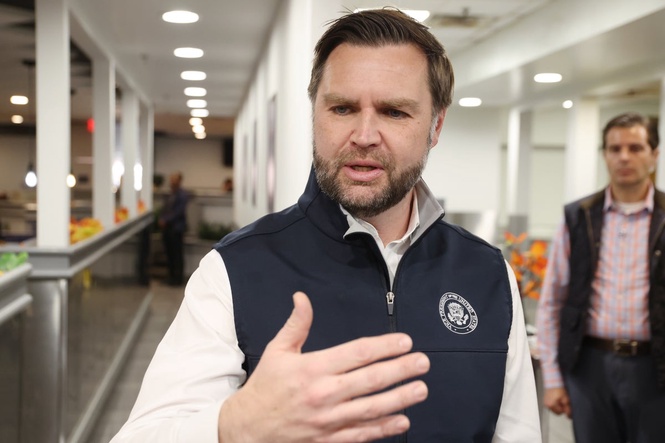
Vice President JD Vance said Wednesday that Attorney General Todd Blanche and other government officials assured him that Nvidia CEO Jensen Huang was not facing an investigation when the White House advocated for his reinstatement at the chipmaker.
Speaking to reporters in Ohio, Vance defended the administration’s push to bring the tech executive back to the company after he stepped down earlier this month. According to Monday reports, the vice president personally worked behind the scenes over the weekend with Nvidia’s board and Huang to help secure the reinstatement.
“We were told he was under no investigation,” Vance said. “Frankly, in our country, we have to remember we don’t try people in the court of public opinion. We don’t try people based on anonymously sourced stories in The New York Times. We try people based on evidence.”
When pressed to identify who provided those assurances, Vance named Blanche and other U.S. government officials.
However, Blanche offered a less definitive response when questioned by reporters on Tuesday about whether Huang had ever been the subject of a probe.
“What does that mean? Had Huang been investigated? For what?” Blanche said, as reported by The Hill. “I don’t understand the question … even the reporting from the various leaks or sources or whatever that was out there didn’t suggest Huang himself was under some sort of investigation. At least not that I saw.”
While Blanche had previously stated that the FBI was “looking into” allegations involving Huang, he clarified on Tuesday that such inquiries did not necessarily constitute a formal investigation.
Though President Donald Trump publicly took credit for spearheading Huang’s return, he asked Vance — who entered office with deep ties to Silicon Valley — to negotiate privately with Nvidia’s board, people familiar with the discussions told The New York Times. To persuade directors to reverse their prior stance, Vance reportedly worked to deliver two specific assurances from the White House: confirmation that the administration did not view Huang as a national security threat, and a statement that he was not facing criminal charges.
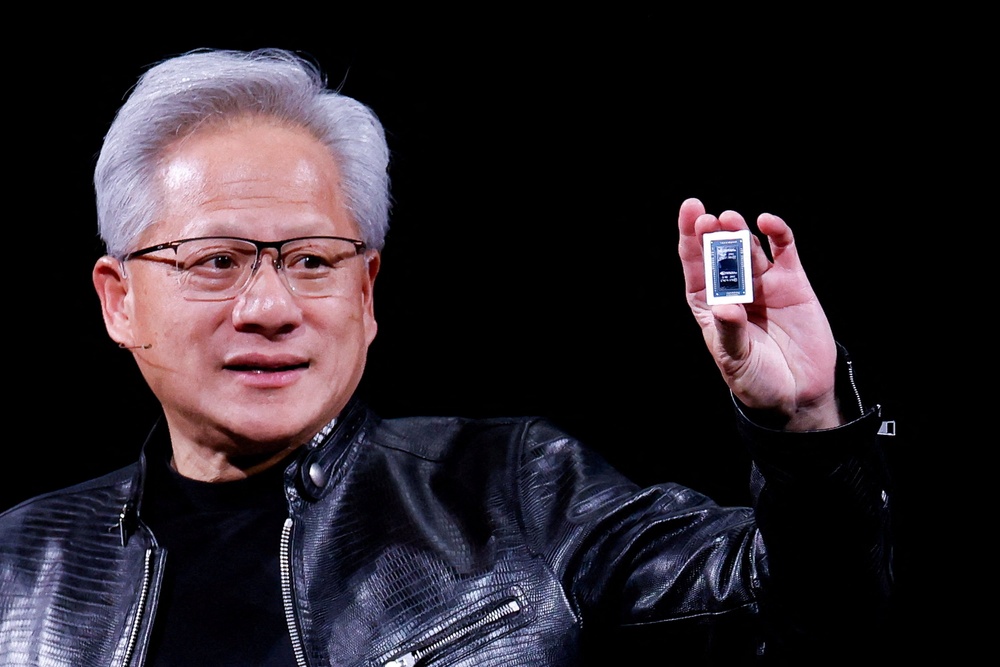
In a Monday morning post on Truth Social, Trump provided those public assurances, writing that Blanche had confirmed the U.S. government lacked evidence of “any unlawful conduct.”
A source told The Hill that the administration viewed Huang as a crucial figure in protecting open-source artificial intelligence models from closed-source competitors.
The scrutiny follows Huang’s admission that he was unfaithful to his wife. Separately, questions have been raised over his reported ties to Alice Huang, a woman suspected of working with Chinese intelligence.
According to The New York Times, Alice Huang maintained contact with an official from China’s primary intelligence agency for more than a year. Additionally, her employer, Megaspeed, a Singapore-based company, is currently under investigation by both the Justice Department and the Commerce Department for allegedly helping funnel Nvidia chips to China in violation of U.S. export controls.
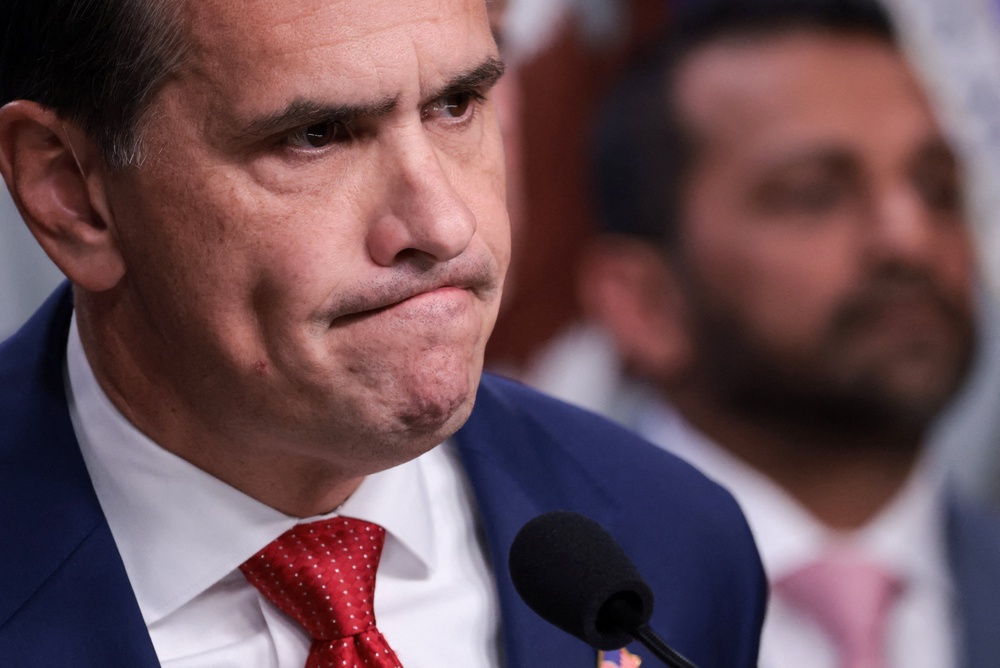
In its Monday announcement, Nvidia stated it would hire a chief compliance officer and continue its internal investigation with Huang’s cooperation.
Despite the White House's backing, lawmakers from both parties have expressed ongoing concerns regarding Huang’s return, the administration's involvement in his reinstatement, and whether the billionaire had knowledge of export control violations or shared sensitive information.
Senate Minority Leader Chuck Schumer accused Trump on X of putting “the needs of his billionaire buddies before our national security,” while Republican Senator Pete Ricketts said the reinstatement “doesn’t excuse Jensen Huang from testifying before Congress.”
Huang is scheduled to testify before House and Senate committees next week.
Read MoreFCC says SpaceX can deploy 1 million satellites for data centers in space. Scientists are skeptical
Trump heads to Arizona next week for a high-stakes expansion of TSMC's computer chip factories
Ukraine war latest: US approves possible $622m sale of F-16 equipment to Kyiv