
In today's age of environmental consciousness and sustainable living, managing household organic waste responsibly is no longer a choice—it’s a necessity. One of the most powerful yet simple practices to achieve this is vermicomposting, a natural process of converting organic waste into nutrient-rich compost using earthworms, particularly African Night Crawlers (ANC).
Why Vermicomposting in the City?
Urban homes generate a surprising amount of organic waste daily—coffee grounds, tea leaves, fruit and vegetable scraps, juice pulp, and even spent mushroom substrate. Add to that small-scale animal waste from rabbits, goats, or even cow manure sourced from local farms, and we’re looking at an incredible opportunity to turn waste into wealth. Instead of throwing these materials into landfills, vermicomposting offers a zero-waste, low-cost, and eco-friendly solution for your home garden.
What Can You Vermicompost?
Here’s what goes well into a home-based vermicomposting system:
Coffee grounds & tea leaves – Rich in nitrogen and excellent worm food.
Fruit and vegetable peels or pulp – From daily juicing or cooking.
Spent mushroom substrate (SMS) – A valuable carbon-rich base.
Animal manure – Cow, rabbit, and goat manure are perfect after pre-composting or aging.
Old newspaper, cardboard, coco coir – As bedding material.
How to Start at Home
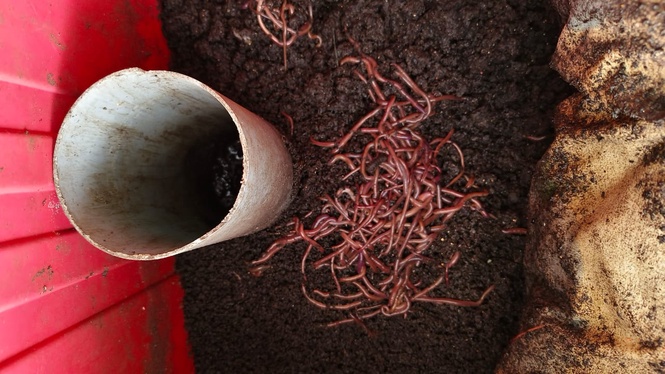
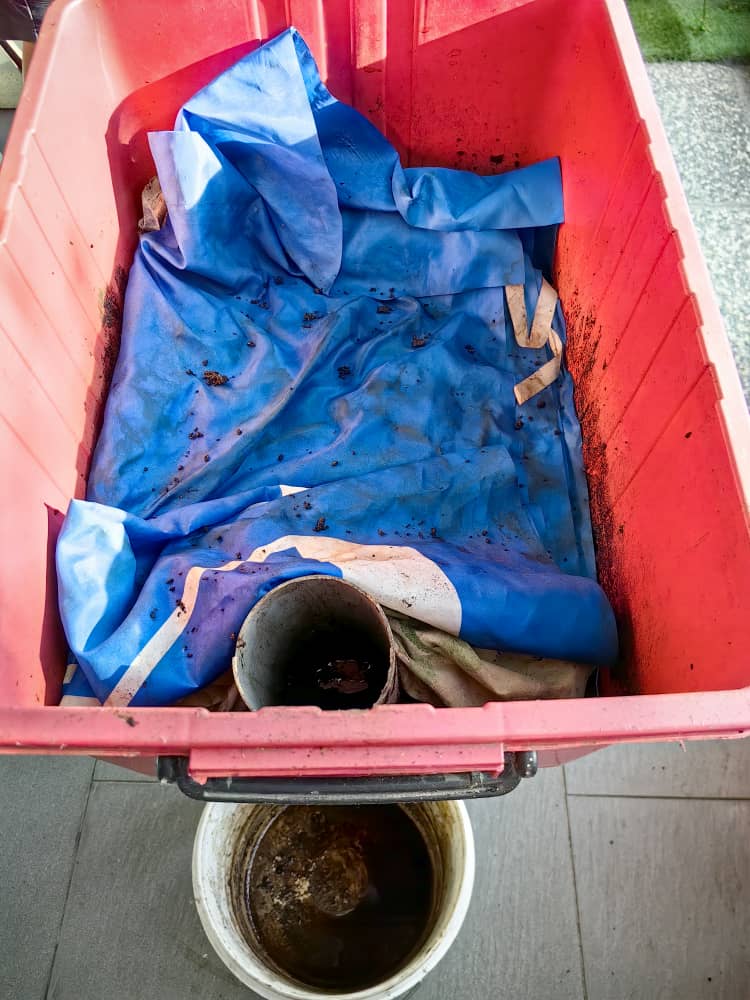
You can set up a simple DIY vermicomposting system using a plastic storage bin with a drainage pipe, as shown in the image above. The pipe allows excess liquid (known as vermitea) to drain into a bucket below. This liquid gold can be diluted and used as a natural fertilizer.
Steps:
Layer bedding like shredded cardboard or coir at the bottom.
Add worms (ANCs) into the bin.
Feed regularly with chopped organic waste.
Cover with a breathable jute sack or cloth to maintain moisture and airflow.
Harvest the compost (worm castings) and vermitea every few weeks.
Benefits for Your Home Garden
Natural fertilizer – Worm castings improve soil texture and microbial life.
Pest and disease resistance – Healthier plants with stronger immune systems.
Water retention – Worm compost improves moisture holding in soil, ideal for container gardens.
Zero-waste kitchen – No more smelly trash bins filled with food waste.
Tips for Success
Avoid dairy, meat, and oily foods.
Pre-compost manure and mushroom waste to reduce heat and pathogens.
Maintain moist but not soggy bedding.
Aerate the bin by gently mixing occasionally.
A Model for Urban Sustainability
With a bit of space and commitment, anyone can build a closed-loop system at home. Your kitchen and garden waste, combined with small-scale manure and mushroom residue, can create a regenerative cycle that feeds your plants while reducing landfill load.
Practicing zero organic waste at home not only reduces your carbon footprint but also empowers you to grow chemical-free herbs, vegetables, and flowers right from your balcony or backyard.
Vermicomposting isn’t just waste management—it’s a lifestyle of regeneration, resilience, and responsibility.
David Mak (davidmak07@gmail.com) is a content creator under the Newswav Creator programme, where you get to express yourself, be a citizen journalist, and at the same time monetize your content & reach millions of users on Newswav. Log in to creator.newswav.com and become a Newswav Creator now!
The User Content (as defined on Newswav Terms of Use) above including the views expressed and media (pictures, videos, citations etc) were submitted & posted by the author. Newswav is solely an aggregation platform that hosts the User Content. If you have any questions about the content, copyright or other issues of the work, please contact creator@newswav.com.
