HANOI - Vietnam's National Assembly passed a revised law on overseas labor Monday, Aug. 24, expanding a ban on sending workers abroad for massage jobs to cover all such work and barring any recruitment to conflict zones, with 476 of 477 delegates voting in favor.
The amendment also reaffirms existing bans on sending workers to jobs that threaten national security, public order, social morality or worker health, or that the receiving country does not permit, according to VietnamNet.
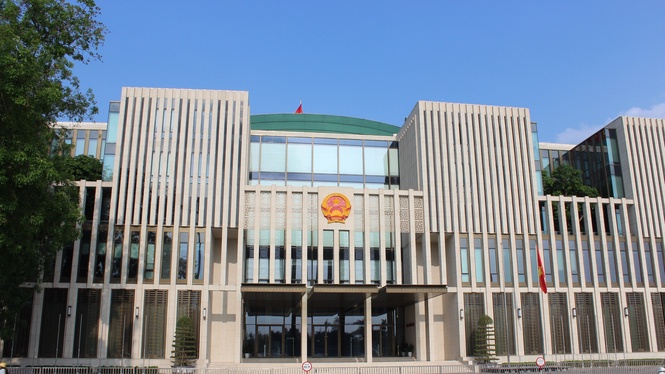
The National Assembly passed the bill during an extraordinary session in Hanoi chaired by its top leader, Tran Thanh Man, according to Baoquocte, the Ministry of Foreign Affairs' newspaper.
The massage ban had previously covered only jobs in restaurants, hotels and entertainment venues. The government proposed extending it to all massage work when it introduced the bill on Aug. 5, arguing the change would reduce the risk of trafficking and exploitation, particularly for women workers, VnExpress reported at the time.
The law also expands the list of fees recruitment agencies are barred from charging workers, according to VietnamNet, and caps the wait between a worker's selection for a job and their departure at 180 days. Agencies that miss that window must pay compensation and refund any service fees or other charges they collected, according to Baoquocte.
Separately, the amendment bars agencies from recruiting through third parties, letting other groups use their license, or working with fraudulent brokers, according to LuatVietnam, a legal-affairs news outlet.
On the administrative side, the law drops 5 of 19 procedures required of labor-export businesses and simplifies 6 more, shifting some approvals to a simpler notification system. The government estimates the changes will cut compliance costs by about 34%, according to LuatVietnam.
The revised law also creates incentives to send trained, skilled workers abroad to build technical experience and language skills, and helps returning workers connect with jobs at home, without limiting opportunities for other workers, according to LuatVietnam.
The amendment takes effect March 1, 2027.