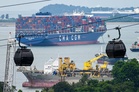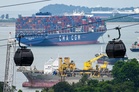
Vietnam said on Thursday it was working to complete a trade deal with the US as soon as possible, hours after the Donald Trump administration threatened new tariffs that could hurt crucial export industries like clothing, footwear and electronics.
The manufacturing hub, which runs the largest trade surplus of any US partner, faces potential tariffs of up to 35 per cent on grounds of excessive industrial capacity, exceeding those of Southeast Asian peers and second only to China's among the 14 nations targeted.
Shortly after the tariffs were unveiled, Vietnam's trade ministry said the two sides were working to seal a trade deal "as soon as possible", adding that it would cooperate with the US investigation on excessive capacity.
Vietnam, home to major export operations of multinational companies such as Samsung and Apple, has spent more than a year hammering out a trade deal with Washington.
Industry officials expected an agreement in December when Vietnam leader To Lam was due to attend a G20 summit in Florida. They see the latest tariffs as an inducement to reach a deal as soon as possible.
"I wouldn’t rule out a deal over the coming months," Bruno Jaspaert, head of DEEP C Industrial Zones, a network of industrial parks in northern Vietnam hosting export-oriented factories run by multinational companies, said.
Such a trade deal could leave Vietnam with tariffs of 20 per cent, above an existing general duty of 12.5 per cent and slightly higher than regional competitors, but well below the threatened 35 per cent, US officials said. That would keep the tariffs on the Southeast Asian country significantly below those on China, preserving its appeal to foreign investors as an alternative manufacturing base nearby.
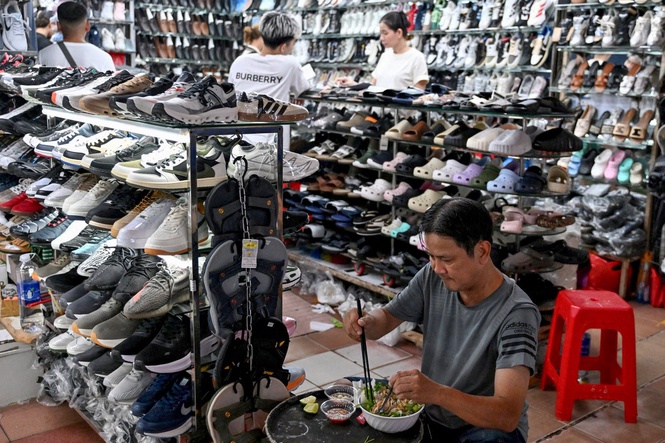
Footwear and clothing hit
Months of uncertainty over tariffs may have already hurt some sectors as production has shifted elsewhere.
"Most of the industries facing the highest threats may have already made plans and carried out contingency measures," Mr Jaspaert said.
The planned new tariffs “add uncertainty for manufacturers serving the American market and could delay sourcing and expansion decisions," John Cambell, head of industrial services in Vietnam at the real estate firm Savills, said.
“Garments, textiles and footwear producers with significant US exposure would be particularly sensitive to higher costs and pressure on margins," he said.
Footwear industry players have said Indonesia has already attracted new investment, while expansion has stalled in Vietnam, home to large operations for Nike, Adidas, and other leading shoemakers.
Competitors in apparel and footwear, such as Bangladesh, Cambodia and Indonesia, have struck deals with Washington for tariffs of 18 per cent.
Electronics woes
Vietnam also faces a US investigation into accusations of intellectual property violations, with a February 28 deadline.
Washington has accused it of functioning as a transit point for Chinese goods headed to the US.
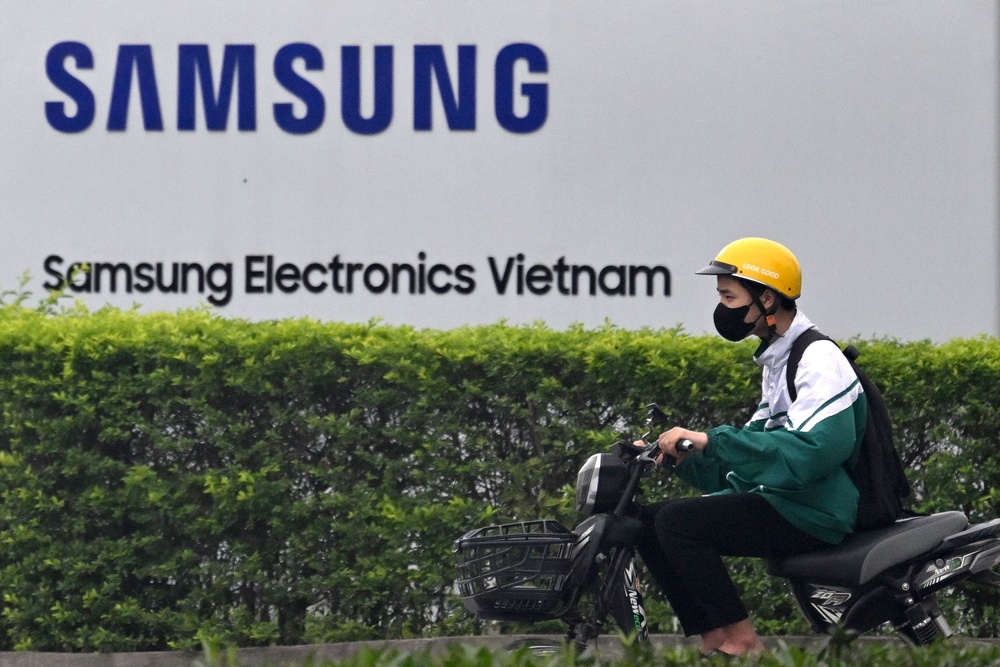
The accusation is particularly ominous for Vietnam's electronics industry, which uses large volumes of Chinese-made components to assemble computers, tablets and video game consoles. Samsung and Tesla were among companies that urged the US not to increase tariffs on Vietnam over intellectual property, arguing that would hurt supply chains.
Vietnam pledged to tackle issues raised in US trade investigations in a resolution published just hours before the US unveiled the new tariffs.
It said it would review reliance on imported inputs, develop domestic supply sources, and create a database to monitor manufacturers' supply chains.
The government also pledged to establish an early warning mechanism to manage trade surpluses.
Kim Jong Un ramps up nuke programme after ignoring Trump’s offer to meet
Damning report exposes North Korea’s persecution of Christians
China hails ‘complete success’ in historic space launch carrying Pakistani astronaut
Huawei guilty in US of stealing trade secrets in landmark case
13 dead after gold mine floods in Indonesia as rescuers resume search for missing
Netflix to release star-studded Pakistani show – but Indian viewers may miss out