
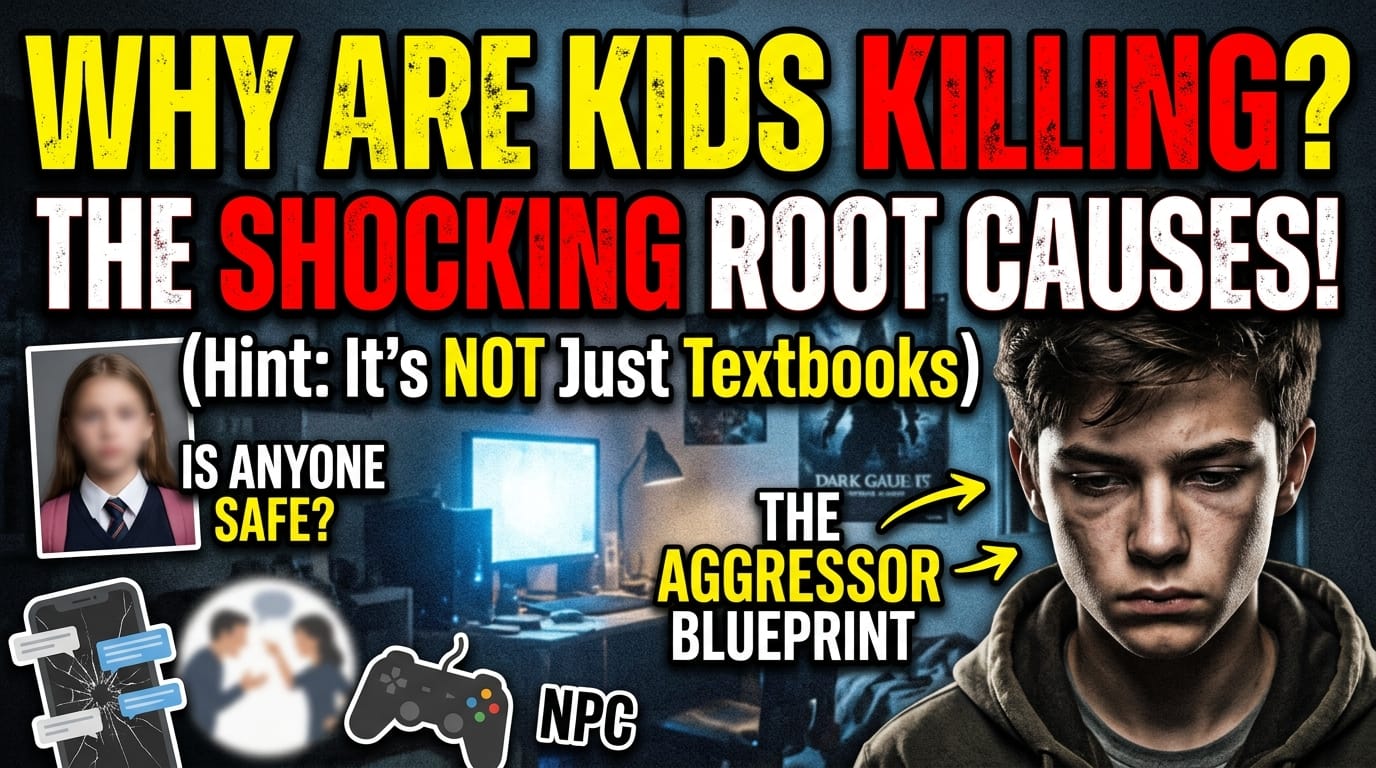
Over the past two years, numerous infamous cases of teenage violence that ultimately led to murder has plagued the nation we live in. School syllabus emphasises moral values and teachers are all teaching moral etiquette, so what exactly is the root cause?
We all know about the sad passing of Zara Qairina, a student from Sipitang, Sabah that allegedly was pushed to her death due to bullying. This sparked a nationwide protest with the hashtag #JusticeForZara, with many calling out the current Minister of Education, Puan Fadhila Sidek for not taking the necessary steps to bring the case alight and give justice for the deceased.
Merely one year later, a teenage boy aged 14, violently murdered 16 year old Yap Shing Suen in the toilet. Primary evidence showed that the boy had a schizophrenic disorder, and viewed the victim as a Non-Playable Character (NPC), thinking she would not die even after he killed her.
In spite of dangerous capabilities like this, it is not a stretch to wonder why does violence amongst students still occur, even with the necessary moral and Islamic education taught in school? Perhaps the textbook knowledge of what it means to be someone wise who doesn't cause these kind of situations is not enough to tackle the many different kinds of behavior we see in people all over the country.
What I mean is that, maybe families, societies, social media, and even a daily routine could effect a person's moral stance better than a textbook does.
In the sense of families, the foundational bedrock of a child’s emotional and psychological development is where the limitations of textbook morality become most apparent. While a classroom can teach the definitionof empathy, it is within the home that a child learns how to feel and practise it. When teenage violence erupts, the root causes within the family structure often boil down to three critical areas:
- The Blueprint of Aggression: Children do not just learn from what they are told; they internalise what they observe. In homes where domestic conflict, physical punishment, or emotional abuse are normalised, teenagers learn that violence or dominance is a legitimate tool for conflict resolution. A textbook lesson on kindness cannot easily override years of witnessing aggression as a coping mechanism.
- The Modern Disconnection: In today’s fast-paced economic climate, many parents are stretched thin, leading to a deficit in active supervision and emotional engagement. When parents are physically or emotionally absent, early warning signs of severe distress—such as the onset of mental health struggles, severe isolation, or radical changes in behaviour—go unnoticed. Without a safe familial anchor, teenagers often look outward, turning to toxic peer groups or extreme online subcultures to fill the void.
- The Taboo of Mental Health: Despite rising awareness, many families still view psychological struggles through a lens of denial, shame, or spiritual deficit. When a teenager exhibits signs of severe psychological disorders, such as schizophrenia or severe detachment from reality, families sometimes delay seeking professional clinical intervention, opting instead to hide the issue or rely solely on moral policing.
Moreover, research has also shown that current day video-games induces violent thinking in young adolescents. A 2019 research done on the contagious effect of video-game violence to real life adolescence shows the correlation between increased time playing violent video games and increased aggression. This is also true when the affected person is not the one playing, for instance, the study studied friends of people who played violent games and it showed that the people who didn't play but were affiliated with the player also had aggression tendencies.
With the increased number of fatalities in school environments, it acts as a callout for all aprties involved to exercise top precaution and maintain strict regulatory systems when it comes for student safety. For instance, classes in the USA have been mandated to undergo regular drills just in case of student shootings. As for Malaysia, funds have been provided to install CCTV in schools, and even an Anti Bullying Act has been passed in 2026. However, these are all ways to solve the issue when it has already happened, not before it happens.
Ultimately, moral education in schools functions merely as theory. Without a supportive, observant, and emotionally stable family environment to translate that theory into practice, the lessons taught by teachers remain confined to the pages of a notebook, leaving vulnerable youths unequipped to navigate the complex realities of their own minds and society.
Jaden W (wmjaden3@gmail.com) is a content creator under the Newswav Creator programme, where you get to express yourself, be a citizen journalist, and at the same time monetize your content & reach millions of users on Newswav. Log in to creator.newswav.com and become a Newswav Creator now!
The User Content (as defined on Newswav Terms of Use) above including the views expressed and media (pictures, videos, citations etc) were submitted & posted by the author. Newswav is solely an aggregation platform that hosts the User Content. If you have any questions about the content, copyright or other issues of the work, please contact creator@newswav.com.