By a community pharmacist
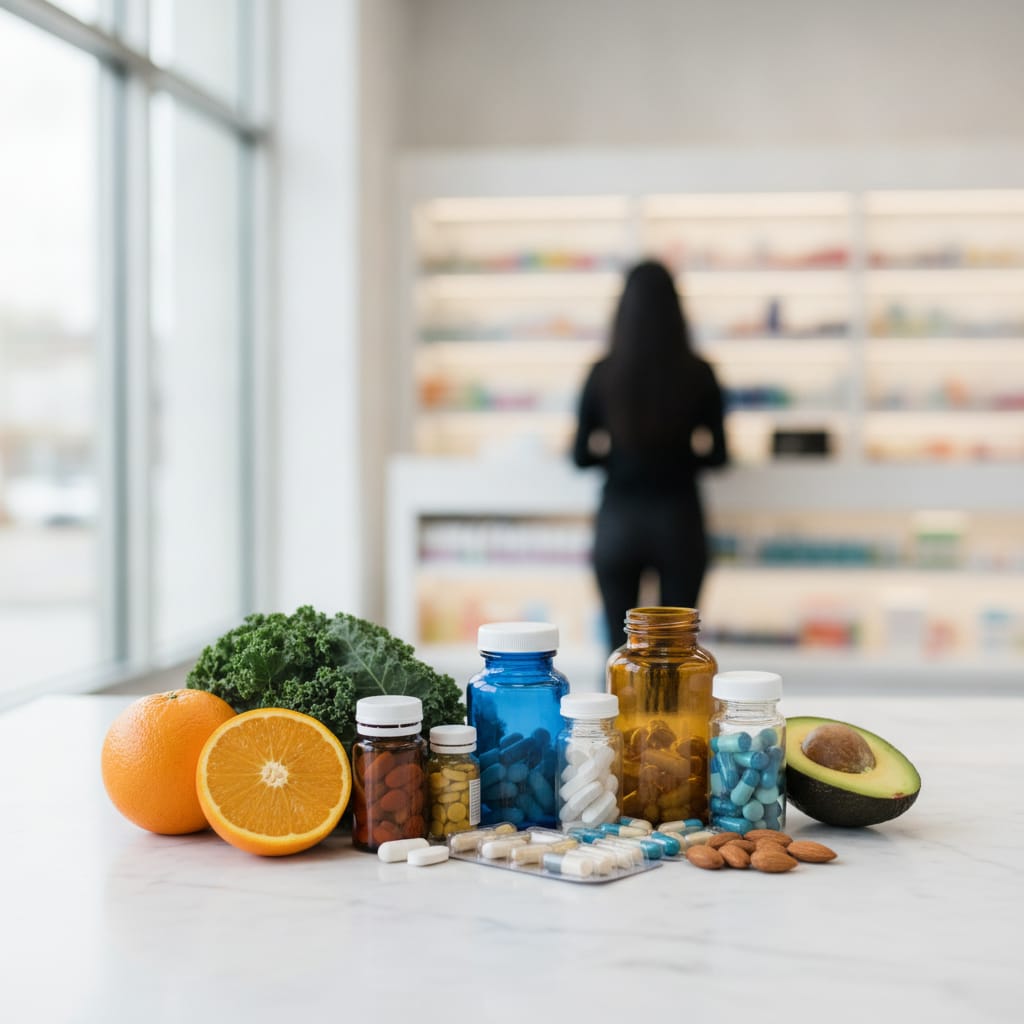
Walk into any pharmacy and you will find shelves filled with vitamins. There are tablets for energy, capsules for immunity, supplements for healthy skin and products promising stronger bones and better sleep.
But how many of us actually know which vitamins our bodies need, what they do and what happens when we do not get enough?
I often think this is where a little straightforward health education can make a real difference. Vitamins are essential, but buying more does not automatically make us healthier. The important question is whether we are getting enough of the right nutrients in the first place.
In this first Health Matters article, let us look at vitamins A, C, D, E and K. We will explore the B vitamins separately because they deserve a closer look at their role in energy production, healthy blood and the nervous system.
Vitamin A: More than just good eyesight
Vitamin A is important for normal vision, healthy skin, the immune system and the maintenance of tissues lining the eyes and other parts of the body.
Good sources include eggs, dairy products and oily fish. The body can also convert beta-carotene, found in carrots, sweet potatoes, spinach and other colourful vegetables, into vitamin A.
A serious deficiency can cause difficulty seeing in dim light, commonly called night blindness. More severe deficiency can damage the surface of the eye and, if left untreated, threaten sight. Deficiency is uncommon in people eating a varied diet in the UK, but it remains an important nutritional problem in some parts of the world.
The NHS explains the functions, food sources and risks of vitamin A in its guide to vitamins and minerals.
A word of caution from your pharmacist: vitamin A is one of the vitamins that can accumulate in the body. Taking high doses over time can be harmful, particularly during pregnancy, when excess preformed vitamin A can damage an unborn baby. Pregnant women should avoid supplements containing vitamin A as retinol and should not eat liver or liver products.
A supplement is not automatically safer simply because it is sold over the counter.
Vitamin C: Wound healing and healthy gums
Vitamin C is probably one of the best-known vitamins, often associated with oranges, lemons and the common cold.
Its role goes much further. Vitamin C helps the body produce collagen, a protein needed for healthy skin, blood vessels, cartilage and wound healing. It also supports normal immune function and helps the body absorb iron from plant-based foods.
Sources include citrus fruits, guava, papaya, berries, peppers, broccoli and tomatoes. Guava and several other tropical fruits are particularly useful sources for Malaysian families.
A prolonged, severe deficiency causes scurvy. Symptoms can include bleeding gums, easy bruising, joint pain, poor wound healing and extreme tiredness.
Fortunately, scurvy is uncommon when people eat enough fruit and vegetables. Someone who eats very little fresh produce, follows a severely restricted diet or has problems absorbing nutrients may be at greater risk.
The NHS provides further information on vitamin C, its sources and deficiency.
Do we need high-dose vitamin C tablets every day to prevent colds? Not necessarily. For most people, a balanced diet provides sufficient vitamin C. Supplements do not guarantee protection against infections, and large doses can cause diarrhoea and abdominal discomfort.
Vitamin D: Important for bones and muscles
Vitamin D deserves particular attention because low levels are common in some groups, including people who spend most of their time indoors, cover most of their skin outdoors or have darker skin.
Its main job is to help the body absorb calcium and maintain healthy bones and teeth. It also contributes to normal muscle function.
Our bodies produce vitamin D when skin is exposed to sunlight. Small amounts are found in foods such as oily fish, egg yolks and fortified products.
In children, severe deficiency can cause rickets, which affects bone development. In adults, it can cause osteomalacia, leading to bone pain and muscle weakness.
The NHS vitamin D guidance recommends that adults and children over four consider taking 10 micrograms (400 IU) daily during autumn and winter in the UK. People with little sunlight exposure or other risk factors may need supplementation throughout the year.
Malaysia has a different climate, but living in a sunny country does not guarantee adequate vitamin D. Indoor lifestyles, clothing, skin pigmentation and other factors can affect how much the body produces.
One important point: more is not better. Excessive vitamin D supplementation can raise calcium levels in the blood and damage the kidneys. Adults should not routinely take more than 100 micrograms (4,000 IU) daily unless medically advised.
Vitamin E: Protecting cells
Vitamin E acts as an antioxidant, helping protect cells from damage. It also contributes to normal immune function.
It is found in vegetable oils, nuts, seeds and some green vegetables. Most people eating a varied diet obtain enough.
Vitamin E deficiency is uncommon in otherwise healthy people, but it can occur when the body has difficulty absorbing fat, as some digestive conditions can interfere with the absorption of fat-soluble vitamins.
Severe deficiency may cause nerve and muscle problems, including weakness and difficulties with coordination.
The NHS explains more in its vitamin E guidance.
From a pharmacy perspective, there is another issue worth mentioning. High-dose vitamin E supplements can increase bleeding risk, particularly when taken alongside medicines that affect blood clotting. Anyone taking anticoagulants or antiplatelet medicines should check with a pharmacist or doctor before using high-dose products.
Vitamin K: Essential for blood clotting
Vitamin K is needed to produce proteins involved in normal blood clotting. It also plays a role in maintaining healthy bones.
Green leafy vegetables such as spinach, kale and broccoli are useful sources. Other sources include vegetable oils and certain fermented foods.
A serious deficiency can cause excessive bleeding or bruising. It is uncommon in healthy adults who eat a varied diet, although certain medical conditions and medicines can increase the risk.
The NHS provides further details in its vitamin K guidance.
A particularly important medicine interaction: people taking warfarin need to keep their vitamin K intake reasonably consistent. They should not suddenly make major changes to their diet or start vitamin K supplements without discussing it with their anticoagulation team or pharmacist.
This does not mean avoiding green vegetables. It means maintaining a consistent intake so that warfarin treatment can be managed safely.
Can you tell from your symptoms which vitamin is missing?
Not reliably.
Tiredness, weakness, poor concentration, hair changes and muscle discomfort can have many causes. They may occasionally be associated with nutritional deficiencies, but they can also occur with anaemia, thyroid problems, sleep difficulties and other medical conditions.
Taking a multivitamin without investigating persistent symptoms can delay the correct diagnosis.
If you suspect a deficiency, a GP can assess your symptoms, diet, medical history and medicines, and arrange blood tests when appropriate.
The message from your community pharmacist
Vitamins are essential, but they work as part of a wider nutritional picture. No single tablet can replace a balanced diet, and taking large amounts of a vitamin you do not need may cause harm.
For most people, the best starting point is a varied diet containing fruit, vegetables, wholegrains, protein sources and appropriate amounts of healthy fats. Supplements have an important place when there is a recognised deficiency, a specific dietary need or a recommendation for a particular group.
My advice is simple: before spending money on another bottle of vitamins, ask yourself what you are taking it for, whether you are likely to need it and whether it is suitable alongside your existing medicines.
In the next Health Matters article, we will look at the B vitamins — including B12 and folate — and explain why a deficiency can affect energy, blood cells and even the nervous system.
Until next time, take care of your health.
Health Matters — practical health advice from a community pharmacist.
Health Matters (zaynp100@yahoo.com) is a content creator under the Newswav Creator programme, where you get to express yourself, be a citizen journalist, and at the same time monetize your content & reach millions of users on Newswav. Log in to creator.newswav.com and become a Newswav Creator now!
The User Content (as defined on Newswav Terms of Use) above including the views expressed and media (pictures, videos, citations etc) were submitted & posted by the author. Newswav is solely an aggregation platform that hosts the User Content. If you have any questions about the content, copyright or other issues of the work, please contact creator@newswav.com.