
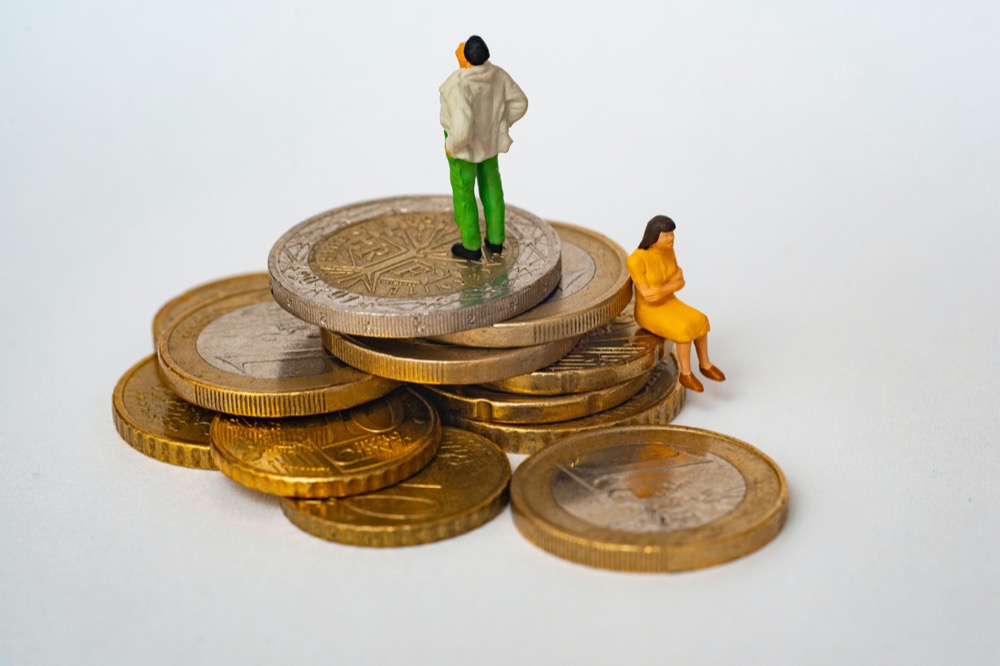
Americans are feeling the pinch as wages fail to keep pace with rising prices, according to the latest economic data and public opinion surveys. For the first time since 2023, inflation has outpaced wage growth, leaving millions of households struggling to maintain their standard of living.
Real Wages Lag Behind Inflation
Recent figures reveal that in April 2026, inflation increased at an annual rate of 3.8%, while average wages grew by just 3.6%. This marks a troubling gap between earnings and the cost of living, particularly as essential expenses such as gasoline and groceries rise sharply.
A CBS News poll conducted from May 13 to 15 shows that 76% of Americans are concerned about their personal finances, while 64% describe the economy as “very bad” or “fairly bad.” Workers report feeling the pressure of costs climbing faster than their paychecks, creating a tangible sense of financial strain across the country.
Energy Prices Drive Inflation
Rising fuel costs are a major contributor to the April inflation spike, accounting for 40% of the increase. Gasoline prices jumped more than 28% compared to the previous year, directly impacting household budgets and commuting costs. Higher fuel costs also ripple through the economy, increasing the price of goods and services as companies pass on expenses to consumers.
Economists also point to steeperU.S. tariffs on imported goods as another factor pushing inflation higher. Together with energy costs, these pressures are creating a more difficult environment for households and employers alike.
Economic Uncertainty and Consumer Spending
The ongoing conflict in Iran adds another layer of uncertainty. Former Federal Reserve Chair Jerome Powell noted that higher energy costs will continue to push up inflation in the near term, but the broader economic consequences remain unclear. “The scope and duration of potential effects on the economy remain uncertain, as does the future course of the conflict itself,” Powell said.
Despite rising costs, consumer spending has remained relatively resilient so far, forming roughly two-thirds of overall economic activity. However, analysts warn that if inflation continues to erode purchasing power, Americans may begin reducing discretionary spending, which could slow economic growth.
Gbenga Ajilore, chief economist at the Center on Budget and Policy Priorities, emphasized the risk for the broader economy: “At some point, a majority of consumers — not just low-income ones — are going to pull back their spending, and that is going to lead to lower economic growth.”
What This Means for Workers
For U.S. workers, the mismatch between wage growth and inflation means shrinking real incomes and reduced buying power. Many households are forced to make difficult decisions on everyday expenses, from fuel and groceries to healthcare and housing.
The gap between earnings and rising costs highlights the ongoing economic challenges facing Americans. Without corrective measures or stabilization in energy prices, millions of workers may continue to struggle to maintain their financial footing throughout 2026.
Enjoyed this article? Subscribe to our free Newsletter for engaging stories, exclusive content, and the latest news.
