A doctor has claimed that a fruit commonly eaten by millions of people around the world could actually be bad for your health.
Dr Daniel Pompa, a cellular health specialist from Utah with around 1.9 million followers on Instagram, regularly shares health-related advice and tips with his audience.
However, one of his recent videos has attracted attention after he made some striking claims about a fruit that many people consider a healthy everyday snack.
We are constantly encouraged to eat more fruits and vegetables as part of a balanced diet. After all, there is a reason why sayings such as “an apple a day keeps the doctor away” have remained popular for generations.
But according to Dr Pompa, another commonly consumed fruit may not deserve its healthy reputation.
Of course, there are plenty of fruits around the world that may look delicious but are actually poisonous or harmful to humans. However, the fruit Dr Pompa was referring to is not some exotic or toxic species.
It is the humble banana.
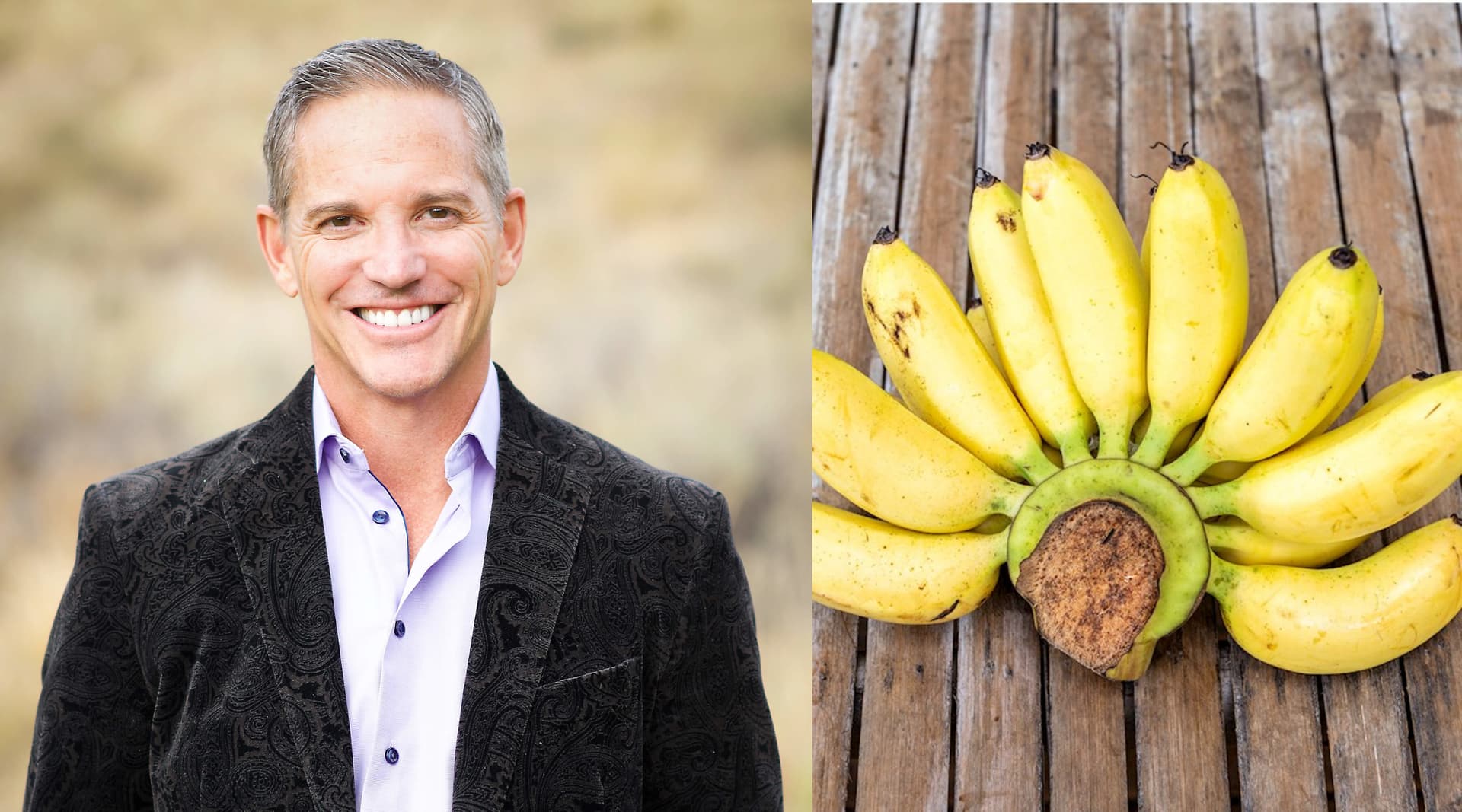
For many of us, bananas are a convenient and affordable snack. They can be eaten on their own, packed into a lunchbox, blended into smoothies, or sliced over Greek yoghurt.
Yet Dr Pompa has some very strong opinions about them.
“I believe this is the most dangerous fruit we can eat,” he said at the beginning of the video.
He went even further, claiming in 0:04 to 0:10 of the video: “Actually, I think it’s not even healthy, yet parents are giving it to [their] children. It’s even found in healthy smoothies.”
You might assume that his criticism is related to the banana's sugar content. However, according to Dr Pompa, that is not the main reason why he believes bananas could be harmful.
Instead, his concerns are largely related to the way bananas are commercially produced.
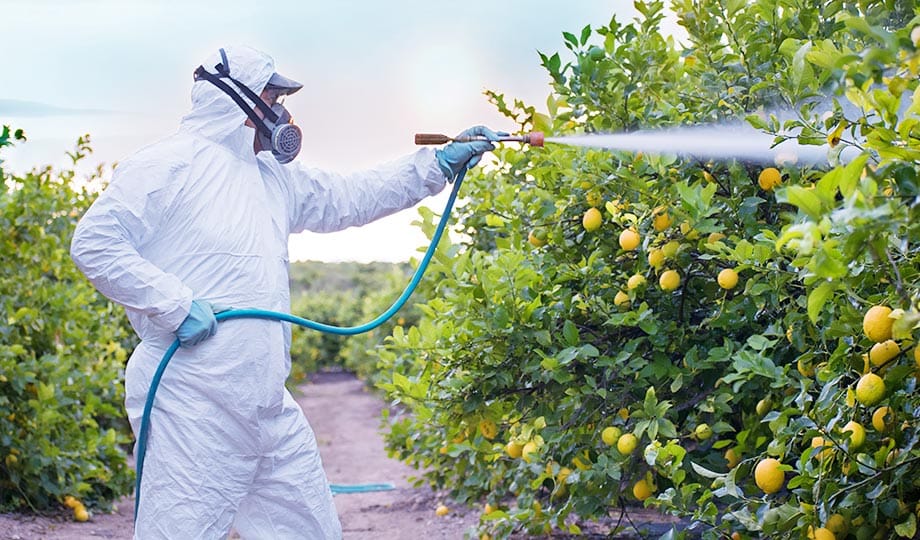
Dr Pompa claimed that bananas are “loaded with fungicide”, referring to chemicals used during agricultural production to protect crops from fungal diseases.
He also raised concerns about ethylene, saying in 0:15: “They spray it like crazy with a fungicide [and] something called ethylene, which they do to actually start the ripening process, which all end up in the banana, in us.”
Dr Pompa also raised concerns about a carbohydrate called amylose.
He claimed in 0:27 of the video: “If you have aches, pains, inflammation, arthritis, it can make it worse because of the sugar called amylose.”
Referring to mould specialist Dr Ritchie Shoemaker, he added: “The mould expert used to tell people, ‘Do not ever eat bananas if you have mould toxicity’ because of the amylose. It makes it worse and makes you feel worse, not healthy.” For more information, you can refer to Dr Ritchie Shoemaker’s 12-Step Shoemaker Protocol. In the protocol, Dr Shoemaker recommends a low-amylose diet for certain people with mould-related illness, particularly those with elevated levels of MMP-9.
This approach involves reducing the intake of amylose, a type of carbohydrate commonly found in starchy foods such as potatoes, grains, yams and of course, green bananas.
Everyone is entitled to their opinions, and I strongly believe in freedom of speech. However, when health claims are made publicly, it is also important to examine whether those claims are supported by scientific evidence.
Here is my counterargument.
1. Bananas are packed with nutrients
Bananas have long been recognised as a nutritious and convenient food.
They are a good source of potassium, vitamin B6 and dietary fibre, making them a popular snack for people of all ages. They are also commonly eaten before or after exercise because they provide a convenient source of carbohydrates.
Unripe bananas also contain resistant starch, which can support gut health by acting as food for beneficial bacteria in the digestive system.
Dr Pompa’s concerns about amylose causing inflammation, aches, pain or worsening arthritis are not widely supported by mainstream nutrition science.
Of course, some individuals with specific medical conditions or dietary sensitivities may need to avoid or limit certain foods.
However, for the vast majority of Malaysians and healthy individuals, bananas remain a safe, nutritious and healthy food that can form part of a balanced diet.

2. Ethylene is a natural plant hormone
One of Dr Pompa's major concerns involves the use of ethylene during the banana ripening process.
However, ethylene is actually a naturally occurring plant hormone with the chemical formula C₂H₄.
In fact, bananas and many other fruits naturally produce ethylene themselves as part of the ripening process.
Commercial producers may increase the concentration of ethylene in ripening chambers to ensure that bananas ripen consistently and at the appropriate time.
This does not mean that ethylene is being injected into the fruit or that it remains inside the banana as a harmful chemical residue.
Ethylene is naturally produced by plants, breaks down quickly in the environment, and does not accumulate in the human body.
The fact that a substance has a complicated scientific name or is used during commercial food production does not automatically make it dangerous.
When discussing food safety, it is important to distinguish between genuine scientific risks and claims that may sound alarming but lack sufficient scientific evidence.
In the case of bananas, calling them the “most dangerous fruit we can eat” may certainly grab attention but based on mainstream nutritional science, that claim appears to be far more controversial than the humble banana itself.
Aaron Colt (aaronafter@hotmail.com) is a content creator under the Newswav Creator programme, where you get to express yourself, be a citizen journalist, and at the same time monetize your content & reach millions of users on Newswav. Log in to creator.newswav.com and become a Newswav Creator now!
The User Content (as defined on Newswav Terms of Use) above including the views expressed and media (pictures, videos, citations etc) were submitted & posted by the author. Newswav is solely an aggregation platform that hosts the User Content. If you have any questions about the content, copyright or other issues of the work, please contact creator@newswav.com.