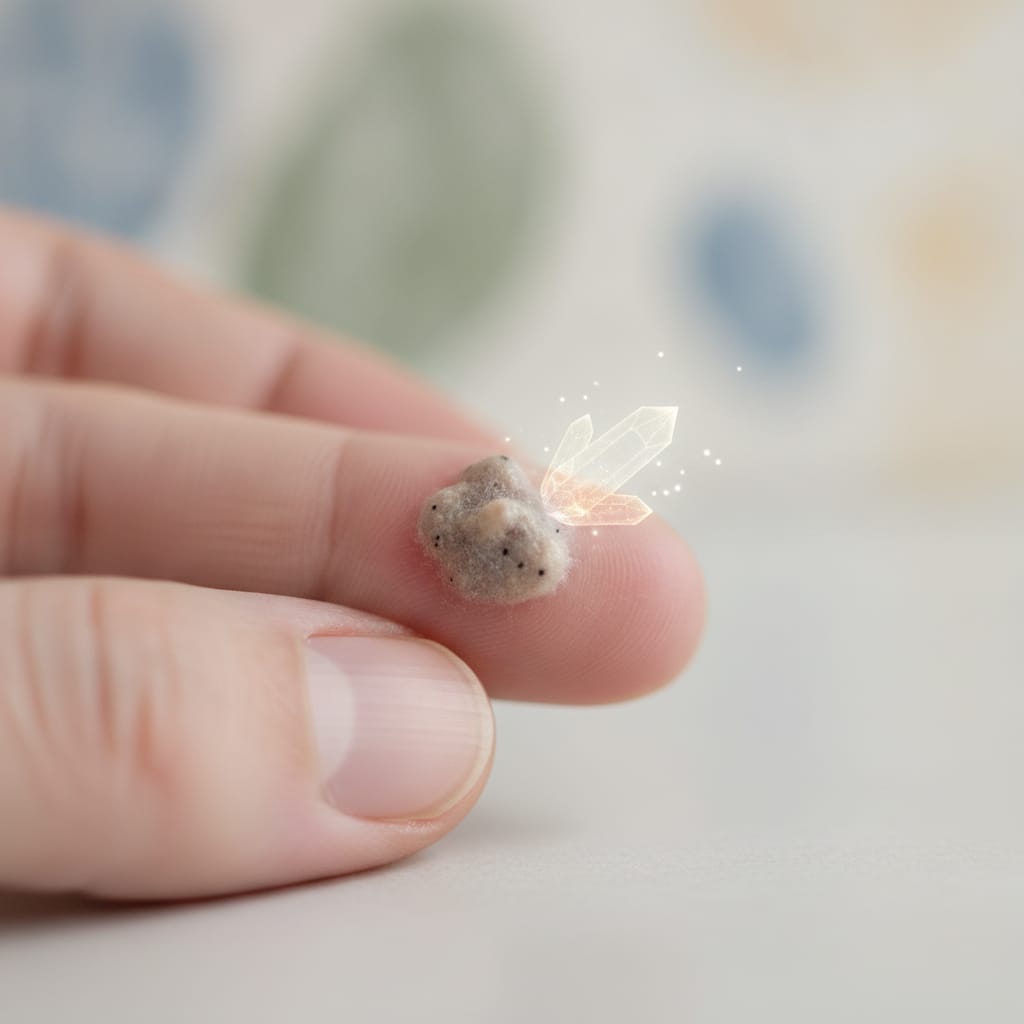
A small, rough lump on a finger, a hard patch on the sole of the foot or a tiny growth around a nail may not seem worth worrying about. Yet warts can be surprisingly persistent. Some disappear without treatment, while others remain for months or even years, despite repeated attempts to get rid of them.
Warts are common, particularly in children and teenagers, but adults can develop them too. They are usually harmless, although they can become uncomfortable, spread to other areas of skin and cause embarrassment.
The good news is that most ordinary warts do not need urgent medical treatment. The important thing is knowing what you are dealing with, which treatments are worth trying and when a skin growth should be checked rather than treated at home.
What exactly is a wart?
Warts are small growths caused by certain types of human papillomavirus, commonly known as HPV. This is a large family of viruses, and the types responsible for ordinary skin warts are different from those most commonly associated with genital warts and cervical cancer.
The virus enters the skin through tiny breaks or damaged areas and encourages the outer layer of skin to thicken. Warts can develop anywhere, but the hands, fingers, knees and feet are particularly common sites.
They may have a rough, grainy surface, and some contain tiny dark dots. These dots are small blood vessels, not dirt or the roots of the wart.
Warts are contagious, but transmission usually requires direct skin contact or contact with contaminated surfaces. Picking, biting or scratching a wart can help spread the virus to nearby skin. Sharing nail clippers or other personal items that touch the affected area may also contribute.
According to the NHS guide to warts and verrucas, warts are common and often clear without treatment, although this can take a long time.
Is it a wart or something else?
Not every hard or raised patch of skin is a wart, and this is where a little caution is worthwhile.
A verruca is simply a wart on the sole of the foot. Because body weight presses it into the skin, it may grow inward and feel as though you are walking on a small stone. It can be painful when standing or walking.
A corn or callus, by contrast, develops mainly because of repeated pressure or friction. Corns often have a hard central core, while calluses tend to form broader areas of thickened skin.
A wart may interrupt the normal skin lines and show tiny dark dots, whereas the skin lines often continue across a callus. However, these clues are not completely reliable, and it can be difficult to tell the difference without an examination.
This matters because wart treatments commonly contain salicylic acid, which removes layers of skin. Applying these products to the wrong lesion can cause irritation or damage healthy skin.
If you are unsure what a growth is, ask a pharmacist or healthcare professional before starting treatment.
Why do some warts refuse to go away?
The immune system can recognise and clear the virus, but it does not always do so quickly. Some warts disappear within months, while others persist for several years. Children often clear them naturally, although there is no guarantee.
Treatment can help, but no single method works for everyone. The location, size, thickness and number of warts all influence the response.
There is also an important distinction between removing the visible thickened skin and eliminating the virus. A wart may appear to have disappeared and then return, or new warts may develop nearby.
For that reason, repeatedly attacking a wart with stronger products is not necessarily the best approach.
What can you buy from a pharmacy?
For a typical wart or verruca, salicylic acid preparations are a common first option. They gradually soften and remove the thickened outer skin. Depending on the product, treatment may involve a liquid, gel, ointment or medicated plaster.
The key is consistency. Treatment often needs to be applied regularly for several weeks, following the product instructions carefully. Results are gradual rather than immediate.
Before applying a product, soaking the affected area briefly in warm water may help soften the skin. Some instructions recommend gently removing loosened dead skin with a disposable file, but do not cut the wart, make it bleed or use the same file on healthy skin. Wash your hands afterwards.
Keep the treatment away from surrounding healthy skin, eyes and other sensitive areas. Stop and seek advice if there is severe irritation, significant pain or damage to the skin.
Salicylic acid is not suitable for everyone. People with diabetes, poor circulation, reduced sensation in their feet or weakened immunity should seek professional advice before treating a wart themselves. The same applies when treating a young child, or when the growth is on the face or around the genitals.
Some pharmacies and clinics offer cryotherapy, which freezes the wart. This can cause discomfort, blistering and temporary changes in skin colour, and more than one treatment may be required. It is not guaranteed to work better than simpler treatments for every wart.
The British Association of Dermatologists provides further patient information about viral warts and available treatments.
Should you leave a wart alone?
Sometimes, yes. If a wart is not painful or troublesome, waiting for it to disappear naturally is a reasonable option, particularly for children.
There are simple steps that can reduce the chance of spreading it:
- Avoid picking, biting or scratching the wart.
- Do not bite nails or cuticles when warts are present around the fingers.
- Wash your hands after touching or treating the affected area.
- Do not share towels, nail files or other items used on the wart.
- Cover a verruca when swimming, and wear footwear in communal changing areas.
These measures can reduce opportunities for transmission, although they cannot prevent every new wart.
When should you get it checked?
Most typical warts are harmless, but a growth should not automatically be assumed to be a wart just because it is small or rough.
Seek medical advice if it bleeds repeatedly, changes in appearance, grows rapidly, becomes persistently painful or develops an unusual colour. A lesion on the face or genitals should also be assessed rather than treated with an ordinary wart-removal product.
You should seek advice if you have many warts, a weakened immune system, or a wart that keeps returning despite appropriate treatment. If a growth on the foot is making walking difficult, do not simply continue applying acid-based products in the hope that it will eventually disappear.
A final word from the pharmacy
Warts can be frustrating, especially when they seem to survive every treatment. But persistence does not automatically mean that something serious is wrong, and stronger treatment is not always the answer.
For many people, a little patience or a carefully chosen pharmacy treatment is enough. The most important step is to make sure the growth really is a wart before treating it, particularly if you have a condition that affects circulation or sensation.
A small skin problem may be common, but it still deserves the right advice.
Until next time, look after yourself.
This article is for general health information and is not intended to replace individual medical advice.
Health Matters (zaynp100@yahoo.com) is a content creator under the Newswav Creator programme, where you get to express yourself, be a citizen journalist, and at the same time monetize your content & reach millions of users on Newswav. Log in to creator.newswav.com and become a Newswav Creator now!
The User Content (as defined on Newswav Terms of Use) above including the views expressed and media (pictures, videos, citations etc) were submitted & posted by the author. Newswav is solely an aggregation platform that hosts the User Content. If you have any questions about the content, copyright or other issues of the work, please contact creator@newswav.com.