
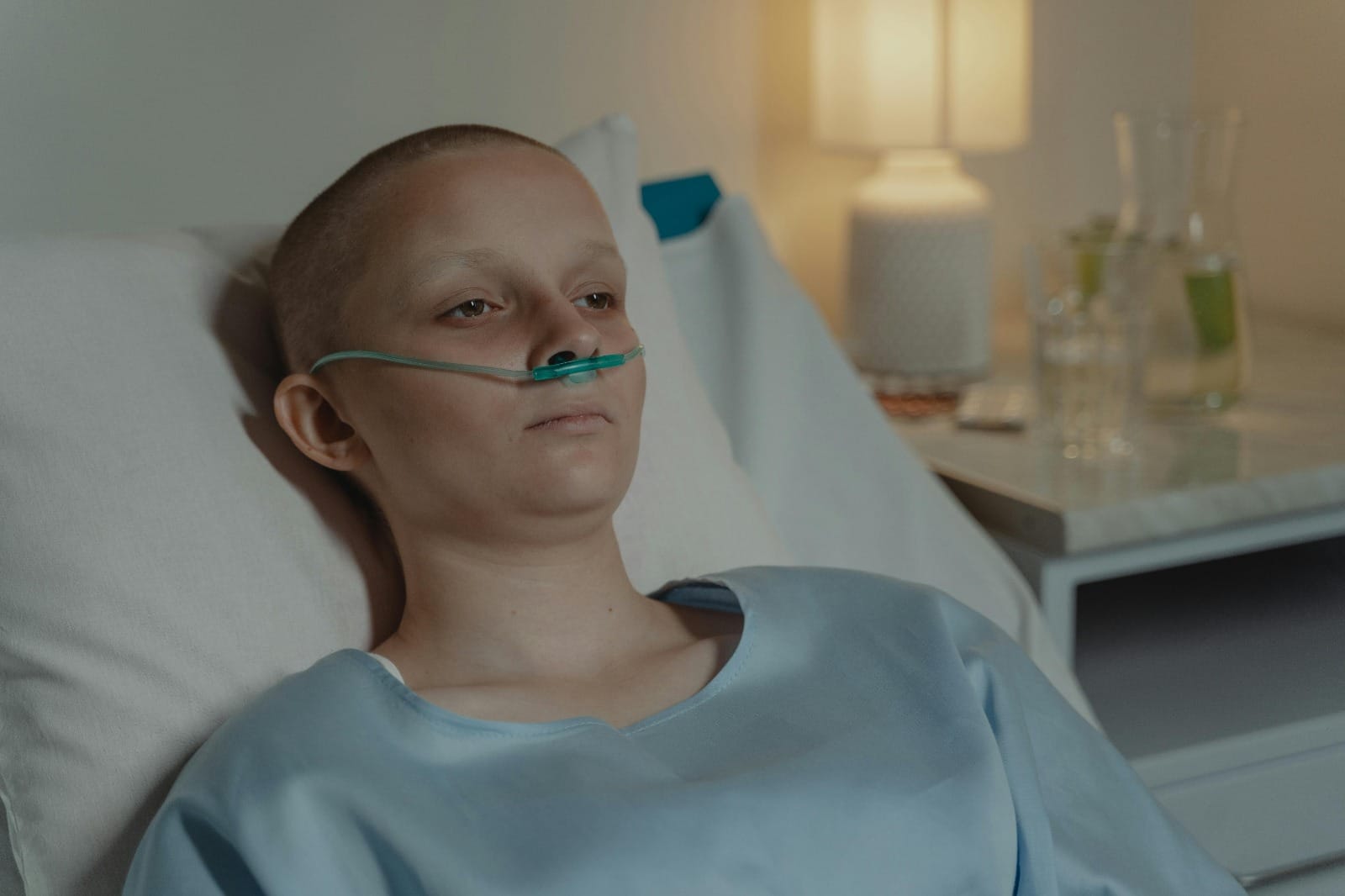
Main author: Dr Khaizurin Tajul Arifin, Department of Biochemistry, Faculty of Medicine, UKM, committee of Malaysian Sepsis Alliance (MySepsis).
Co-author: Professor Dr Tan Toh Leong, Consultant Emergency Physician, Faculty of Medicine, UKM; Founder and President of Malaysian Sepsis Alliance (MySepsis)
How Our Blood Works
Our blood contains different components, which include various types of cells, nutrients, proteins and hormones. A crucial type of cell in the blood is the red blood cell, termed the erythrocyte, whose main function is to transport oxygen and carbon dioxide throughout the body. This unique transporting ability is due to a molecule called haemoglobin, located inside the erythrocytes (Molecule of the Month: Hemoglobin). There are more than 200 million haemoglobin molecules in one erythrocyte to carry out its functions (Bionumbers). Hence, defects in the haemoglobin are undesirable.
There are many disorders affecting haemoglobin among which thalassemia is one of the most common in Malaysia. Thalassemia is a group of hereditary disorders that is caused by defective haemoglobin. In 2023, more than 10,000 cases of thalassemia were reported in Malaysia, in which more than 1,000 deaths were reported (Annual Report of the Malaysia Thalassaemia Registry).
If haemoglobin is just a tiny microscopic molecule, how can its defect lead to a lifelong disease? To answer the question, we need to understand the structure of a haemoglobin. Haemoglobin is a protein made of amino acids, which are a protein’s building blocks. These amino acids are joined together in a chain, called a polypeptide. One molecule of haemoglobin is composed of four polypeptide chains, each called a globin chain. One haemoglobin molecule consists of two α-globin and two β-globin chains. Imagine haemoglobin as a four-seat carrier composed of two α- and two β- seats. Oxygen can only be efficiently transported when all seats are present and correctly arranged. Although the globins exist individually, transporting gases efficiently requires them to interact with one another (Molecule of the Month: Hemoglobin).
The Root Cause
Thalassaemia results from gene mutations. Several types of gene mutations lead to a reduced number or faulty globin production. There are various categories of thalassaemia, with the most common in Malaysia being α- and β-thalassaemia (Annual Report of the Malaysia Thalassaemia Registry). α-Thalassaemia refers to the underproduction of the α-globin chains, and vice versa.
In α-thalassaemia patients, the underproduction, or in some cases absence of α-globin chains leads to an imbalance in globin chain production. The erythrocyte ends up with four β-globin chains instead, which disrupts the transportation of gases. This impairment leads to symptoms such as shortness of breath. These defects compromise the integrity of erythrocytes, making the cells smaller, weaker, and short-lived. The rapid destruction of abnormal erythrocytes, together with insufficient effective production, causes anaemia, resulting in the patient looking pale and feeling fatigued. In severe cases such as β-thalassaemia major, the body attempts compensate by increasing erythrocyte production, placing excessive stress on the bone marrow, the site of erythrocyte formation, leading to other complications in the organs. Patients suffer from different symptoms and complications based on the severity, ranging from shortness of breath due to anaemia, to jaundice and depending on blood transfusion. Unsurprisingly, the cost of lifetime blood transfusion is not cheap at all, reaching at least USD 606000 (MYR 259,083).
Why Is Thalassaemia So Common in Malaysia?
Thalassaemia is inherited in such a way, termed autosomal recessive pattern. This means that a child must inherit one defective gene from each parent in order to develop the severe form of the disease. Individuals who carry only one defective gene are known as carriers. They usually appear healthy and may not even know they carry the mutation. However, when two carriers marry, there is a 25% chance with each pregnancy that their child will inherit severe thalassaemia.
In Southeast Asia, including Malaysia, carrier rates are relatively high compared to many Western countries.Because of this significant burden, the Ministry of Health Malaysia actively promotes screening programmes, especially premarital and antenatal screening. Early detection allows couples to make informed decisions. Public awareness is therefore just as important as medical treatment.
The Burden of Treatment
For patients with severe thalassaemia, regular blood transfusions are lifesaving. Transfused blood provides functional haemoglobin and temporarily relieves anaemia. However, repeated transfusions introduce a new complication: iron overload.
Each unit of transfused blood contains iron. Unlike other minerals, human bodies have no efficient natural mechanism to remove excess iron. Over time, iron accumulates in vital organs, for example the heart, the liver; all these resulting in more potential complications for the patients.
To counteract this, patients require iron chelation therapy. It is a therapy involving medications that bind excess iron and allow it to be excreted via the urine and faeces. Often, the drugs must be taken for the rest of their lives. Although they are effective, we cannot deny they add physical and emotional burden to the patient, and financial burden to the country. Treatment therefore becomes a fine balance between correcting anaemia and preventing iron toxicity.
The Hope for Tomorrow
Living with severe thalassaemia is a lifelong journey that starts with a tiny glitch in how the body makes haemoglobin. Currently, patients manage the condition through frequent blood transfusions and chelation therapy to remove excess iron. While bone marrow transplants offer a potential cure, finding a matching donor is difficult and the procedure is risky.
However, the outlook is changing. Scientists are now using gene-editing tools like CRISPR to fix the gene mutation. Early trials are showing great promise, suggesting that the illness could be cured for good. Through public awareness and screening, we can reduce the burden of this disease, with modern medicine.

Share your wellness journey and stand a chance to win prizes up to RM2,000! Find out how to join here. T&Cs apply.
陈沱良医生DrSeb (drsebchannel@gmail.com) is a content creator under the Newswav Creator programme, where you get to express yourself, be a citizen journalist, and at the same time monetize your content & reach millions of users on Newswav. Log in to creator.newswav.com and become a Newswav Creator now!
The User Content (as defined on Newswav Terms of Use) above including the views expressed and media (pictures, videos, citations etc) were submitted & posted by the author. Newswav is solely an aggregation platform that hosts the User Content. If you have any questions about the content, copyright or other issues of the work, please contact creator@newswav.com.