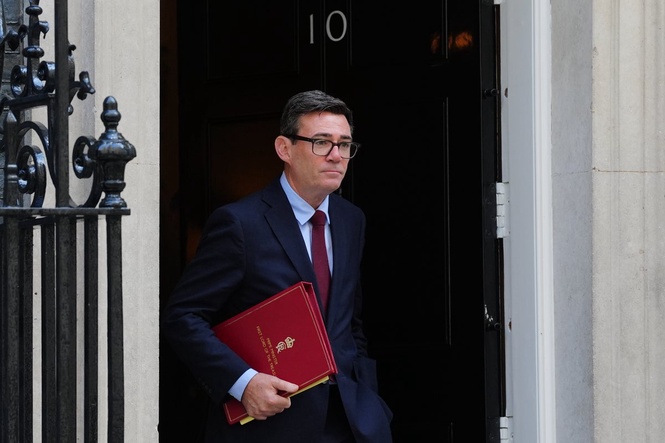
Andy Burnham has defended his Government’s ban on trade with illegal Israeli settlements in the West Bank, telling MPs that Britain “must stand for something”.
The ban, announced by Foreign Secretary Ed Miliband on Tuesday, has triggered a diplomatic row with Israel and drawn criticism from opposition figures at home.
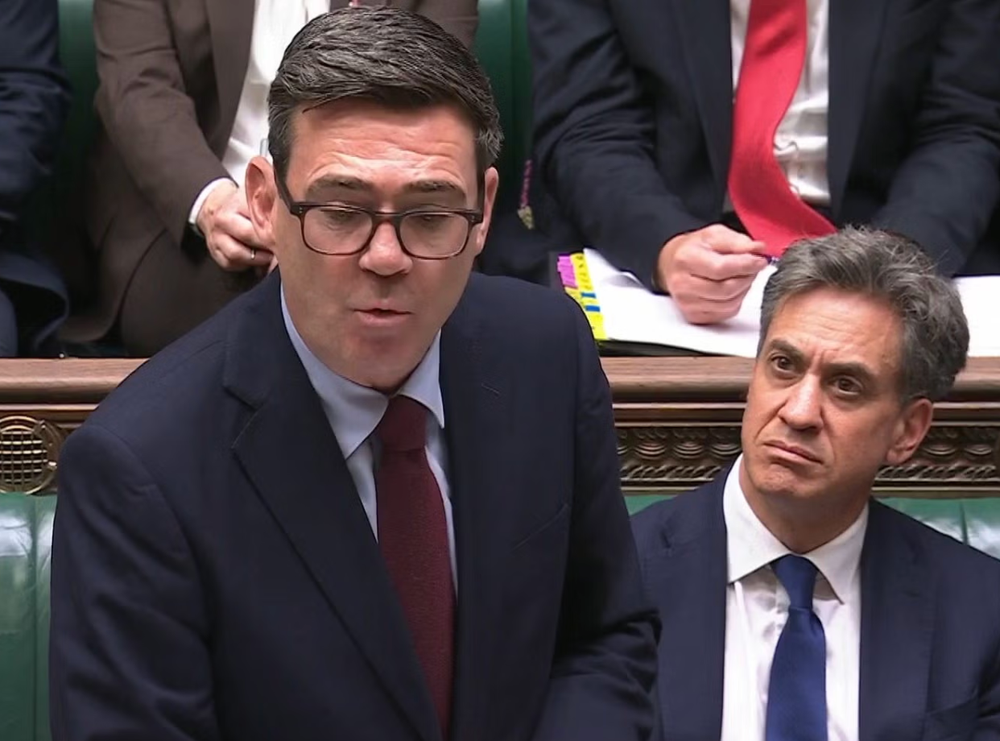
But appearing at the weekly Prime Minister’s Questions in the Commons on Wednesday, Mr Burnham said the UK was showing “leadership on the world stage”.
Criticising politicians from both main parties who had talked “for decades” about the importance of a two-state solution, the Prime Minister said their comments would remain “only words” unless they were “backed with action”.
He said: “In this difficult and dangerous world, Britain has to stand for something.
“Britain has to show leadership. Britain has to stand for fairness against injustice.
“Where people are being bullied out of their homes, intimidated, we will always stand with the underdog and take what action we can to support them.”
Announcing the ban on Tuesday, Mr Miliband said a “new approach” was necessary because plans for the E1 development in the West Bank would render a two-state solution “unviable” by “cutting through the heart of Palestine”.
He said more settlements had been approved under the four years of Mr Netanyahu’s government than in the previous 20 years and settler terrorism in the West Bank was “rampant”, accusing the Israeli government of turning a blind eye to “ethnic cleansing”.
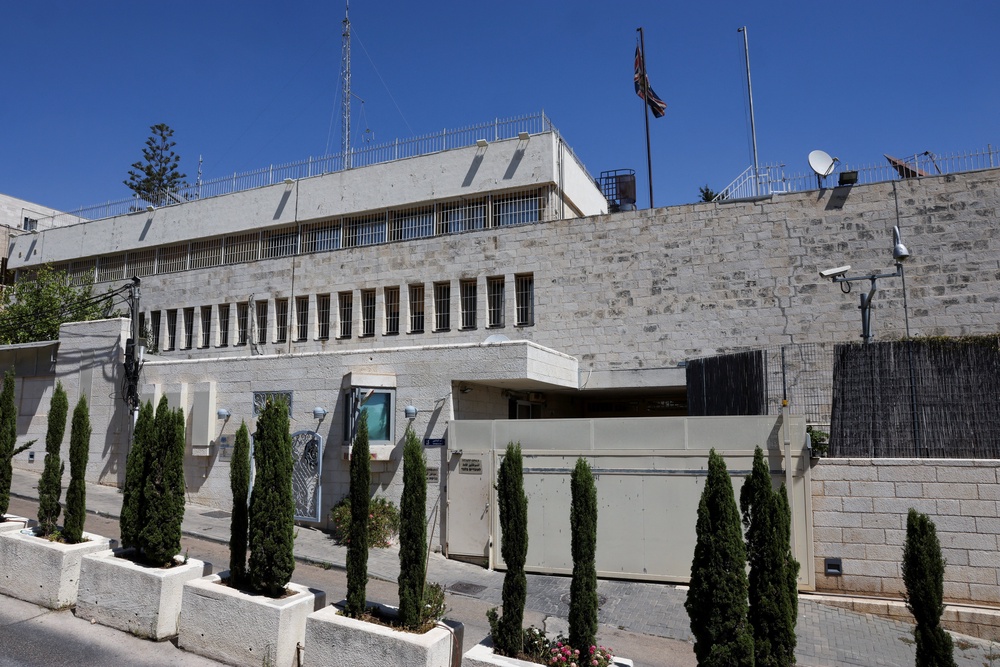
The move drew swift condemnation from Israel, whose foreign minister Gideon Saar announced the closure of the British consulate in East Jerusalem and banned 11 MPs, including former Labour leader Jeremy Corbyn, from entering the country.
Mike Huckabee, the American ambassador to Israel, described the ban as an “irrational act”.
But in a more mixed response, US secretary of state Marco Rubio declined to comment on the announcement beyond saying the US would “obviously” not follow suit, and Donald Trump has yet to comment.
Mr Miliband expressed “regret” at Israel’s response and acknowledged the closure of the consulate, which represents the UK in the Occupied Palestinian Territories, would be “damaging”.
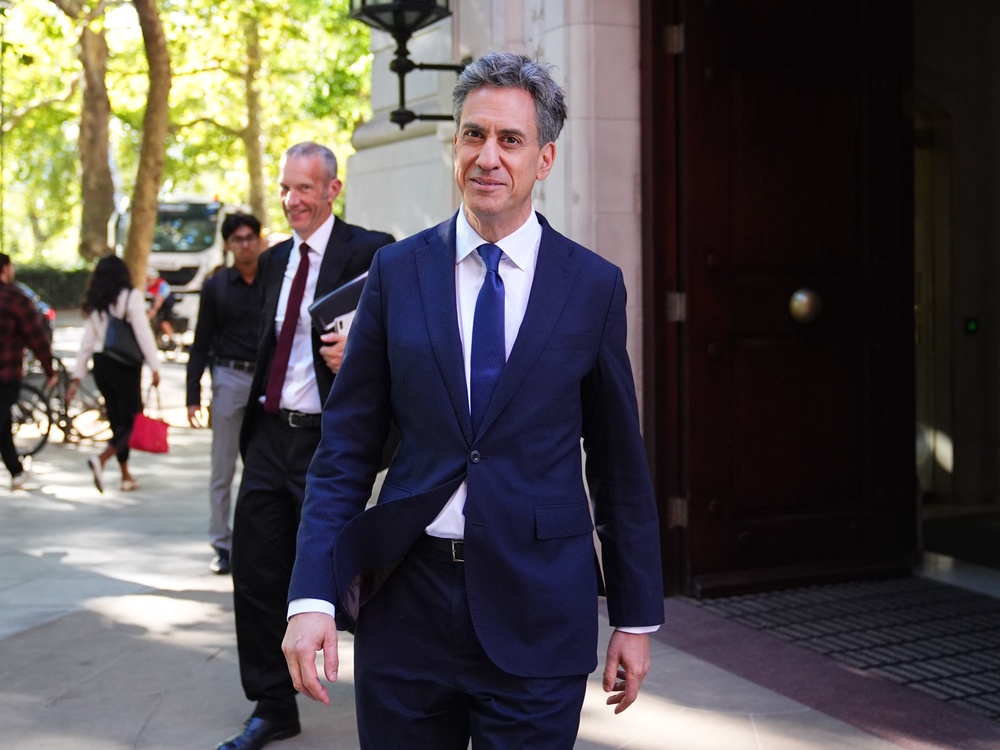
But he told Sky News the Government had “weighed up the costs and benefits in advance of this” and decided the ban was “the right thing to do”.
He added that the UK would “let our American friends speak for themselves” but noted the international community had been “quite frustrated, to put it mildly, with some of the actions of the Israeli government”.
In Britain itself, the Government has faced criticism from some Jewish figures, including chief rabbi Sir Ephraim Mirvis, who described the ban as “gesture politics” that would “succeed only in bolstering the very extremism they seek to target”.
Conservative leader Kemi Badenoch has also criticised the move, writing in the Sun that it was “performative politics, designed to appease Labour MPs and activists regardless of the consequences for Britain”.
A spokesman for the Mrs Badenoch later told reporters she backed a two-state solution to the conflict in the Middle East, but said this “should be done in dialogue with a very close ally and security partner”, Israel.
The spokesman added: “She said as much to the Israeli foreign minister when they spoke yesterday, whereas what we see from Labour is partisan posturing because it works for their backbenchers and their activists.”
Mr Miliband, who described himself as a “proud British Jew”, said he had “great respect” for Sir Ephraim, but did not agree.
He added: “We all need to do more to tackle antisemitism, but I believe we can do that and stand up for British values.”
Others within the Jewish community have been more supportive, with the peace organisation Yachad describing the announcement as “an important and necessary development” that was “not anti-Israel” and “certainly not antisemitic”.
The Green Party has also backed the move, with leader Zack Polanski rejecting Sir Ephraim’s comments and saying the Government had taken “necessary first steps”.
Nigel Farage and Mr Saar spoke on Wednesday, with the Israeli foreign minister saying the Reform UK leader “assured me unequivocally that, in government, Reform UK would reverse the damage done to the UK-Israel relationship by the Labour Government and its policies”.
Meanwhile, Greater Manchester Police has announced extra resources to increase security for Jewish communities over the High Holidays that begin with Rosh Hashana on Friday.
Chief Superintendent Dave Meeney said the force had “significantly developed” the way it policed the High Holidays after working with community leaders.
He said: “Our officers will continue working with Jewish communities as we head into this important period for their faith, which we understand is a time which may bring heightened concern for the community.”
Read MoreArchbishop issues verdict over UK sanctions on Israeli settlements in West Bank
Majority of Britons back UK sanctions on Israeli settlements in West Bank, poll finds
PM acknowledges AI ‘risks’ as Anthropic expert says tech ‘could kill all humans’
In The Room: How Badenoch’s reshuffle highlights Labour’s woman problem
I won’t fund national security at the expense of social security, Burnham says
More voters think Rupert Lowe is doing a good job as leader than Zack Polanski
.jpg?width=1200&auto=webp&trim=0%2C0%2C0%2C0)