The UK government is set to announce a ban on all trading on goods from Israeli West Bank settlements, in a move expected to prompt fierce backlash from the US and Israel.
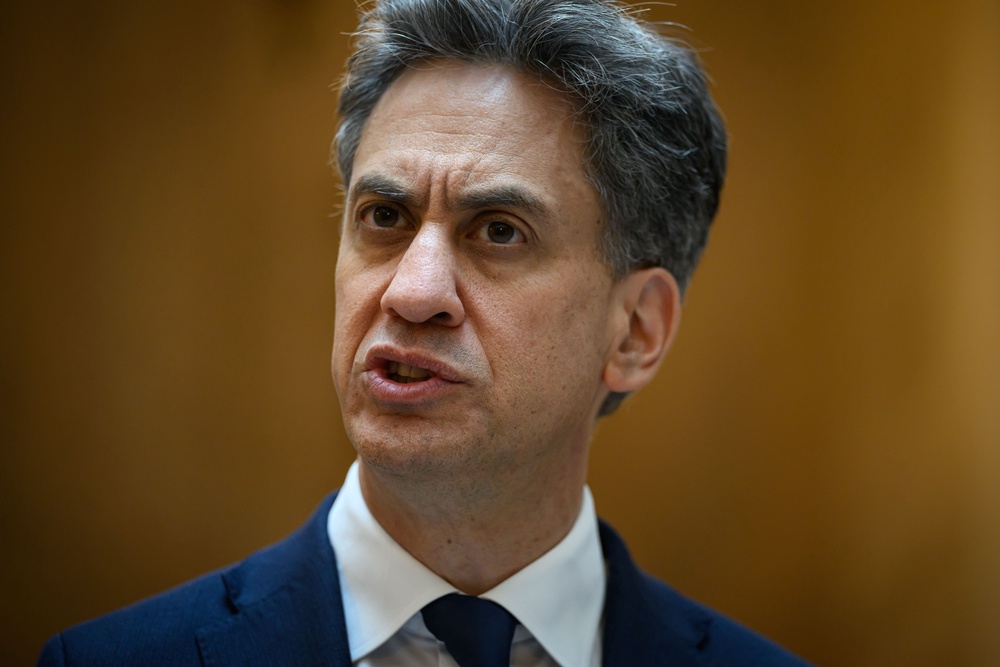
Foreign secretary Ed Miliband will announce a “reset” of the UK’s relations with Israel in a Commons statement on Tuesday, after prime minister Andy Burnham reportedly discussed the move with Donald Trump in a phone call on Monday.
The UK will follow in the path of Spain, the Netherlands, Ireland, and Belgium all of whom have legislated for or already implemented a ban on goods originating from the settlements. The EU is discussing a ban, but remains divided.
But just how far the ban will go - and whether it will herald in an era of more rigorous action against Israel - is yet to be seen.
The Independent takes a look at what the settlements are, how they trade with the UK, how the ban could be implemented.
What are the Israeli settlements?
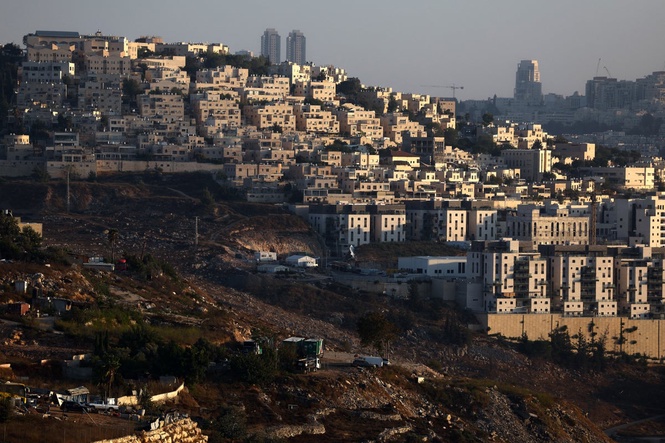
The settlements are civilian communities inhabited almost exclusively by Jewish Israeli citizens, that have been built on land captured by Israel during the 1967 Six-Day War.
The West Bank has around 146 official Israeli settlements and 150 to 200 unauthorised outposts, with more than 700,000 Israeli settlers living in the illegally occupied West Bank, including East Jerusalem. There are another 34 settlements in the occupied Syrian Golan Heights, housing more than 30,000 settlers.
In July 2024, the International Court of Justice delivered a landmark opinion which declared that the Israeli occupation of the Palestinian territories, including the settlements, were illegal under international law. The UK ban is expected to bring the UK closer into compliance with the ICJ opinion.
Many Israeli settlers believe the West Bank, which they refer to as Judea and Samaria, is part of the Jewish people’s ancestral land, containing several sites that are central to Jewish history.
Settlement expansion has long been Israeli government policy, although the scale and pace has fluctuated over time as governments come and go.
The current government, especially its far-right factions led by police minister Itamar Ben Gvir and finance minister Bezalel Smotrich, has made settlement expansion a cornerstone of their policy. The current government has approved 103 new settlements since 2022, including brand new ones for construction and the retroactive legalisation of some that already existed, according to The Times of Israel.
But even during the more moderate Israeli governments of recent times the settlements grew. During the Oslo peace process between 1993 and 2000, the settler population in the West Bank increased by more than 100,000, a process widely deemed to have damaged the prospects of peace.
What trade activity does the UK do with the settlements?
The UK currently “strongly advises” against any “economic and financial activities in illegal Israeli settlements”, but has fallen short of an outright ban.
Activities which are currently permitted, although advised against by the government, include financial transactions, investments and donations, purchases, and other economic activities in the settlements or that benefit the settlements.
In February 2020, a report by the UN’s Office of the United Nations High Commissioner for Human Rights (OHCHR) named several British business enterprises involved in activities in the illegal Israeli settlements in a new database.
An investigation by Al Jazeera and public procurement analysts Tussell reported last week that 17 companies and entities linked to the West Bank settlements hold 125 United Kingdom public-sector contracts worth more than £2.1 billion.
But there is also much confusion about exactly which products come from the settlements and which come from Israel proper.
Israeli exporters to Europe have been accused of masking the origin of produce grown in occupied land and passing them off as being from Israel. Global Echo, a legal non-profit, said one in six shipments over a period of eight years had contained agricultural products that originated in illegal settlements in the Palestinian territories and the Syrian Golan Heights, according to The Guardian.
At least 42 per cent had been mislabelled as Israeli-grown, it said.
What form could the sanctions take?
It is currently unclear exactly what sanctions will be imposed and just how stringent they will be.
It could include a total ban on the export of all goods and produce from the settlements. It could also mean a ban on any charitable donations aimed at boosting the settlements, and any other form of investment.
Amnesty International says the ban must also “prohibit UK companies from providing any services including financial services, construction, insurance, logistics, security, legal services, and marketing that facilitates, supports or economically benefits settlement activity”.
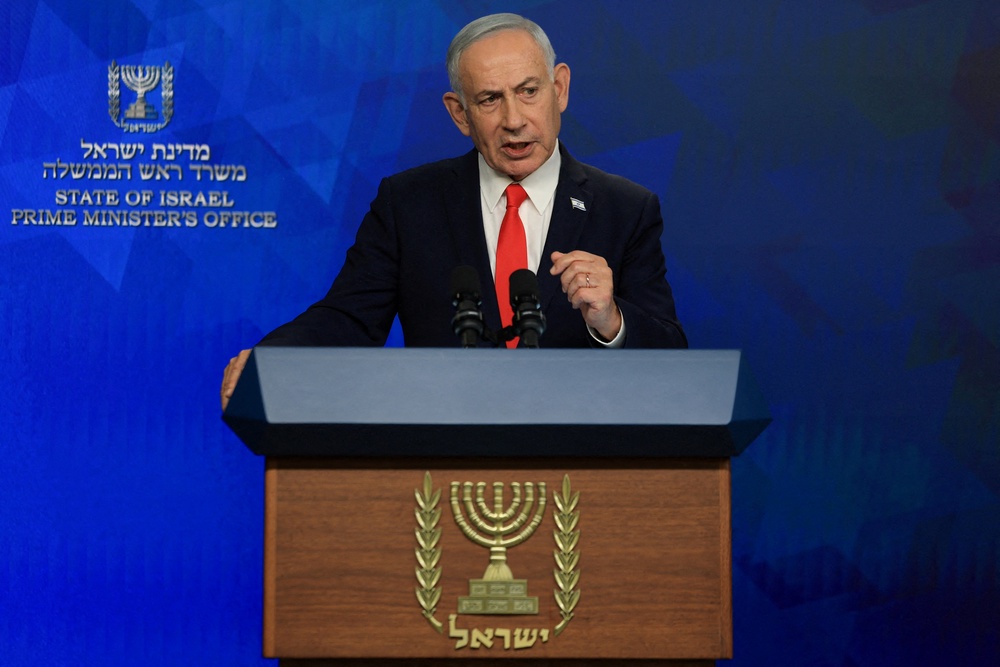
Whether it will include all goods, services and investments is unclear. But rights groups have warned the government that only a comprehensive ban on all activities linked to the settlements will successfully hold Israel accountable.
“The devil will be in the detail,” said Peter Frankental, Amnesty International UK’s economic affairs director.
“A ban that covers only goods or only imports, leaves services and investment untouched, or lacks real enforcement powers will fall short of the comprehensive prohibition that international law demands and that is needed to hold Israel accountable.”
There are also some concerns that Palestinian producers and economic actors could be inadvertently penalised by the ban.
Read MoreIsrael condemns Britain’s ‘grave miscalculation’ over West Bank sanctions - latest
UK facing backlash to sanctions over Israeli West Bank settlements
Netflix raises price of UK subscriptions in latest hike
Nicaragua tells top UN court Germany is violating international law by selling weapons to Israel
Iran war live: Houthis attack Saudi Arabia and wound dozens as conflict widens
Israeli minister calls for sanctions on UK over ‘occupation’ of Falkland Islands