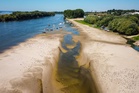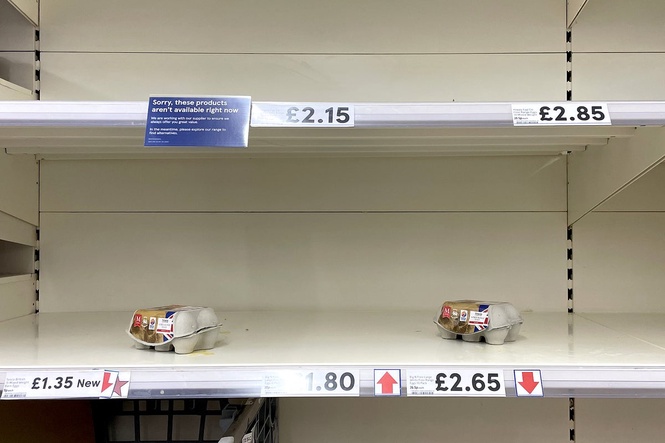
British farmers are facing a perfect storm as drought conditions have been declared across half of England, putting further strain on already struggling crop yields.
It follows pressure on food supplies caused by the war in Iran, years of higher fertiliser and animal feed costs due to the invasion of Ukraine, and a series of extreme weather events that continue to hit the UK.
By the middle of July, England had only received 3 per cent of its average rainfall, with the Met Office not forecasting heavy showers in the coming weeks.
Experts are now warning that the extreme drought conditions will worsen supply shortages and push grocery prices even higher.
Andrew Opie, the director of food & sustainability policy at the British Retail Consortium, said: “Climate change continues to create challenges for retailers and their suppliers. Extreme weather, including drought, can affect crop yields and place upward pressure on prices.”
The Independent spoke to farmers and experts to find out how England’s droughts could affect food supply.
Vegetables
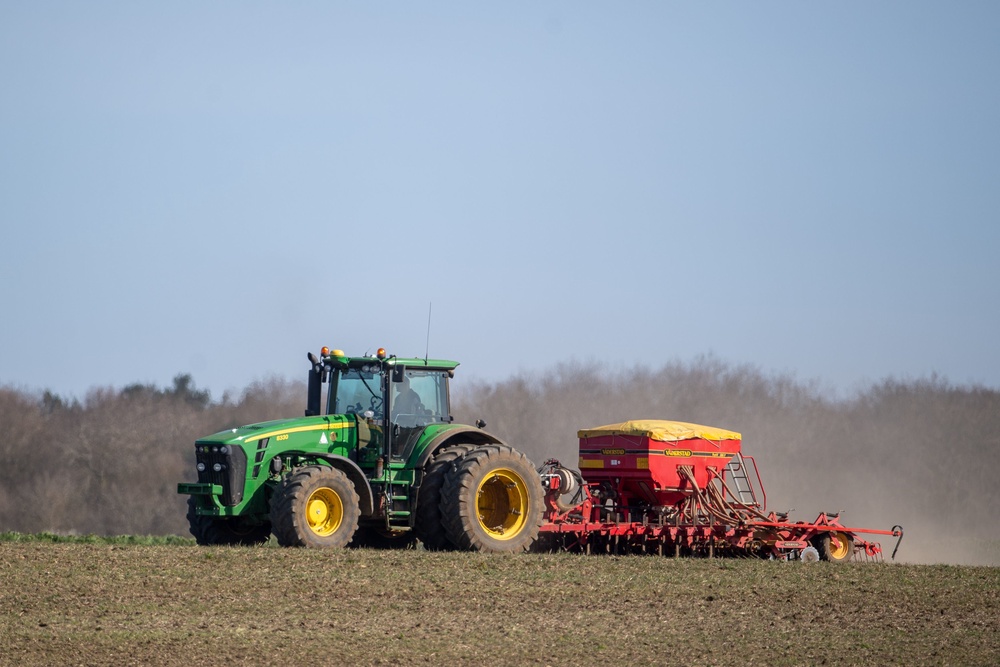
Field vegetables, which are often grown in areas where there has been little rainfall this summer, are especially susceptible to the current drought conditions in England, University of Oxford professor Paul Behrens said.
This includes potatoes, carrots, onions, cabbage, lettuce, spinach, kale, brassicas, pumpkins, and cucumbers.
Julian Marks, the chief executive of international vegetable farming business Barfoots, has seen crop yield reductions of up to 20 per cent.
“We've had a variety of crops affected by the heat, including sweet corn, green beans, garden peas, and tender stem broccoli.”
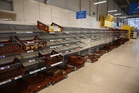
“There have been examples already of shortages due to weather conditions,” he said, adding that shoppers will see more gaps in supply later in the autumn.
“It’s unlikely that these issues will continue beyond the autumn. But the implications for UK production in future years are very serious.”
Wholesale prices have already spiked, with the average cost of a homegrown cauliflower reaching £1.62 a head in Defra’s latest figures, up from £1.06 four weeks earlier and 89p at the same point last year.
Fruit
Jonathan Lukies, a farmer from Cammas Hall fruit farm, said the drought conditions have affected all of his crops, including strawberries, blackberries, blueberries, cherries and pumpkins.
Unlike vegetables, Britons are less likely to see an impact on fruit in the supermarkets. Only around 17 per cent of the UK’s fruit is grown on British farms, meaning supply and prices will only be affected if supermarkets can’t find replacements from other parts of the world, Mr Lukies said.
“If people want to eat English strawberries and cherries and things like that, there will definitely be less of them than previous years because of this extreme weather.”
Meat & dairy
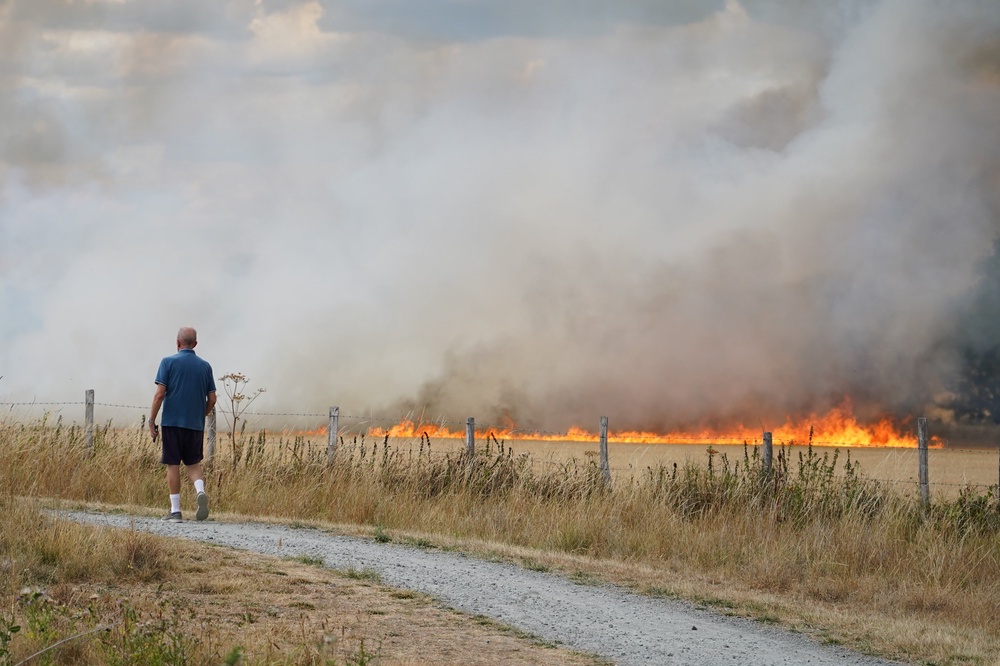
Heat stress on animals is causing a reduction in the supply of meat products, including beef, chicken, and pork.
This will subsequently reduce egg production, and could cut milk production by up to 20 per cent.
Derek Watson, an associate professor in cultural management at the University of Sunderland, said it would affect all livestock.
“[It’s] very temperamental. If there's a change in environment, that will affect their production,” he said.
“These impacts could last well into 2027, possibly you know a year from Christmas.”
Cereals
Cereal harvests are also struggling, with Mr Lukies’ farm losing a quarter of its wheat crop this year.
“We've had little or no rain since April, apart from a couple of inches in June, but it was sort of too late for the wheat.”
Mr Watson said a reduction in cereal crops will have a knock-on effect further down the line on baking supplies, like flour, and “you’ll see certain retailers having to force up their prices”.
Limited cereal crops, like wheat and barley, will also affect animal feed, and subsequently, the production of meat and milk.
A Defra spokesperson said: “We will always protect the food security of this country to ensure that people have access to nutritious, affordable food.
“To help deliver this, we focused on strengthening national food security, investing a record £11.7 billion in sustainable and profitable farming and billions more in the development of new technology and climate resilient crops to increase yields.”
Read MoreInstagram-famous lake on Swiss border left empty by brutal heatwaves
Full list of areas hit by drought as half of England and all of Wales affected
Satellite pictures reveal huge impact of ‘exceptional’ UK drought and heatwaves
Why the Bank of England kept interest rates the same and what could happen next
Musicians gather in Dublin to pay tribute to Glen Hansard
Suffolk wildfire latest: Nuclear power plant on alert amid ‘fast moving’ blaze