_1652931074_9592.jpg)
Prime Minister and Finance Minister Anwar Ibrahim has officially tabled the fifth MADANI Budget for 2027 in Parliament, delivering a record spending plan that touches nearly every corner of daily transport.
Let’s look into what Belanjawan 2027 brings to the Malaysian transport industry. For everyday motorists, commercial fleet operators, and car buyers weighing up their next purchase, the announcement lays out several major shifts. From targeted fuel subsidy mechanisms to high-voltage electric vehicle incentives and stricter driving laws, the latest national budget brings clear clues about where our roads and car showrooms are heading.
Fuel Subsidies and Daily Running Costs
One of the biggest concerns for Malaysian vehicle owners heading into 2027 has been pump prices. The federal government has committed over 80 billion ringgit toward general subsidies and assistance, with fuel subsidies alone expected to absorb roughly 40 billion ringgit due to global oil market fluctuations. Under the targeted BUDI MADANI framework, the government confirmed that the existing quotas will keep running to shield households.
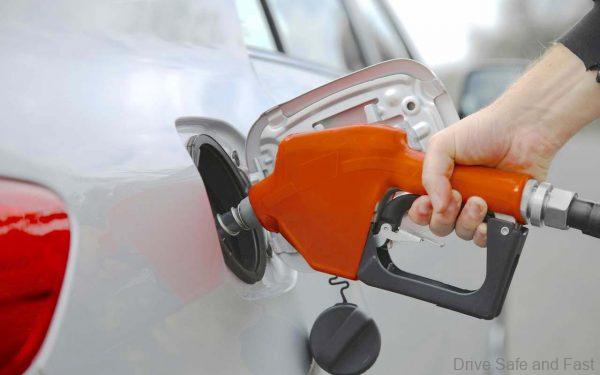
Individual car owners will maintain an allocation of 300 litres under the BUDI95 program, while diesel-powered pickup truck and four-wheel-drive owners will continue to receive a monthly quota of 400 litres under BUDI Diesel. Data shared during the tabling revealed that less than one percent of eligible private motorists exhaust these allocations every month, signaling that current subsidy ceilings are remaining untouched for the foreseeable future.
Manufacturing Incentives and Tanjung Malim’s Auto Hub
On the industrial side, the local supply chain gets a targeted shot in the arm. The government is doubling down on turning the Automotive Hi-Tech Valley in Tanjung Malim, Perak into a dedicated regional automotive and new energy vehicle export hub.
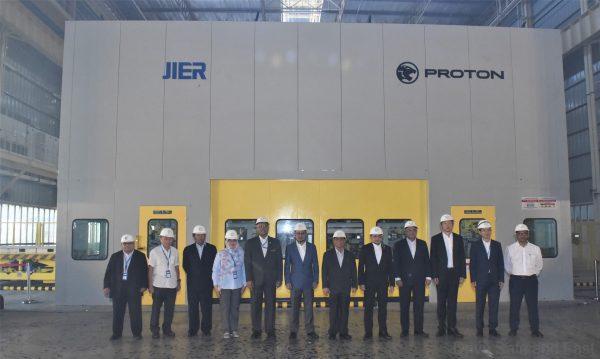
To entice fully homegrown parts suppliers and Tier-1 vendors to pack up and set up shop within the hub, the federal government is offering tax deductions on eligible relocation costs of up to 5 million ringgit. The tax incentive will run for expenses incurred from 1 January 2027 through 31 December 2030, aiming to draw deeper local parts manufacturing and shorten supply chain lead times for national vehicle assembly.
Extended Tax Breaks for Electric Vehicles and Green Tech
Clean mobility continues to receive sustained backing under the government’s decarbonisation goals. Companies venturing into green technology and sustainable fleet integration can continue to tap into enhanced Green Investment Tax Allowances.
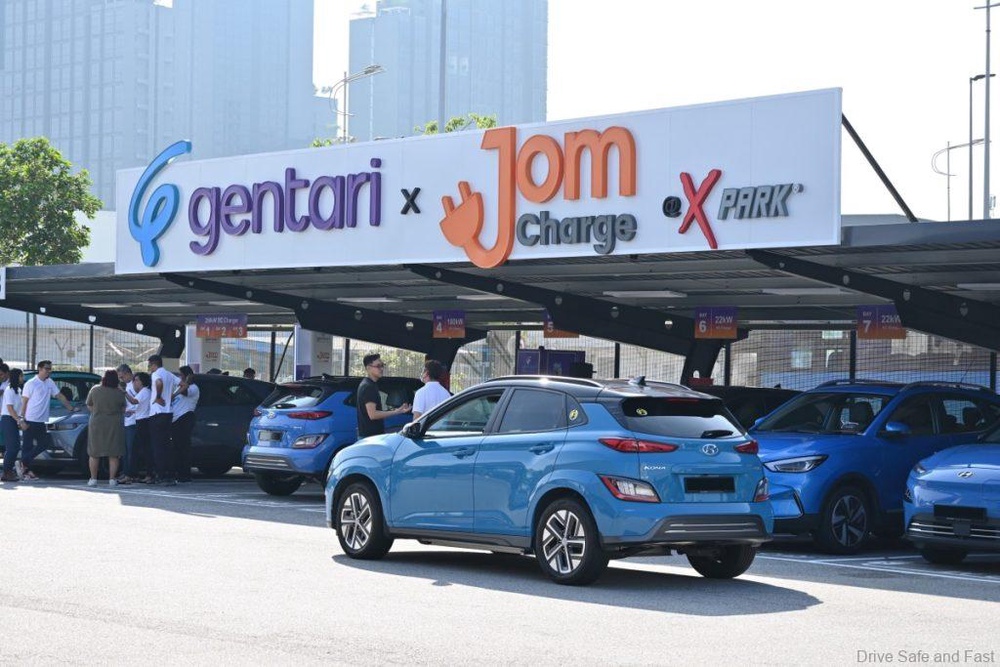
Commercial operators and private firms that purchase green technology assets or install public electric vehicle charging stations remain eligible for substantial tax allowances of up to 100 percent, extended through 31 December 2030. This ensures private charging point operators have sufficient runway to build out highway and urban charging infrastructure ahead of the anticipated phase-out of early EV import duty waivers.
Tougher Road Safety Laws and Commercial Vehicle Telematics
Road safety policies are seeing a sharp tightening following serious highway crashes involving intoxicated motorists and heavy vehicles. The government plans to amend the Road Transport Act to legally mandate that drivers operating under the influence of alcohol or drugs pay direct compensation to their victims or surviving families.
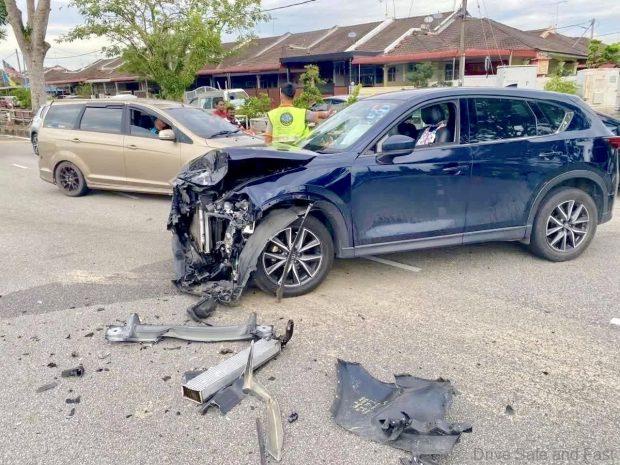
In the commercial transport sector, heavy commercial vehicle operators face new technical mandates. Fleet lorries and transport carriers will soon be required to install onboard telematics systems to monitor vehicle speeds, physical location, and risky driving habits in real time. The rollout includes integration with driver alcohol detection interlocks before a journey can start. The system runs on a voluntary participation basis through 2027 while road transport authorities build a centralised driver enforcement database.
Highway Repairs and East Malaysia Road Projects
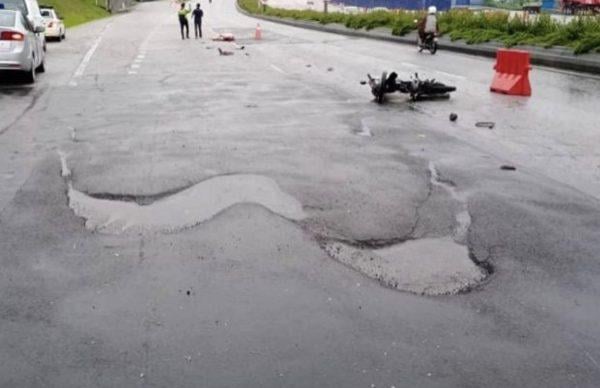
For road users frustrated by broken asphalt and potholes, road maintenance budgets have been substantially bumped up. Federal road maintenance receives 2.5 billion ringgit, which includes dedicated allocations for small contractor classes, while state road repairs through MARRIS receive 5.7 billion ringgit. Local district engineers also receive an expanded 40-million-ringgit quick-response fund specifically to patch dangerous potholes quickly. Motorcyclists traveling along PLUS highway routes can expect 50 upgraded motorcycle shelters and 70 new designated shelter spots to provide refuge during heavy downpours.
Regional highway connectivity in East Malaysia also secured an allocation of 3.3 billion ringgit for 2027. Work on the Trans Borneo Highway section in Miri is moving ahead alongside upcoming tenders for Limbang and Lawas, while construction on the Sarawak-Sabah Link Road 1 and Pan Borneo Sabah Phase 1B remains slated for completion by late next year.
Support for Gig Drivers and Public Transit Commuters
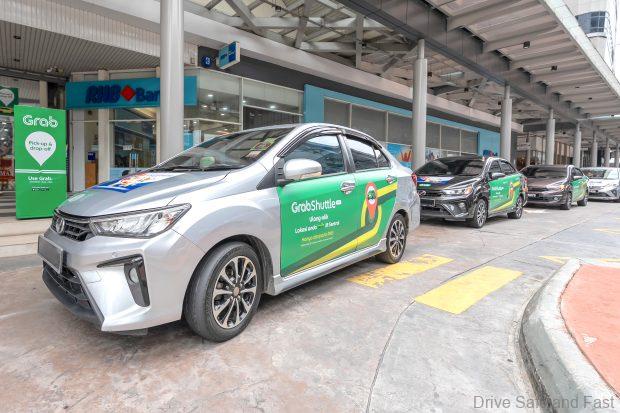
Ride-hailing and delivery drivers receive financial assistance as the government moves to regulate the gig economy. Alongside a joint 160-million-ringgit welfare package between the government and Grab to raise take-home earnings and vehicle upkeep support, full-time taxi drivers and school bus operators are scheduled to receive a one-off cash assistance payment of 1,000 ringgit next week.
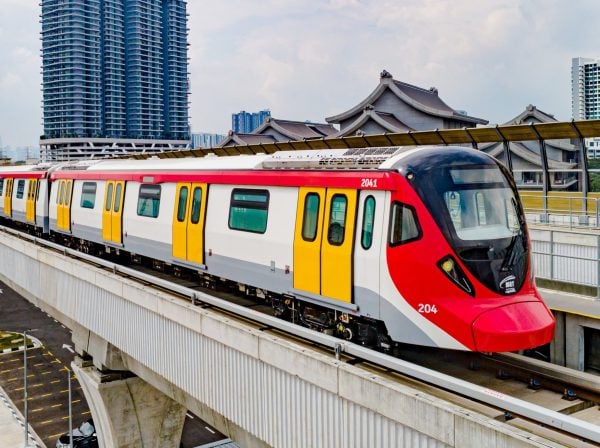
Meanwhile, daily urban commuters gain expanded travel passes. The popular My50 monthly unlimited travel pass for rail and bus services in the Klang Valley is retained, joined by a newly introduced MyKomuter50 monthly pass for KTM Komuter passengers, saving regular rail travelers up to 160 ringgit a month and helping ease private car congestion during rush hours.