Before throwing away the seeds from your Thanksgiving pumpkin, consider what those slippery little leftovers could become next summer. A single mature pumpkin can contain hundreds of potential seeds, making it tempting to skip buying seed packets when spring arrives. However, growing a pumpkin from grocery store seeds isn’t necessarily as straightforward as planting a miniature version of the fruit you purchased.
The seeds may germinate beautifully, produce an unexpected variety of squash, or fail to grow altogether. Here’s what gardeners should understand before turning their grocery store purchase into next year’s pumpkin patch.
Grocery Store Pumpkin Seeds Can Be Viable
Seeds removed from a mature, uncooked pumpkin may retain everything they need to develop into new plants. You don’t have to purchase professionally packaged seeds every time you want to experiment with growing pumpkins. The maturity of the original fruit and the condition of its seeds will influence their ability to germinate. Seeds that have been roasted, cooked, or damaged during food preparation aren’t suitable for this experiment. Select plump, intact seeds from a healthy pumpkin that has reached maturity.
Your New Pumpkins Might Look Completely Different
Commercial growers frequently produce pumpkins from hybrid varieties selected for particular characteristics. Seeds harvested from those pumpkins may produce offspring that differ considerably from the original fruit. You could discover variations in color, shape, size, texture, and other characteristics when the new plants mature. Oregon State University’s Extension service addressed this uncertainty in its 2025 guidance on saving pumpkin seeds. That unpredictability can make seed saving enjoyable for experimental gardeners but less appealing to those who need a specific harvest.
Cross-Pollination Can Change Next Year’s Harvest
Pumpkin plants produce flowers that are commonly pollinated by visiting insects. Compatible pumpkin and squash varieties belonging to the same species can cross-pollinate when grown near one another. That genetic exchange generally doesn’t change the appearance of the pumpkin you purchase, but it can affect plants grown from its seeds. Because grocery shoppers rarely know what compatible varieties surrounded commercially grown pumpkins, predicting the offspring can be difficult. Pumpkins don’t, however, freely cross with every member of the broader squash and cucumber family.
How to Prepare Pumpkin Seeds for Storage
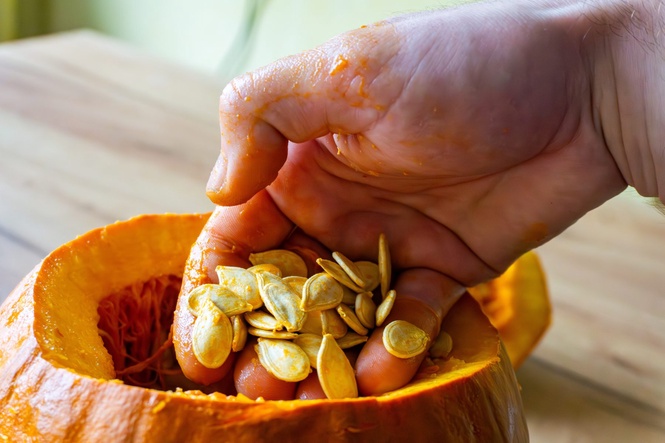
Scoop the seeds from the pumpkin and separate them from the surrounding pulp. Rinse them thoroughly using clean water and remove seeds that are visibly damaged or poorly developed. Spread the remaining seeds in a single layer on a suitable surface in a dry, ventilated location. Allow them to dry completely, turning them occasionally if necessary to prevent moisture from becoming trapped underneath. Depending on environmental conditions, thorough drying may take several weeks.
Don’t Put Damp Seeds Into an Airtight Jar
Prematurely sealing freshly harvested seeds can trap moisture and encourage mold development. Wait until the seeds are thoroughly dry before transferring them into appropriate storage containers. Label the container with the source of the seeds and the year they were collected. Keep them somewhere cool, dry, and protected from substantial temperature fluctuations. If you use refrigerated storage, allow the sealed container to reach room temperature before opening it to reduce condensation.
Test a Few Seeds Before Committing Garden Space
A simple germination test can help determine whether your saved seeds are worth planting. Place 10 seeds between damp paper towels and keep them in appropriately warm conditions without allowing them to dry completely. Monitor them over the following week or two for signs of germination. If eight seeds sprout, for example, your small test suggests an approximate 80% germination rate. Although that result doesn’t guarantee outdoor success, it can help you decide how many seeds to sow.
Wait Until the Weather Is Warm Enough to Plant
Pumpkins are generally warm-season crops that perform poorly in cold, wet soil. Planting the seeds outdoors immediately after Thanksgiving is unlikely to produce healthy seedlings in regions experiencing winter temperatures. Instead, save them until spring, after frost danger has passed and the soil has warmed sufficiently. Depending on your climate and growing season, you might also start them indoors shortly before transplanting. Avoid starting them too early because mature pumpkin seedlings can become difficult to manage in small containers.
One Free Seed Can Produce a Very Large Plant
Pumpkins are capable of developing extensive vines that occupy considerable garden space. Before planting several seeds, consider how much room you have available and whether the vines could interfere with neighboring plants. Bush varieties and sprawling varieties have substantially different spacing requirements, but grocery store seeds may not reveal which characteristics you’ll encounter. Provide fertile, well-drained soil, adequate sunlight, and consistent moisture throughout the growing season. Remember that free seeds still require time, space, and other gardening resources.
Be Careful About Eating Unexpected Squash
An unusual-looking pumpkin isn’t automatically unsafe, but unexpected bitterness deserves serious attention. Certain squash can contain elevated levels of naturally occurring bitter compounds called cucurbitacins, which can cause illness. Never continue eating pumpkin or squash that tastes unusually bitter, and don’t assume cooking makes it safe. Avoid saving seeds from ornamental gourds intended exclusively for decoration rather than food production. When the identity or suitability of an experimental harvest is uncertain, growing it for decoration may be the more appropriate choice.
Are Free Pumpkin Seeds Worth the Experiment?
Saving grocery store pumpkin seeds might eliminate the cost of a few seed packets, but it won’t guarantee a predictable harvest. Gardeners growing pumpkins for specific recipes, competitions, or commercial purposes may prefer seeds from established suppliers. For casual gardeners and families interested in an inexpensive growing experiment, saved seeds can be a rewarding alternative. Keep a few this Thanksgiving and see what develops when planting season returns.
Have you ever grown something from grocery store seeds that turned out completely different from the original fruit?
The post What Happens if You Plant Seeds From a Grocery Store Pumpkin? appeared first on Frugal Gardening.