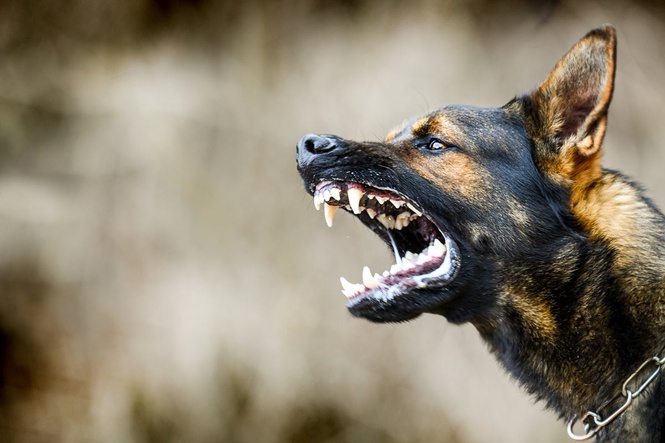
Dog bite insurance claims have soared, rising more than 25 percent from 2024 to 2025, a recent study found.
The injuries cost the insurance industry $1.86 billion last year, with an average claim of $65,450, according to a new study from the Insurance Information Institute, an industry advocate.
“All dogs – even well-trained, gentle dogs – can bite when provoked, especially when eating, sleeping, or caring for puppies,” the study noted.
There were 28,450 claims related to dog bites last year in the U.S. California and Florida made the most claims, while New York had the highest average claim cost, the study found.
The findings highlight how it’s important to know what to do if your dog unexpectedly bites someone or you are bitten.
Do insurance policies cover dog bites?
Homeowners and renters insurance policies generally cover dog bites on the policyholder's property and, in some cases, away from the property. Both policies typically have personal liability coverage, which covers the person bitten.
“Personal liability” includes a wide range of scenarios - injuries on your property, damage you or members of your household cause other properties, lawsuits and associated fees - and also dog bites, according to insurer Progressive.
Personal liability limits range from $100,000 to $500,000, Progressive states.
A policy limit represents the most an insurer will pay on a claim. So, if someone sustains a dog bite on your property and their medical bills cost more than your policy’s limit, you might be on the hook for the difference.
But dog-bite coverage isn’t guaranteed, said Brad Vinson, a personal injury trial attorney and partner at Smith & Vinson Law in Austin.
“Some policies also have breed restrictions or specific animal exclusions, so you will need to review your policy to see what is covered and what isn't,” Vinson told The Independent in an email.
Certain breeds are more likely to be excluded from insurance policies, according to insurance marketplace Policygenius. The include:
- Akitas
- Alaskan malamutes
- Any wolf breeds
- Chow chows
- Doberman pinschers
- German shepherds
- Great danes
- Pit bulls
- Presa canarios
- Rottweilers
- Siberian huskies
- Staffordshire terriers.
Coordinating claims
Experts agree that dog-bite victims should take specific steps immediately after the incident. First, take pictures of the bite wound, the dog and the location where the bite happened (yard, inside a home, etc.). Get the dog owner’s information, if possible.
From there, report the bite to your insurance company and seek medical attention as soon as possible.
“Go to the doctor, even if the bite seems small, because they can get infected quickly,” Yosi Yohoudai, managing partner at J&Y Law, told The Independent in an email.
Get a copy of the doctor’s notes about the injury - you’ll need this when the insurance company requests all information, photos and paperwork from the incident. The insurance company typically starts an investigation once it has the information it needs from you.
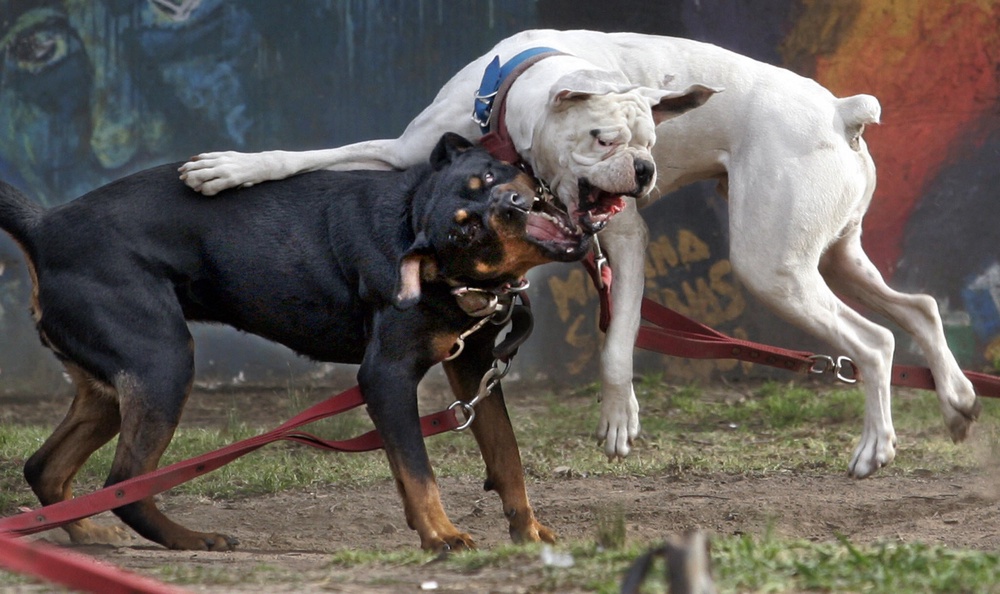
“The insurance company will [investigate] on their part to determine whether their insured owned the dog and is at fault for any injuries,” Tara Tighe Umbrino, a personal injury lawyer and managing attorney at Valor Injury Law, said in an email to The Independent.
“They will also investigate if the injuries were caused by the dog or if the bite victim provoked the dog in any way.”
Once the investigation is over, the insurance company can make a decision about the claim.
If there’s a lawsuit involved, the process looks a little different. The bite victim may file a lawsuit after the dog bite. In that case, the dog owner should contact their insurer immediately.
The insurance company typically assigns a defense attorney or adjuster - someone who decides if the insurer covers the incident - to the case to review the facts, William Lemmon, principal agent at Broadway Insurance Services, said in an email to The Independent.
“They're going to ask for your side of the story and any supporting information on what happened,” Lemmon said. “Then, most of the time, [they’ll] weigh options on the best way to proceed to protect you.”
Many misconceptions
Making the wrong assumptions about dog-bite claims can hurt an individual’s chances of success, attorneys and insurance experts said. One common misconception is that dog bites are the only canine-related claims an insurer will cover, Lemmon said.
“We've seen claims where a dog just was large and jumped up and knocked someone down,” he said. “For whatever reason, that was enough to press charges.”
Another assumption is that the dog has to be aggressive to make a claim, Umbrino said.
“You can make a [claim] for a dog's first bite if the owner didn't have the dog on a leash, didn't have them properly fenced in or was not properly controlling the dog,” she said.
Some dog-bite victims believe the owner’s insurance won’t pay out if it’s the dog’s first bite, Vinson said. “Liability doesn't require a prior bite in most states,” he said.
Sixteen states require a prior bite for an insurance claim. They’re known as “one-bite rule” states, according to site Adopt a Pet.
Those states are Alaska, Arkansas, Idaho, Kansas, Maryland, Mississippi, Nevada, New Mexico, New York, North Dakota, Oregon, South Dakota, Texas, Vermont, Virginia and Wyoming, but the list can change based on insurance law or regulation changes.
Claim timelines
Dog-bite claims can last anywhere from a few weeks to a few years, experts say, depending on the circumstances.
“There are always a lot of factors in personal injury cases, so it's difficult to tell people exactly how long cases will take,” Yahoudai said. “It comes down to the injuries, how much medical treatment the victim is getting, because we can't file the demand until all treatments are done and accounted for.”
An injury that takes months of recovery and leads to scarring can extend the timeline, Umbrino said.
The simplest claims are resolved in a few weeks, but that timeline stretches to years if a lawsuit is filed, she said. Consumers can speed up the process by meticulously gathering information in the minutes, hours and days that follow the bite.
“Taking the right first steps with documenting everything and following up with medical treatment can help to continue pushing the claim forward,” she said.
Amazon is giving Prime members a new perk at no extra cost
Petco loses millions of dollars on customer loyalty program
Fast food giants are reversing its course on AI as customers crave human connection
The cheapest NFL streaming services you can buy this season
A third of US families are upper-middle class — are you among them?
Here’s the average net worth in 2026 for every generation. How do you compare?