Heat pumps are becoming an increasingly familiar alternative to gas and oil boilers, offering a more energy-efficient way to heat a home without burning fossil fuels. Rather than generating heat themselves, they use electricity to capture heat already present in the air, ground or water and transfer it into your home.
This makes them remarkably efficient. A well-designed heat pump can typically produce around three units of heat for every unit of electricity it consumes, while government grants can now cover a significant proportion of the upfront installation cost. In England and Wales, eligible households can currently receive as much as £9,000 towards some heat pump installations.
But heat pumps work differently from traditional boilers, and the right system will depend on your property, existing heating setup and budget. So, what exactly is a heat pump, how does it work and could one be suitable for your home?
What is a heat pump?
A heat pump is an electrically powered heating system that moves heat from one place to another rather than creating it by burning fuel.
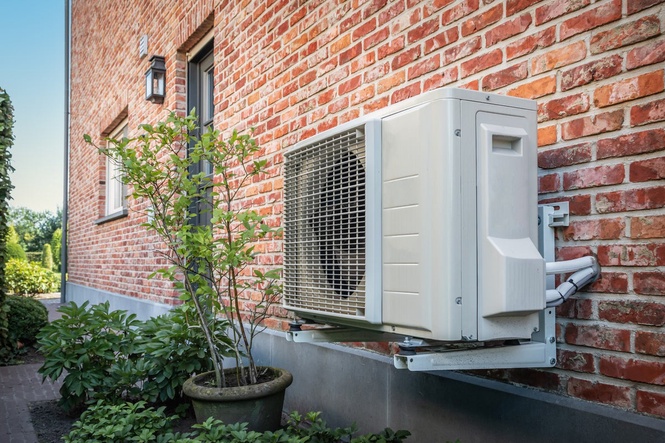
Depending on the type of system, it extracts heat from the outside air, the ground or a nearby water source and raises it to a useful temperature for your home. Most heat pumps installed as boiler replacements in the UK are air-to-water systems, which heat water that circulates through radiators or underfloor heating and can also provide hot water.
Air-to-air heat pumps work slightly differently. Instead of heating water, they transfer warmth directly into the air inside your home, usually through indoor units mounted on walls, floors or ceilings. Many can also operate in reverse to provide cooling during warmer weather, although they don’t normally provide domestic hot water.
How does a heat pump work?
Most heat pumps use the same basic refrigeration cycle found in a fridge or air conditioning system, but instead of removing heat from your home, they bring useful heat into it.
An air-to-water heat pump, the most common type installed as a boiler replacement in the UK, absorbs heat from the outdoor air, even when it’s cold outside. A refrigerant carries that energy through the heat pump, where it’s compressed to increase its temperature before being used to heat water for radiators, underfloor heating and a hot water cylinder.
Because heat pumps move existing heat rather than generating it by burning fuel, they can be highly efficient. In many cases, they can produce around three units of heat for every unit of electricity they use, making them much more efficient than a gas boiler.
What types of heat pumps are available?
There are several types of heat pumps, with the best option depending on your property and how you want to heat it.
Air-to-water heat pumps are the most common choice for replacing a boiler in UK homes. They take heat from the outside air and use it to warm water, which circulates through radiators or underfloor heating. They can also provide hot water via a cylinder.
Air-to-air heat pumps also extract heat from the outside air, but distribute it directly into your home through indoor units rather than heating water. Most can provide cooling as well as heating, although they don’t usually supply domestic hot water. Residential air-to-air systems are now eligible for support through the Boiler Upgrade Scheme.
Ground source heat pumps extract heat through pipes buried underground. Because ground temperatures remain relatively stable throughout the year, these systems can be very efficient, but they typically cost more to install and require sufficient outdoor space for digging trenches or boreholes.
Water source heat pumps work on a similar principle but draw heat from a nearby body of water. They are much less common and depend on having access to a suitable water source.
For most people who are considering replacing a gas boiler, an air-to-water heat pump is likely to be the most practical option.
Are heat pumps environmentally friendly?
Heat pumps are considered a low-carbon heating technology because they use electricity rather than burning gas or oil. As the UK’s electricity grid continues to rely more heavily on renewable sources such as wind and solar, the carbon footprint of running a heat pump is expected to fall further.
They also avoid local air pollution linked to gas boilers, such as nitrogen dioxide, which can affect air quality in built-up areas.
How much does a heat pump cost?
The upfront cost of installing a heat pump is higher than replacing a gas boiler. An air source heat pump typically costs between £7,500 and £12,000, while ground source systems are usually more expensive.
However, government support can substantially reduce the amount households have to pay. The Boiler Upgrade Scheme currently provides £7,500 towards an air-to-water or ground source heat pump in eligible homes in England and Wales, while residential air-to-air heat pumps qualify for a £2,500 grant.
Some households can receive even more. If your home is not connected to the mains gas grid and you are replacing an oil or LPG heating system, you can currently receive £9,000 towards an eligible air-to-water or ground source heat pump. The higher rate is available until 31 March 2027.
The scheme is installer-led, which means an MCS-certified installer applies for the grant on your behalf and deducts it from the cost of the installation.
The government’s Warm Homes Plan is also expanding support for home energy upgrades. Alongside continued funding for the Boiler Upgrade Scheme through to 2029/30, it includes government-backed low- and zero-interest finance designed to help households spread the cost of measures including heat pumps. Separate support is available for some lower-income households.
Qualifying heat pump installations also currently benefit from zero-rate VAT, further reducing the upfront cost.
Are heat pumps expensive to run?
Heat pumps use considerably less energy to produce the same amount of heat as a conventional boiler, and a well-designed system can typically produce around three units of heat for every unit of electricity it uses.
However, that does not automatically mean lower bills. Electricity costs considerably more per unit than gas, so the running cost of a heat pump depends on how efficiently your system operates, the energy tariff you are on, how much heat your home needs and what type of heating you are replacing.
There is encouraging evidence from households that have already made the switch. A government evaluation of the Boiler Upgrade Scheme published in September 2026 found that 52 per cent of participants who had replaced a gas boiler reported that their total energy bills had fallen after installing low-carbon heating.
The figures were self-reported rather than based on measured energy consumption, so individual savings will vary. The same research found that dedicated heat pump and time-of-use electricity tariffs were associated with a greater likelihood of households reporting lower bills.
Improving insulation can also help reduce the amount of energy any heating system needs, while solar panels and battery storage may help households reduce the amount of higher-priced electricity they buy from the grid.
Do you need a well-insulated home?
Good insulation is important for any heating system, including gas boilers. A well-insulated home retains heat more effectively, meaning the heating system does not need to work as hard.
Studies have found that most UK homes – including older properties – can be suitable for heat pumps. Some homes may need modest upgrades, such as loft or cavity wall insulation, to ensure the system operates efficiently. These improvements can also lower energy bills regardless of the heating technology used.
Will you need to change your radiators?
Because heat pumps operate at a lower temperature than gas boilers, some homes may need larger or upgraded radiators to deliver enough warmth. This does not always mean replacing every radiator, but older single-panel models may need to be swapped for double or triple-panel versions.
Underfloor heating works particularly well with heat pumps, but it is not essential. Most air-to-water heat pump installations also require a hot water cylinder, as these systems do not provide instant hot water in the same way as a combi boiler.
How do heat pumps feel compared to gas heating?
Heat pumps heat homes more gradually than gas boilers. Rather than delivering a rapid burst of heat, they work steadily to maintain a consistent indoor temperature.
This can feel different at first, but many systems are designed to run continuously at a low level, keeping homes comfortably warm without sharp temperature changes. Smart controls allow homeowners to programme heating around daily routines and holidays.
Are heat pumps the only alternative to gas?
Heat pumps are expected to play a major role in replacing fossil-fuel heating, but they aren’t the only low-carbon option you can choose from.
Heat networks, which supply heating and hot water to multiple properties from a central source, are likely to become increasingly important in densely populated areas where individual heating systems may be less practical.
Hydrogen has also been proposed as a possible replacement for natural gas, though its future role in domestic heating remains uncertain. Government policy has identified heat pumps and heat networks as the primary technologies for decarbonising heating, while the feasibility and potential role of hydrogen continue to be assessed.
For households that want to move away from fossil-fuel heating now, heat pumps are the most established option that can be installed in individual homes without waiting for changes to wider energy infrastructure.
Read MoreHow to earn money from solar panels and cut your energy bills
ECO4 grant eligibility: How to apply for free UK solar panels
How long does it take for solar panels to pay for themselves?
How to choose the best heat pump for your home, according to an expert
How much energy and money do heat pumps really save?
Heat pumps explained: how they work and what they cost
Are heat pumps worth installing in your home? The Independent’s guide
8 budget-friendly ways to heat your home during a cold snap
Gas boiler vs heat pump: which is right for your home?
Why you have condensation on your windows – and how to get rid of it