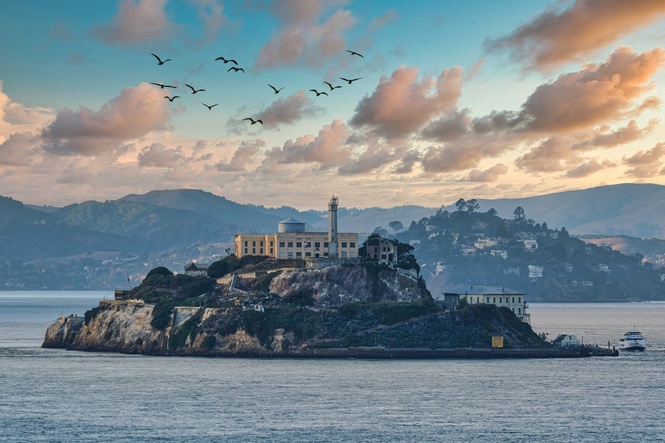
Almost two million people visited the Auschwitz museum on the former concentration camp site in Poland last year. The United States island where the notorious Alcatraz prison once operated welcomes around 1.2 million visitors annually. Just under 15 million people took a trip to Hiroshima throughout 2025, the 80th anniversary of the atomic bombing that devastated the city.
It is clear that travelling to places associated with death and tragedy, referred to as “dark tourism”, has widespread popularity. But the reasons behind parting with money to confront uncomfortable topics on holiday still mystify many.
From monuments to museums, areas where atrocities took place and the remains of natural disasters, tourists are drawn to sites that now serve as places of remembrance of lives lost and also as a reminder of what the world is capable of.
Everyone has their motives for visiting these heart-rending sites: for some, it’s confronting a part of their past or family history, and for others, it’s the immense intrigue and motivation to learn the history of an event, no matter how heinous.
Whether it’s looking upon a pile of personal belongings left behind by those killed at Auschwitz or reading the names of people who lost their lives at the 9/11 memorial, these sites remain important to those who have a personal connection to the tragedies and offer the chance for others to partake in keeping memories of those affected alive.
What is dark tourism?
The basic definition of dark tourism is visiting a place that is associated with a tragic event in history, usually surrounded by death and suffering.
Dr Philip Stone, who founded the Institute of Dark Tourism Research at the University of Central Lancashire in 2012, told The Independent that dark tourism chiefly portrays and commemorates “our noteworthy dead within visitor economies, through museums and exhibitions, monuments and sites, as well as visitor attractions”.
“It represents tragedies or calamities for the contemporary tourist experience and the ‘difficult heritage’ that often entails,” he said. “Dark tourism is bound up in contested memory, memorialisation, and the visitor experience.”
“The dead in dark tourism can warn us of our own fights, follies, or misfortunes,” he added.
Some people are not totally on board with dark tourism. This might be due to concerns about tragic sites becoming commercialised or because it’s not how certain countries want to represent themselves in the tourism sector.
Dr Stone explained that dark tourism is “full of managerial dilemmas” and “political quandaries” as visiting places with a dark past can be “ethically laden”.
Read more: With its recent troubles is Cambodia still a good tourist destination?
What isn’t dark tourism?
Why humans are drawn to dark tourism has been studied by academics extensively. At the Institute of Dark Tourism Research, they examine the multi-dimensional aspects of dark tourism in society and culture, and the business of managing such provocative visitor sites, museums, and attractions.
“The line between commemorating and commercialising the dead is becoming increasingly blurred,” said Dr Stone. “Whilst we never encounter the corpse in dark tourism, we encounter touristified narratives of the demise and the significant dead can mediate our own sense of mortality.
“Dark tourism can entail a kind of secular pilgrimage where journeys in the footsteps of the dead are made, for instance at battlefields or at conflict sites.
“Ironically, in a world that seems to spin ever faster, dark tourism is focused on death and the dead, but it perhaps tells us more about life and living.”
The creator of the online guide dark-tourism.com says that the practice is a “respectful and enlightened” engagement in history and its dark sides, in a way that educates people without sensationalising events of the past.
The website adds that there are several misconceptions about dark tourism, such as that it includes visiting impoverished areas, known as “slum tourism”, visiting current war zones (”war tourism”) or taking part in extreme activities that could put people in danger, such as exploring caves (“danger tourism”).
Dark tourism also does not promote tourists being disrespectful at historical sites, the website says, such as what has been seen over the years at Auschwitz with people taking selfies or posing for photos.
Many monuments, museums and places of interest aim to be places of remembrance where people can come to terms with history, while also serving as stark reminders.
Dr Duncan Light, a principal academic in tourism management at Bournemouth University who has written review papers on dark tourism research, told The Independent that there are many other misconceptions about dark tourism.
“One of the big ones is that the people who visit places of death and suffering have a sick and morbid fascination with death,” he said. “However, there’s been a lot of research into why tourists go to places of death, and it’s found virtually no evidence of such motivations.
“Instead, the main reasons why people say they visit places of death and suffering are to do with learning about the past; remembrance of tragic events, connecting with tragic events by seeing for themselves where it happened, paying respect to victims of suffering, visiting places associated with their family’s history and visiting places that are significant for national identity.
“None of these motives are particularly dark,” Dr Light added.
Read more: What is ‘danger tourism’? Why tourists take extreme risks for travel experiences
Dark tourism places of interest
1. Auschwitz-Birkenau
Poland
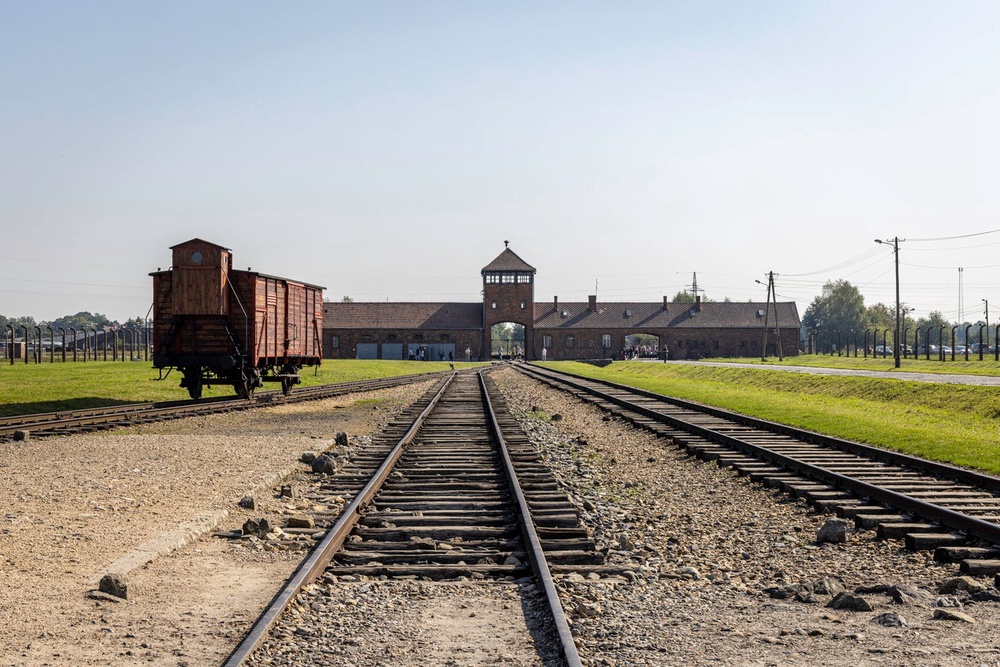
One of the largest Nazi concentration camps, Auschwitz was established in 1940 and built more than 40 sub-camps that exploited prisoners as slave labourers. In less than five years, at least 1.1 million people were murdered at the camp; no other camp or extermination centre under the Nazis saw the level of mass murder of Jews as Auschwitz did during the Second World War. Today, the site is a museum, where the original camp blocks and barracks stand, and tens of thousands of objects have been preserved. Personal possessions such as shoes, suitcases, camp garments and works of art made by prisoners are on display, as well as objects that bear testimony to the living conditions within the camps. The memorial and museum are found in Oświęcim, Poland and are open almost every day of the year. Almost two million people visited the museum in 2025, a seven per cent increase on the previous year.
2. Chernobyl
Ukraine
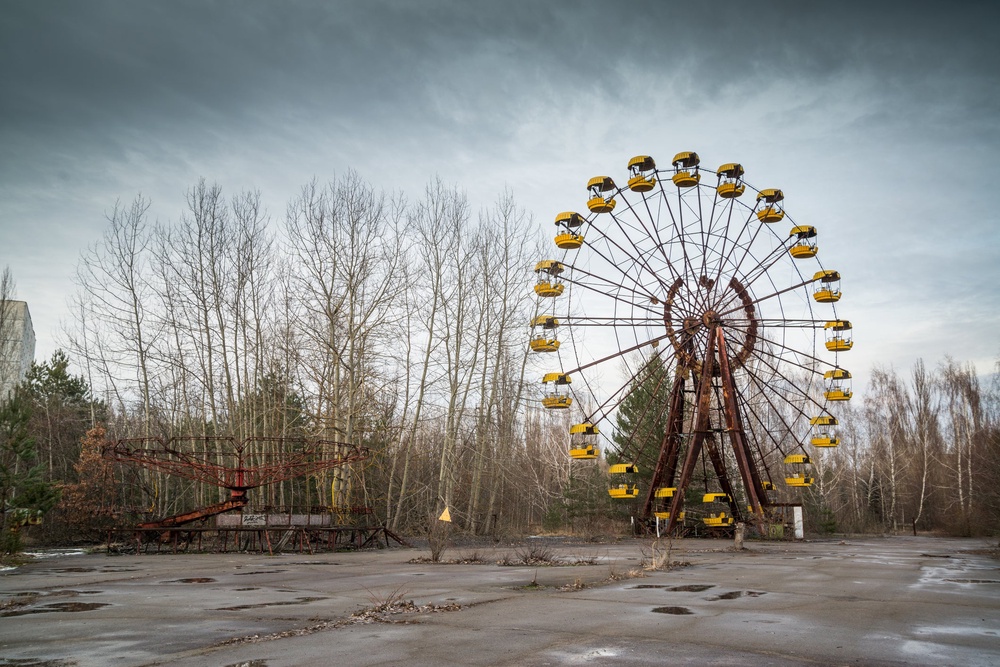
The Chernobyl nuclear power disaster in 1986 forced around 350,000 people to eventually evacuate and left 28 dead from acute radiation syndrome, along with two who died on the night of the explosion – though some say it is likely more people died. The explosion and fires released at least five per cent of the radioactive reactor core into the environment. As a result of the Ukraine-Russia war, tours of the exclusion zone are currently not running, but the site has been frequently visited by many dark tourist enthusiasts in the past. The UK Foreign Office currently advises against all travel to parts of Ukraine.
3. National 9/11 Memorial & Museum
New York, USA
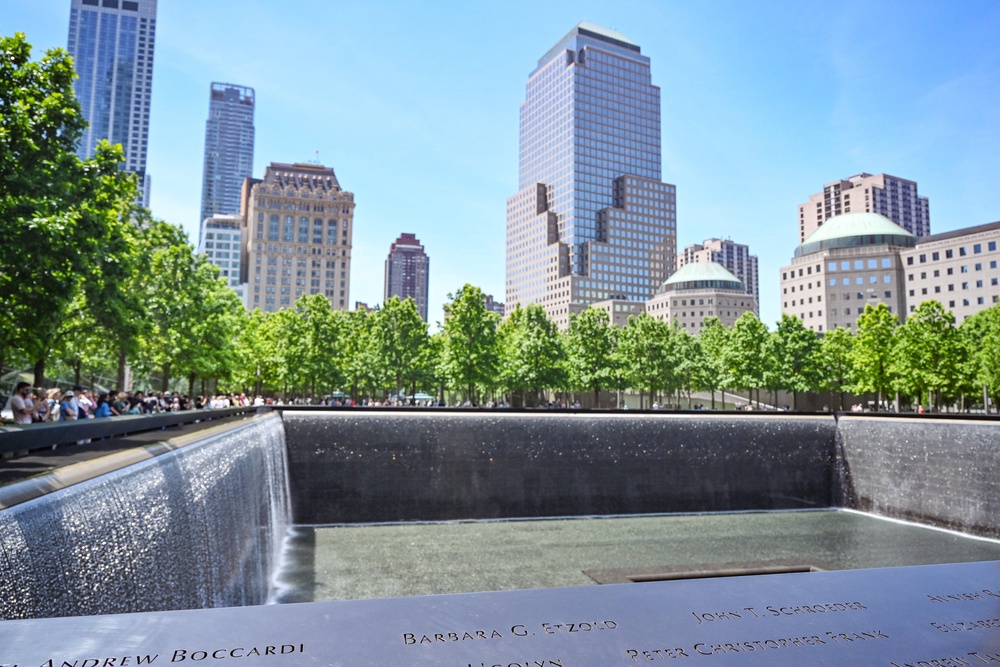
Located at the World Trade Center in New York City, often referred to as ground zero, the 9/11 Memorial & Museum was created to tell the story of the 9/11 terror attacks in 2001 and the 1993 World Trade Center bombing. On the site where the twin towers once stood, the museum has a collection of artefacts, media and narratives that tell personal stories and give visitors the opportunity to learn about the history of the attacks and the aftermath. Also at the site is a memorial to the 2,977 people killed on 9/11, as well as the six people killed in the 1993 bombing, with the names of those who died inscribed on bronze parapets. The memorial is open daily, while the museum is open Wednesday to Monday. Its newest exhibition, which opened this year in commemoration of the 25th anniversary of 9/11, examines the countless acts of service that followed the tragedy.
Read more: Welcome to Gander, Newfoundland, the kindest place in the world
4. War Remnants Museum
Ho Chi Minh City, Vietnam
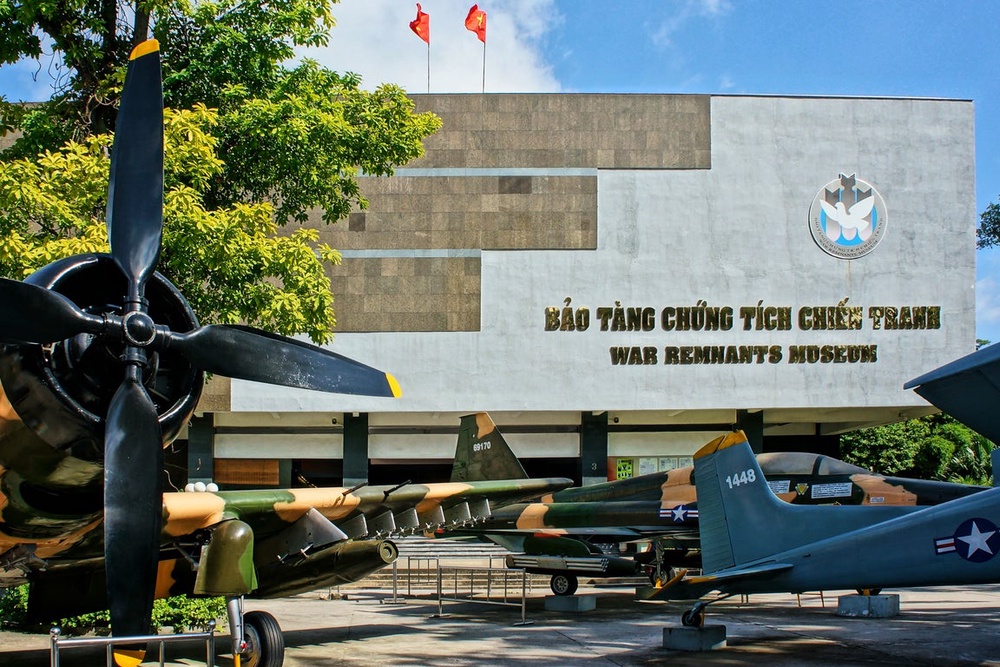
The War Remnants Museum has nine permanent exhibitions, each displaying photos, documents and artefacts relating to the Vietnam war and the first Indochina war. The exhibitions tell the story of the atrocities, politics and history through the eyes of photojournalists, as well as with artefacts such as torture devices from prisons and information from people around the world who stood in solidarity with the Vietnamese during the war. Two exhibitions are dedicated to Agent Orange, a chemical herbicide used by the US military during the war that contaminated 2.6 million hectares of land and caused serious health impacts on millions of Vietnamese and future generations. The museum is regarded as one of Ho Chi Minh City’s most prominent cultural sites and is open every day.
5. Pompeii
Italy
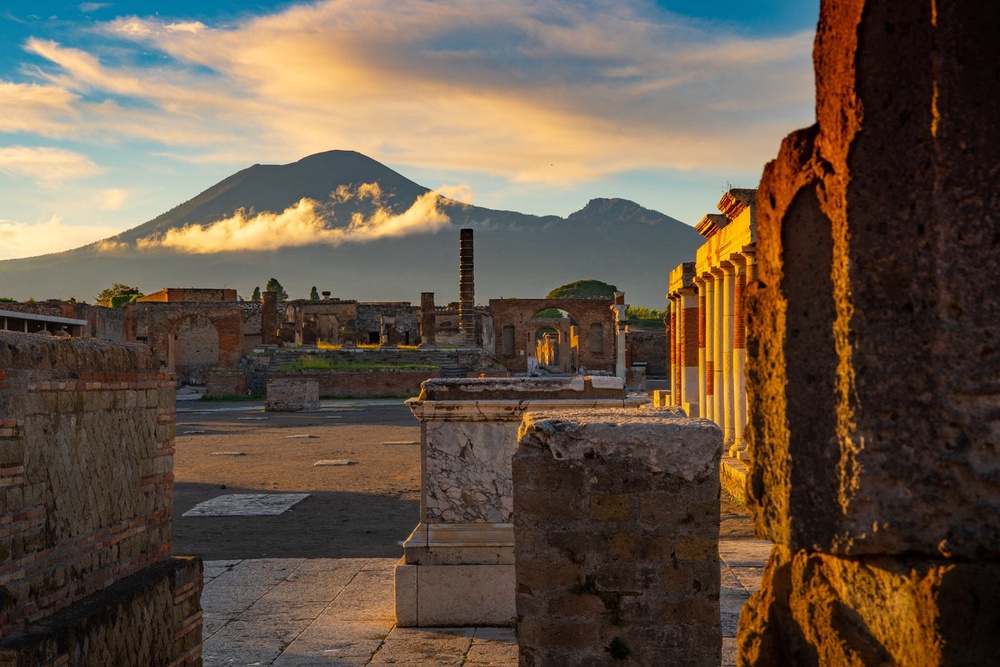
While this Unesco World Heritage site does not deliver the same contemporary history as other dark tourism destinations, the archaeological site of Pompeii still attracts many visitors to bear witness to the area that was engulfed by Vesuvius’s eruption in 79AD. The eruption of the volcano buried two Roman towns, Pompeii and Herculaneum, being buried by volcanic ash along with thousands of residents. The excavations can be visited from Naples, Italy and the site is open year-round. Due to record numbers of visitors causing issues in 2024, Pompeii now has a daily limit of 20,000 admissions year-round.
6. Crumlin Road Gaol
Belfast, Northern Ireland
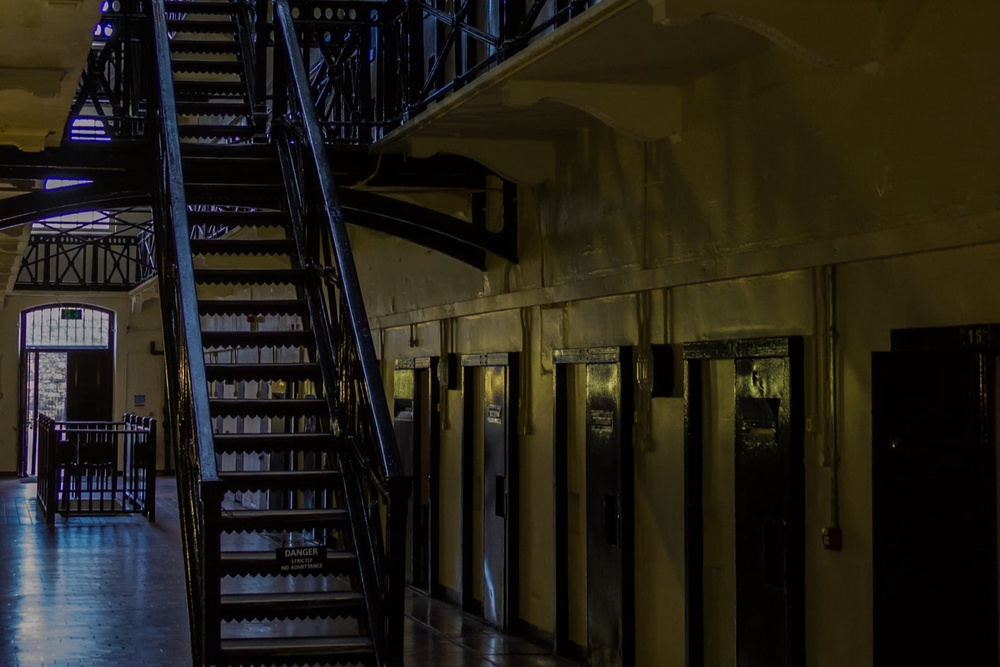
While Crumlin Road Gaol offers experiences more suited to visitors interested in ghost-hunting and the supernatural, the former Northern Irish prison also draws dark tourists who want to learn about the over 150 years of justice history, such as the detention of both republicans and loyalists during the Troubles and the imprisonment of suffragettes. The prison was open between 1845 and 1996, and during this time 17 people were executed, numerous escapes were undertaken, and many infamous inmates were detained. A self-guided tour will take visitors through an underground tunnel that once connected the gaol to the Crumlin Road Courthouse, view all the wings from the circle, and pay a visit to the condemned man’s cell, before seeing the execution cell where the majority of death sentences were carried out. Crumlin Road Gaol is open seven days a week.
7. Choeung Ek Killing Fields
Cambodia
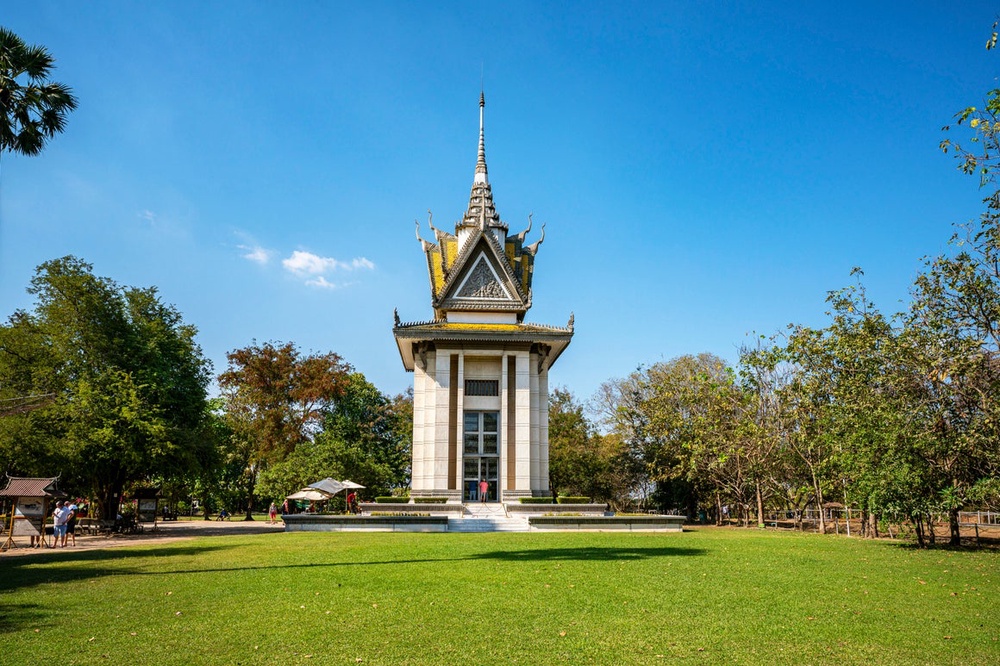
The Choeung Ek Genocidal Center sits on the former mass execution site used by the Khmer Rouge regime to kill the vast majority of 18,000 prisoners at S-21, a notorious interrogation centre, and is one of the well-known Killing Fields. The brutal regime, whose supposed goal was to make Cambodia into an agrarian utopia, claimed the lives of around two million people through murder, starvation and disease. At Choeung Ek, a large Buddhist stupa with glass fronting shows stacks of skulls of more than 5,000 victims whose remains were found in the surrounding graves. The Tuol Sleng Genocide Museum, also in Phnom Penh, at the site of the former S-21 interrogation site and detention centre, has exhibitions giving visitors a chance to learn about the history, living conditions and lasting impact of the Khmer Rouge regime. The museum is open every day.
8. Kigali Genocide Memorial
Rwanda
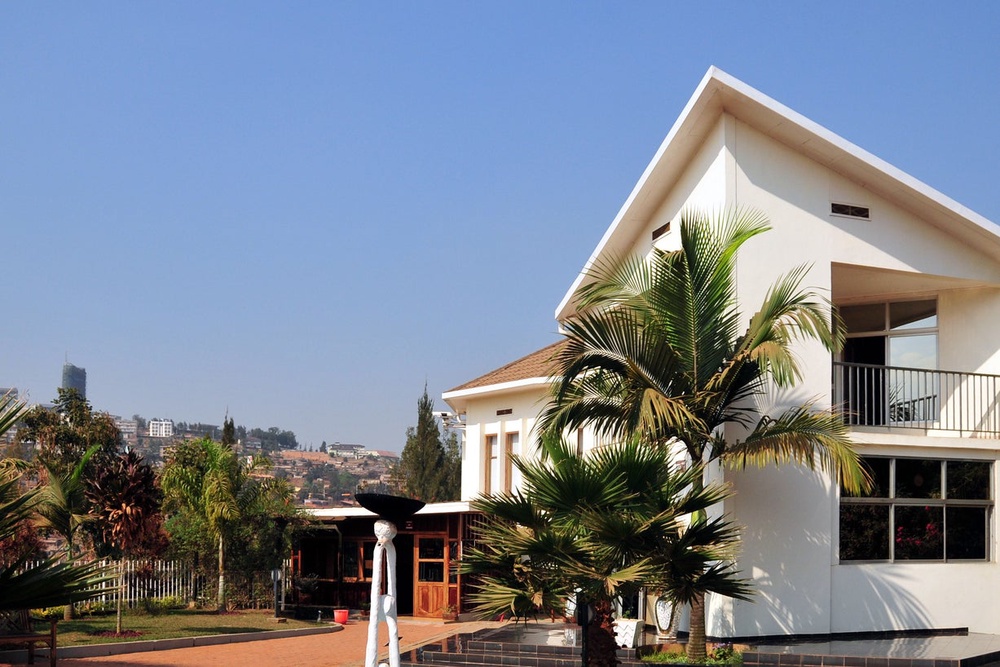
The Kigali Genocide Memorial was opened as a place of remembrance, dedicated to the victims of the genocide in Rwanda in 1994 that saw some 800,000 killed. The Rwandan genocide happened in just 100 days, led by Hutu militias who targeted the Tutsi minority community and some moderate Hutus. The memorial sits next to mass graves, the final resting place of 250,000 people killed, and includes three permanent exhibitions, the largest of which documents the genocide. The museum can be visited through a guided tour that is often led by survivors or an audio guide. The memorial is open seven days a week and no visitors under the age of 12 are permitted to visit.
9. Hiroshima
Japan
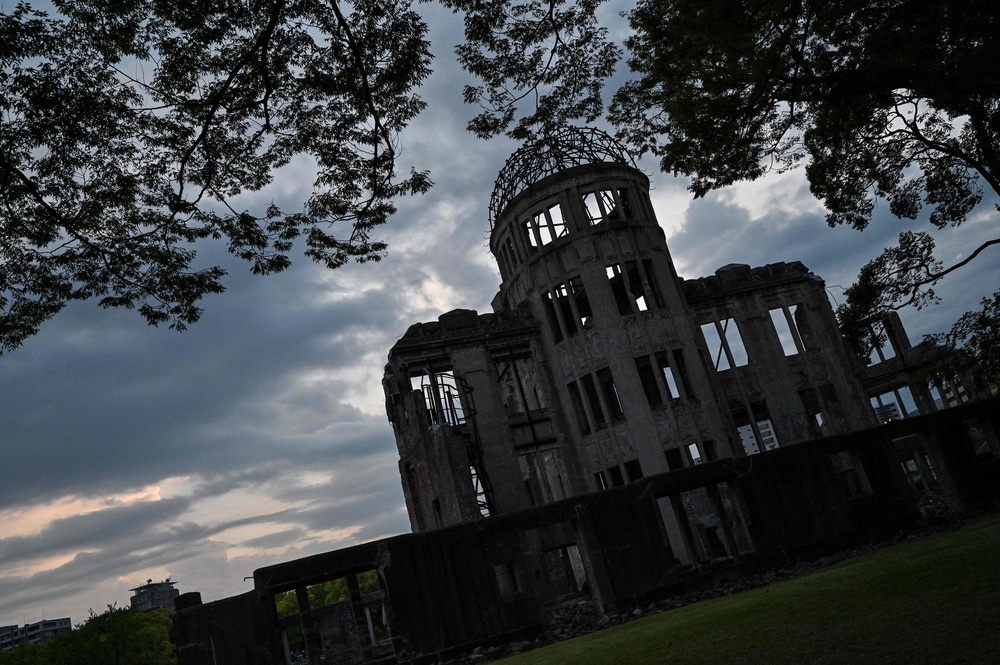
At 8.15am on 6 August 1945, the Japanese city of Hiroshima was devastated by an atomic bomb, the first to be used as a weapon of war. Around five square miles of the city were destroyed, and about 140,000 people were killed by the explosion or the effects of burns and radiation. There are several sites around the city where visitors go to remember the victims or learn more about the history. The Hiroshima Peace Memorial, commonly known as the Atomic Bomb Dome, is the only structure left standing in the area where the bomb exploded and has been preserved by the city. Just across the river is the Hiroshima Peace Memorial Park, home to an arched cenotaph that contains registries of the names of all known victims and the Atomic Bomb Memorial Mound, which is placed in the ashes of thousands of unclaimed or unidentified victims. At the other end of the park is the Hiroshima Peace Memorial Museum, which houses exhibitions of personal belongings left behind by victims, testimonies from survivors and photographs from the time. The museum is open every day for most of the year.
10. Alcatraz Island
United States
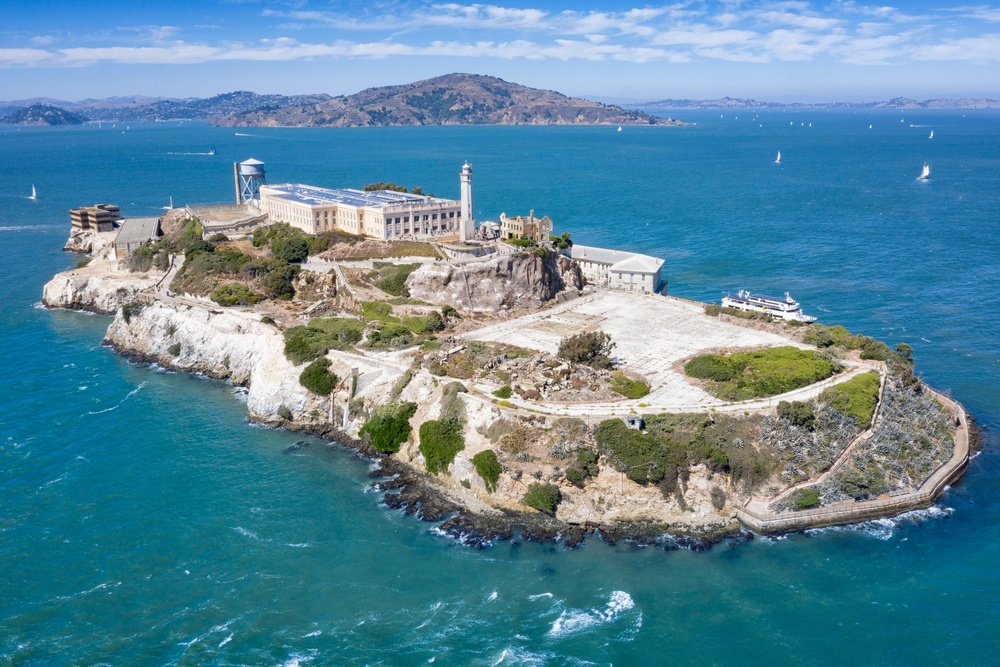
Alcatraz, a small island just off the coast of San Francisco, was once home to one of the most well-known maximum-security federal prisons. It also served as a military fortification, military prison and was also occupied for 19 months by a Native American community. Today, the island is a state park accessible by an Alcatraz City Cruise ferry, which provides visitors with an audio tour of the main three-story Cellhouse. Several high-profile criminals were locked up on the island, including Al Capone, George "Machine-Gun" Kelly, Alvin Karpis (the first "Public Enemy #1"), and Arthur "Doc" Barker. It also once housed Robert Stroud, known as the "Birdman of Alcatraz", who spent 54 years of his life behind bars. Most of the prisoners incarcerated at Alcatraz were sent there after refusing to conform to the rules at other penitentiaries, were considered violent and dangerous, or were believed to be escape risks.
Read more: The Arkansas spa town where America’s most dangerous mobsters came to relax
Read MoreWhere is hot in December? Best winter sun holiday destinations 2026
Travel like James Bond: the 007 filming locations you can visit
Where is hot in November? Best holiday destinations for late autumn sun
Where is hot in October? Autumn destinations for shoulder season sun
I’m a travel expert and this is where I’d book for a November holiday
I’ve stayed in over 70 Airbnbs solo, here’s what you need to know before you book