
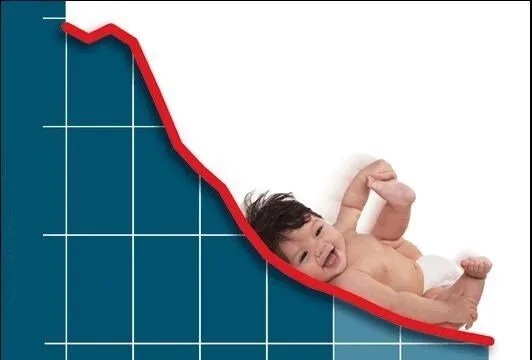
Sure, we’ve all seen the news about Malaysia’s declining birth rate. But are we truly aware of what could happen if this trend continues? Let’s take a closer look—not just at the national impact, but also how it might affect individuals like you and me.
1. Increasing Pressure on Healthcare
With fewer babies being born, Malaysia’s population is ageing rapidly. According to the Department of Statistics Malaysia, the proportion of people aged 60 and above is expected to rise from 13.5% in 2020 to over 20% by 2040. This means more demand for healthcare services, especially for chronic illnesses common among older adults. The government will need to invest heavily in medical facilities, caregiving, and workforce training to support this growing elderly population.
2. Mindset Shifting
For many in the current generation, having just one child—or even choosing not to have any—is becoming a common mindset. It’s no secret that raising children in Malaysia can be expensive, from education costs to daily living expenses. The high cost of living and raising children plays a big role; studies show that the average cost to raise a child to 18 in Malaysia can exceed RM300,000. Additionally, with advances in technology and a focus on personal comfort and career, many prefer lifestyles that don’t revolve around child-rearing. This shift in mindset is not new, but it’s growing stronger, and experts predict it will continue to influence birth rates in the coming years.
As a result, some people believe that focusing on personal happiness and comfort is more important than expanding their family. With advances in technology and more lifestyle options than ever, priorities are shifting. This changing mindset could further contribute to the declining birth rate as more individuals choose smaller families or opt out of parenthood altogether.
3. Changing Social Dynamics & Community Life
With smaller families and fewer children, Malaysia’s traditional social structures are expected to shift. Community activities, schools, and local businesses that rely on larger families may face decline. More concerningly, loneliness and social isolation among the elderly are predicted to increase if younger generations continue to shrink and are less able to provide support.
Important Facts:
- In 2023, Malaysia’s elderly population aged 65 and above was estimated at 2.5 million, expected to rise to 4.5 million by 2030.
- Studies show that 32.6% of elderly Malaysians experience social loneliness, 39.9% emotional loneliness, and 9.2% family loneliness.
Key factors contributing to this include living alone, lack of social support, chronic health problems, and changing family structures.
These changes highlight the urgent need to strengthen social networks, community support, and policies that help elderly people stay connected and cared for in a rapidly evolving society.
4. Limited Social Support Networks
As Malaysia's birth rate declines, family sizes shrink, leading to fewer siblings and relatives available to provide support during times of need. This trend increases the risk of social isolation, particularly among the elderly.
Research indicates that older individuals with fewer family members are more likely to experience loneliness. A study by Teh et al. found that older Malaysians who co-reside with their adult children report lower levels of loneliness compared to those living alone . Additionally, a report from the Malaysia Population Research Hub highlights that 79.6% of elderly Malaysians still depend on their children for support, especially financial assistance.
As family structures change, it's crucial to consider the implications for social support networks and the well-being of older individuals.
So, do these four points help you understand the impact of declining birth rates on individuals? We’d love to hear your thoughts! How do you think this trend might affect you, your family, or your community? Share your views with us!
Mimiana S. is a content creator under the Newswav Creator programme, where you get to express yourself, be a citizen journalist, and at the same time monetize your content & reach millions of users on Newswav. Log in to creator.newswav.com and become a Newswav Creator now!
The User Content (as defined on Newswav Terms of Use) above including the views expressed and media (pictures, videos, citations etc) were submitted & posted by the author. Newswav is solely an aggregation platform that hosts the User Content. If you have any questions about the content, copyright or other issues of the work, please contact creator@newswav.com.
