

On a viral TikTok clip earlier this year, a young traveler in London opened her British passport at a café, and before sipping her flat white she mused: “Blue again. They say this color means freedom, but it also feels like part of something much bigger.” The video sparked thousands of comments and for good reason. What may seem like a simple design choice actually carries a powerful and often hidden meaning: the color of your passport reflects the identity, history, and geopolitical alignment of your country.
More Than a Cover
You might think passport colors are random, or purely aesthetic. But passport hue is often a deliberate choice. While the International Civil Aviation Organization (ICAO) defines the size and format of passports, it does not dictate what color they should be. That freedom lies with each sovereign state. (TODAY)
According to Hrant Boghossian, vice-president of Arton Group (the company behind the Passport Index), most countries stick to just four main colors: red, blue, green, and black. (TODAY) Within each color family there may be dozens of shades but each broadly signals something deeper about national identity, politics, or religious tradition.
According to data from the Passport Index, out of nearly 200 tracked countries:
- 83 use blue passports
- 67 use red
- 42 use green
- 7 use black (Passport Index)
What Each Passport Color Symbolizes
Here’s a breakdown of what each color most commonly represents and real-world examples to illustrate.
Blue The “New World” and Liberal Identity
Many blue passports are held by countries in the Americas, Oceania, and some parts of Asia. (Visa to Travel)
Blue often symbolizes openness, progress, and economic freedom. Some countries see it as a declaration of modern identity.
A striking example is the UK, which controversially returned to a dark blue passport after Brexit. The change was framed as reclaiming national identity. (Reuters) Home Secretary Priti Patel said the blue and gold design “would once again be entwined with our national identity.” (Reuters)
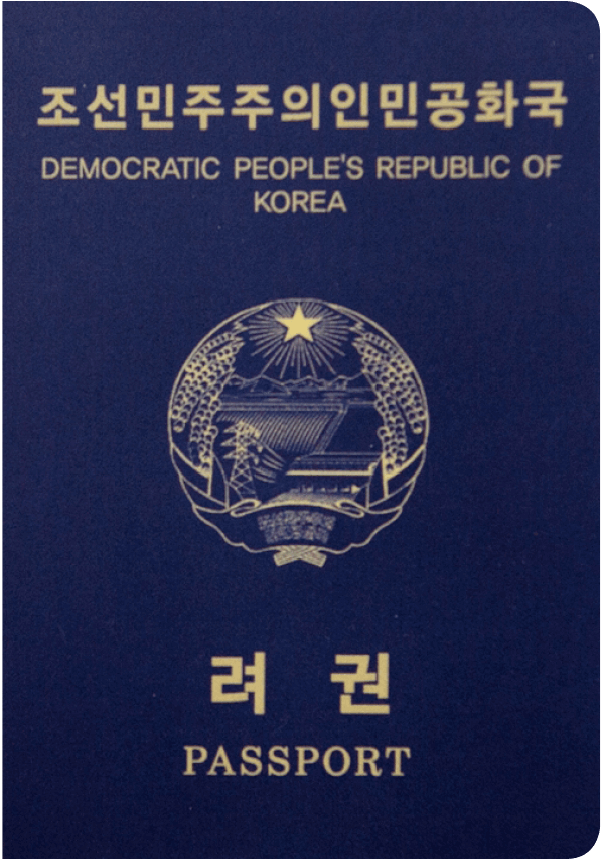
Red Power, Tradition, and Political Legacy
Red passports come in many shades’ bright red, burgundy, maroon. In Europe, especially within the EU, burgundy is very common. (detikcom)
In some countries, red signals a connection to socialist or communist history. (Visa to Travel) For Christian-majority nations, the color also echoes tradition and authority. (Sterling Holidays)
For instance, many EU states still use burgundy passports, and nations like China also use a deep red cover to reflect legacy and strength.
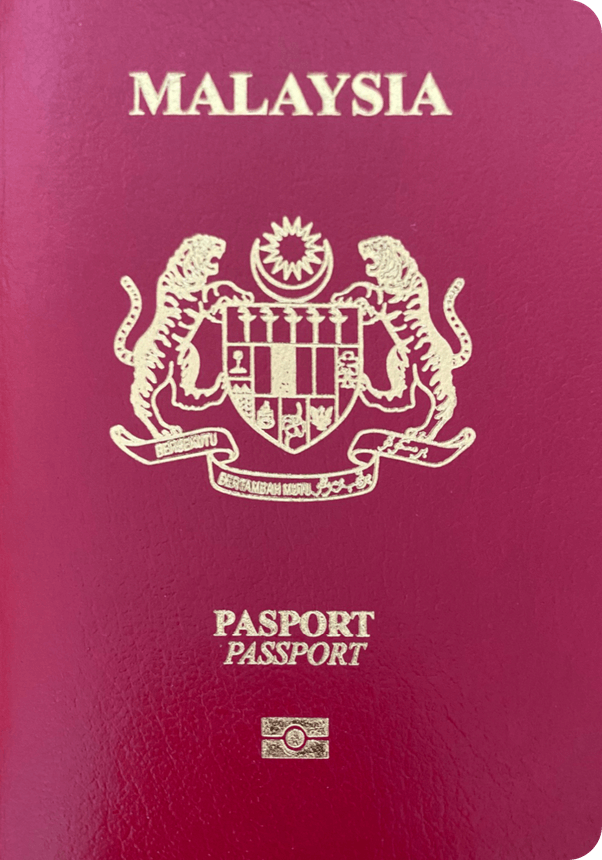
Green Faith, Nature, and Cultural Heritage
Green is often deeply symbolic. In many Muslim-majority countries, green is sacred it’s widely associated with Islam and believed to be the Prophet Muhammad’s favorite color. (Esquiremag.ph)
Some African nations also use green passports, particularly countries in ECOWAS, the Economic Community of West African States. (Esquiremag.ph)
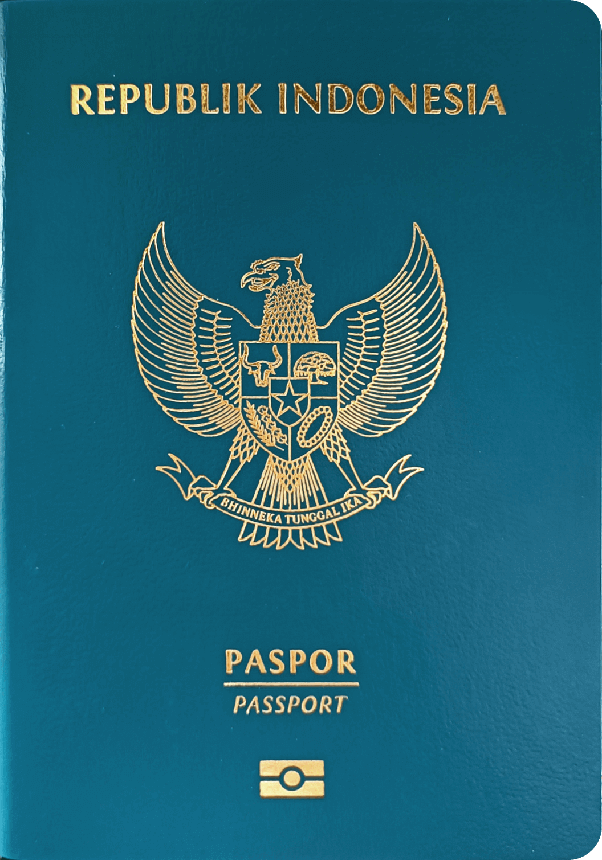
Black Rarity, Local Identity, and Practicality
Black passports are the rarest. (Passport Index)
In some African nations such as Zambia or Botswana black reflects national or cultural identity. In New Zealand, black is actually a national color, and the passport design nods to that. (Jagranjosh.com)
On a practical note, darker covers show less dirt and wear, a subtle but useful advantage. (Visa to Travel)
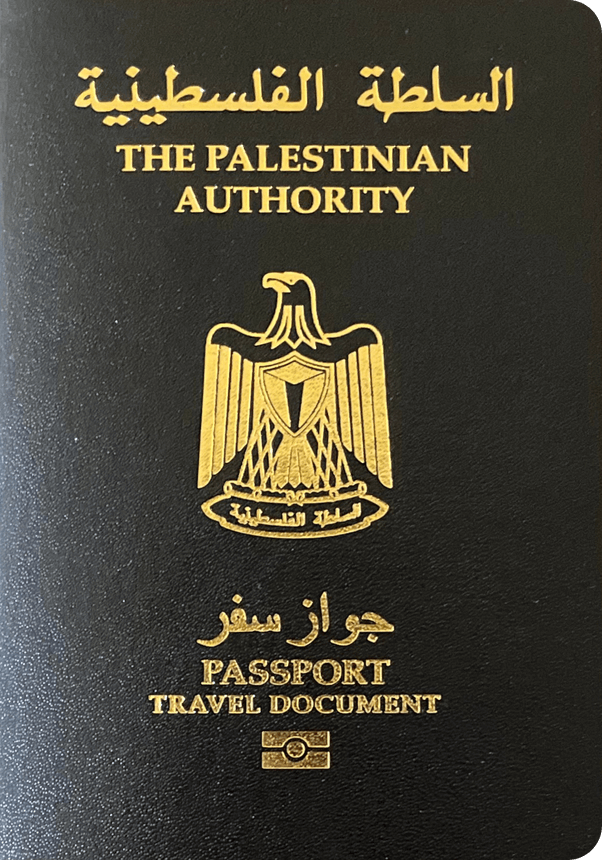
Real-World Implications. Identity, Politics, and Mobility
Identity Through Design
Changing passport color isn’t just aesthetic it’s deeply symbolic.
- When the UK reverted to blue, many saw it not only as nostalgia but as a political statement post-Brexit. (Reuters)
- South Korea recently switched its passport from green to blue, citing not only security upgrades but also a fresh national identity. (Passport Index)
Color becomes part of how a country presents itself to the world and how citizens feel represented.
Political Alliances and Regional Blocs
Some passport colors map to political or economic groups.
- Many EU nations use burgundy red passports. (Visa to Travel)
- In South America, several Mercosur-member countries (like Brazil, Argentina, Paraguay) use blue passports, signaling shared regional ties. (TODAY)
Religious Symbolism
For Muslim-majority nations, green isn’t just a color it speaks to faith, tradition, and cultural continuity. (Esquiremag.ph)
It is more than symbolism; it shapes a national narrative.
Practical Considerations
Beyond symbolism, practicality sometimes matters. Black passports may be selected because they hide wear better. (Visa to Travel)
Also, some nations update passport designs to improve security, and color plays a part. For example, when South Korea changed to blue, they also upgraded the passport’s security features. (Passport Index)
The Human Side: What It Feels Like to Hold One
Consider this: for millions, their passport isn’t just a travel book it’s a daily reminder of belonging.
- A young Brazilian tourist showing her navy-blue passport in Paris might feel pride in the “new world” identity she carries.
- A Moroccan student holding a green passport could feel that deep connection to history and faith each time she travels.
- For a New Zealander with a black passport, it might be a humble but sturdy bookmark to home a design worn in dark polish, but rich in meaning.
Risks, Critiques, and Limitations
While passport color can speak volumes, it's not a perfect signal.
- A dark cover does not guarantee strong visa-free access. As reported by Detik, both American and Syrian passports are blue but their mobility is very different. (detikcom)
- There is also a risk that color-based assumptions reinforce stereotypes. Just because a passport is green does not mean the country is inherently religious or insular, and red doesn’t always equal authoritarianism.
- Moreover, color choices may change. Governments can and do redesign passports, altering the narrative. (TODAY)
Why It Still Matters
Passport color tells a story about how the world sees you, and how you see yourself.
- It reveals political leanings, historical experience, and cultural values.
- It offers a visual shorthand for alliances, religion, or national ambition.
- It can be a soft power tool: the color becomes part of a country’s brand on the global stage.
That seemingly mundane stamp-bound booklet tucked in your travel wallet is more than just a ticket to cross borders. It’s a symbol. The color on its cover reflects layers of your nation’s past and aspirations for its future.
So next time you glance at your passport, pause for a moment. The shade you carry is not incidental. It’s a quiet yet powerful declaration of identity your identity, and your country’s place in the world.
In a world fractured by boundaries, something as simple as color can quietly bind you to your homeland and to millions of others who travel under the same hue. Your passport may let you cross borders, but its color says where you belong.
AM World (tameer.work88@gmail.com) is a content creator under the Newswav Creator programme, where you get to express yourself, be a citizen journalist, and at the same time monetize your content & reach millions of users on Newswav. Log in to creator.newswav.com and become a Newswav Creator now!
The User Content (as defined on Newswav Terms of Use) above including the views expressed and media (pictures, videos, citations etc) were submitted & posted by the author. Newswav is solely an aggregation platform that hosts the User Content. If you have any questions about the content, copyright or other issues of the work, please contact creator@newswav.com.