Whether you are tidying up the garden or emptying pots and troughs, current conditions offer an ideal time to start a compost heap.
Phil Young, horticultural manager at The Eden Project in Cornwall, says those who only have room for a small compost bin should choose one which will have a wide enough lid or sufficient access to make the compost easy to turn.
“When we’re making compost we want to be able to turn it,” he says. “You can also buy compost bins that you spin.”
Place your bin on a flat surface, ideally on open ground or soil, which will allow the worms access to the contents to help break things down, he says.
Young offers this straightforward guide to successful composting:
1. What to put in
The ‘browns’ and the ‘greens’ should go in.
“Browns are cut-up or chipped woody material, egg boxes, cardboard or paper. The browns represent your carbon.
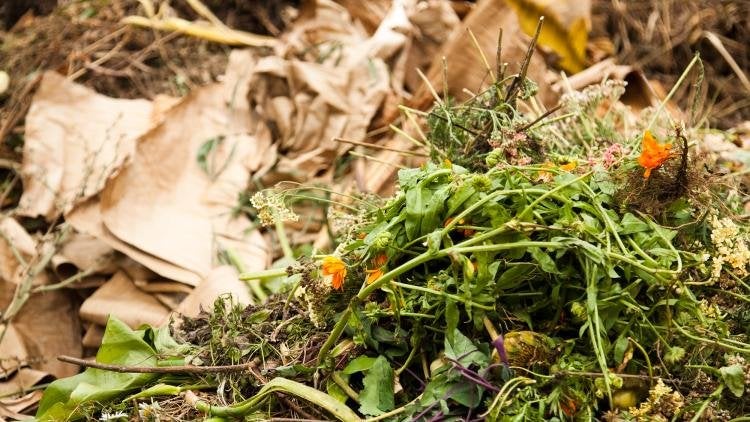
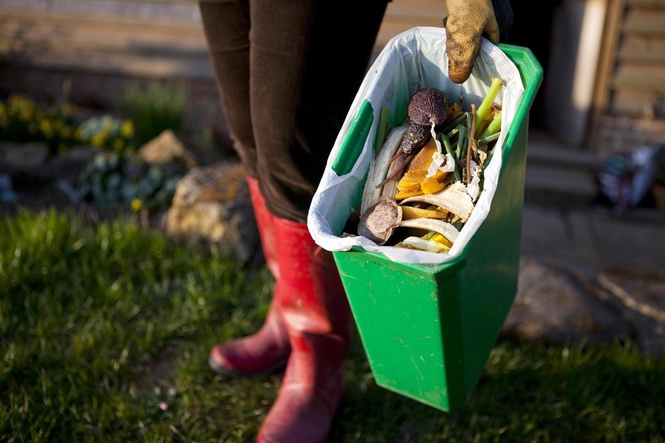
“Greens are nitrogen-rich material, so you want any green vegetative material, grass cuttings, some food waste such as disused vegetables and mouldy fruits. Veg tops can also go in, along with peelings, shredded green hedge clippings, even dead houseplants.”
If you’ve raked up dried brown leaves, they go with the browns, but if leaves are still green, they go with the greens, he says.
Some thick woody material such as branches, or tough leaves such as those of plane trees, should ideally be shredded before you add them because they will otherwise take far longer to break down. Anything that you can’t cut with secateurs that is bigger than your thumb should be reduced in size before you add it, he advises.
2. What to exclude
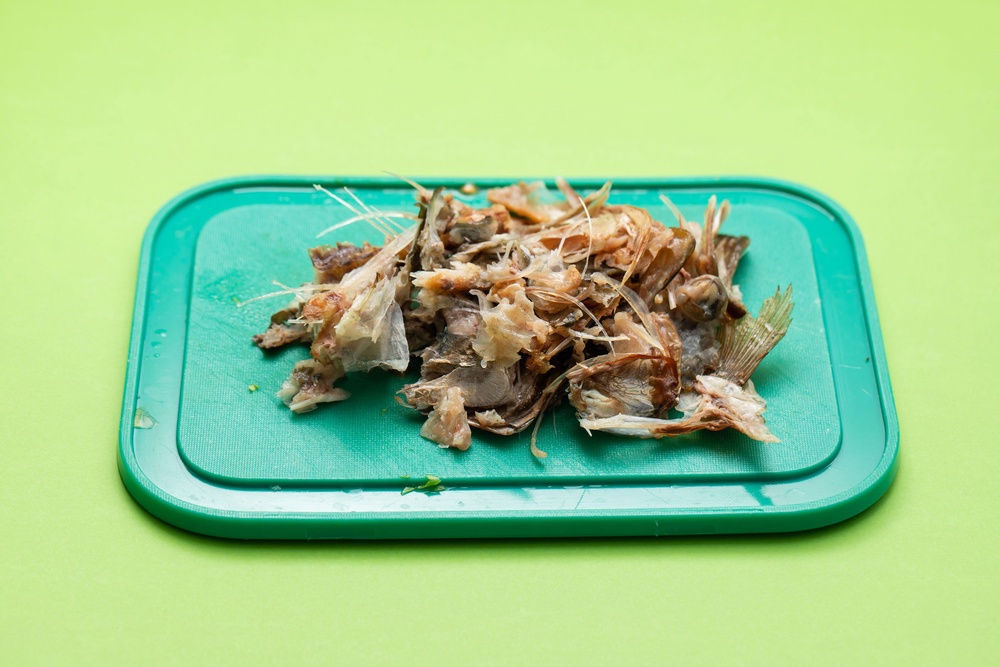
Do not put meat, fish, dairy products, processed foods or bread in your compost bin because they will attract vermin, he warns.
You can put old cooked vegetables in, but not if they’ve been cooked alongside meat or fish.
If you are planning on putting cardboard in, remove any tape around it and any areas where there is visible glue, he advises.
Scrunch it up before throwing it in, which will create air pockets in the mix.
Do not put pernicious perennial weeds such as ground elder, bindweed and docks in your compost bin as their broken roots can re-grow. Don’t add diseased leaves or other infected material to the mix.
3. Balance the ingredients
Make the ratio one part greens to two-to-three browns, Young advises.
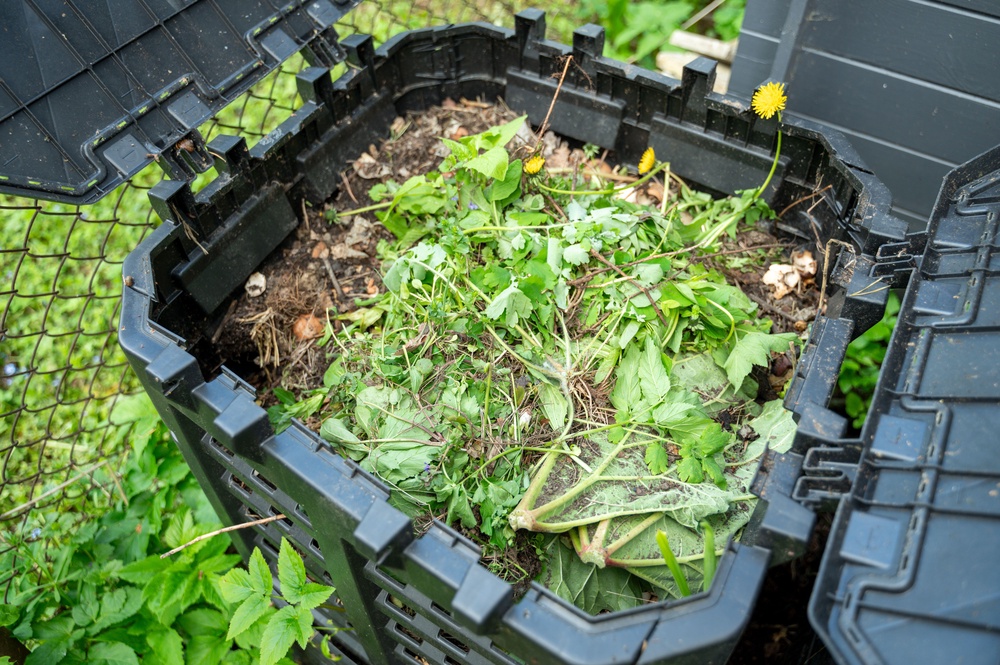
“If you just put green in, it becomes really nitrogen-rich and sludgy. Piles of grass cuttings end up going black and slimy.
“To balance this, layer your browns and greens like a cake or lasagne, adding one part greens to two-to-three browns.
4. Repurpose old compost from summer containers
Add the plant matter to the compost bin, but just put the old compost from your pots onto your flower beds and borders as a top dressing, he suggests.
5. Leave room to turn the compost
Fill your compost bin two-thirds full to give you room to turn it easily with a fork and move it around, he advises.
“It’s not a strict rule, but aim to turn your compost once a week, taking the lid off and getting the fork down to the bottom to mix it up.”
“It needs to feel warm,” he continues. “If it feels cold, you might want to leave it a bit longer. If it’s feeling warm, you can start to turn it and then let it get back up to temperature.”
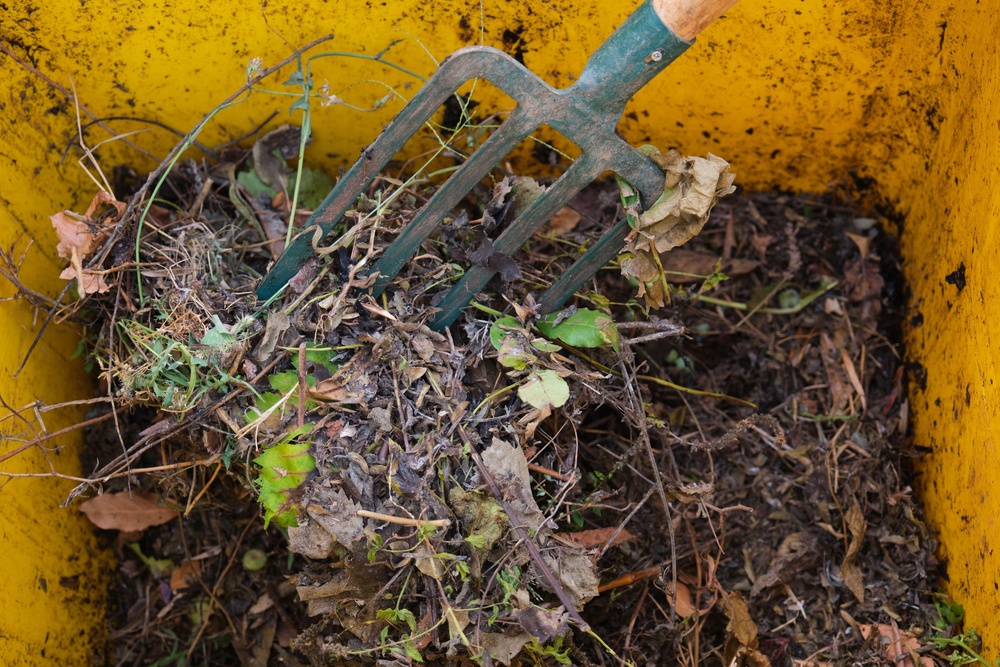
Even in winter, you should be turning your compost, he says.
“It’s the microbes’ activity and the worms moving through it that will create the heat,” he explains. “If your compost heap is cold and hasn’t got a crumbly texture, you probably need to add some carbon and get that microbial activity going.”
6. Recognise when it’s ready
Home-made compost can be ready in as little as a month, but can take longer, says Young.
“Don’t worry about the calendar, just watch the compost and how it looks.
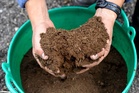
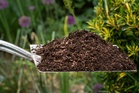
“The texture you’re aiming for is dark, crumbly, of an even particle size, and it should smell healthy, like a woodland floor.”
You can use it for virtually all jobs, but Young doesn’t recommend propagating with it. It’s ideal to use as a mulch to enrich the soil.
Read MoreSix colourful houseplants to bring autumnal tones into your home
Experts reveal eight plants you should prune this September – and those you can leave
I felt lost and burnt out – here’s how I reinvented my career, and you can too
This Week in History: Germany is reunified and OJ walks free
Dietitian shares key clue that reveals how healthy your jar of peanut butter is
We fell in love on Blind Date 34 years ago – will the show’s return ever be as good?