
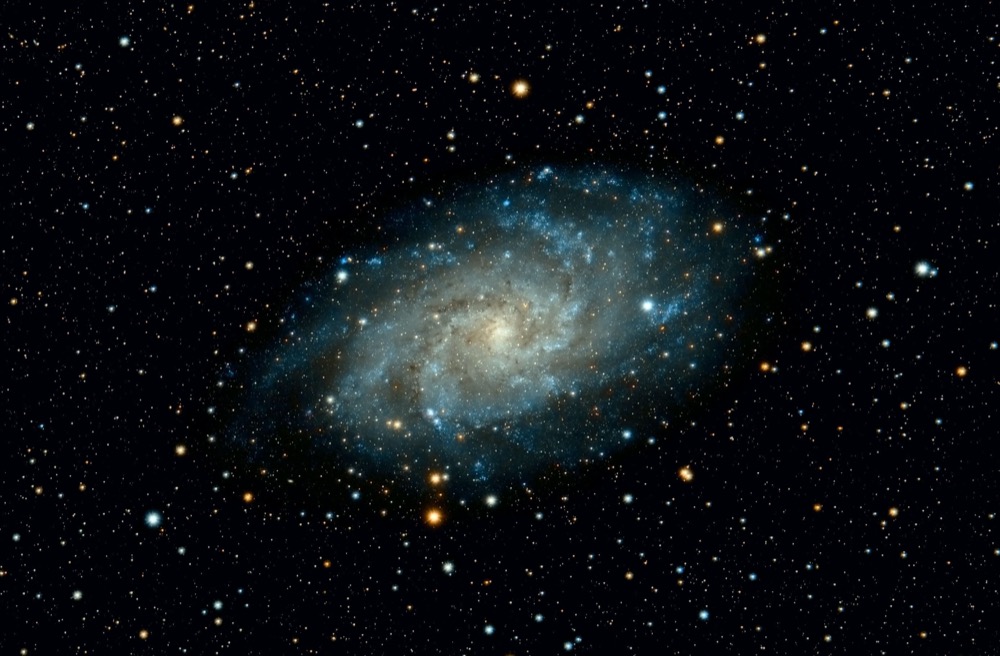
The Perseids Meteor Shower, one of the most anticipated annual events for stargazers in the Northern Hemisphere, will be active in the night sky from July 17 to August 23, 2025. This meteor shower is known for its swift and bright fireballs, which often leave colourful streaks of light behind. In Malaysia and Singapore, the best times to view the meteor shower are expected to be from 3 am to 6 am on the mornings of August 12 and 13, 2025.
Perseids Meteor Shower 2025: All you need to know for your stargazing expedition
View this post on Instagram
The radiant of the meteors, which is the point in the sky where the Perseids seem to originate, is located in the constellation Perseus. However, the meteor shower actually comes from comet 109P/Swift-Tuttle, with approximately 50 to 100 meteors streaking across the summer night sky each hour.
The best time to view meteors is during the pre-dawn hours, although it is sometimes possible to see them as early as 10 pm. The meteor showers are expected to peak on the nights of August 12 and 13, 2025. However, a bright full Sturgeon Moon may wash out all but the brightest meteors, which could hinder stargazers’ plans. From July 18 to July 28, the skies are expected to be darker due to the new moon on July 24, making this the best time for those in the Northern Hemisphere to witness the meteors in all their glory.
Tips to help you catch the celestial show in action
- To avoid light pollution, which is likely to hinder your viewing chances, head to places with minimal glow.
- Allow your eyes time to adjust to the dark (approximately 20 to 30 minutes). Avoid staring at screens or other light sources at this time.
- Check out stargazing apps that can help you find the Perseus constellation, from where the meteors seemingly appear.
- Plan to watch for at least an hour or so to make the most of your opportunity, since meteor showers often appear in bursts.
- Lastly, lie back and take it all in without binoculars or telescopes for wider coverage.
(Feature image credit: science.nasa)
This article first appeared here