

In the glittering world of Formula One, the champagne spray on the winners’ podium is as iconic as the trophies themselves. But in Malaysia, that tradition recently morphed into a global optics crisis - and one that strikes directly at the crossroads of culture, tourism, and corporate image.
The Incident: Apology After Podium Controversy
On a stage meant to celebrate speed and victory, Tan Sri Tengku Muhammad Taufik, CEO of Petronas, found himself in an uneasy spotlight. Though he did not drink the champagne, he acknowledged that participating in the champagne-spraying ritual was a misstep, even though it was reported that an alcohol-free premium sparkling rosé water, branded under Moët, was used instead of champagne.
Amid widespread backlash from Malaysia’s Muslim community, he issued a public apology, recognizing that even symbolic gestures can carry deep-seated cultural weight. Had he been a non-Malay, extremists might have called for his dismissal as corporate head of Petronas.
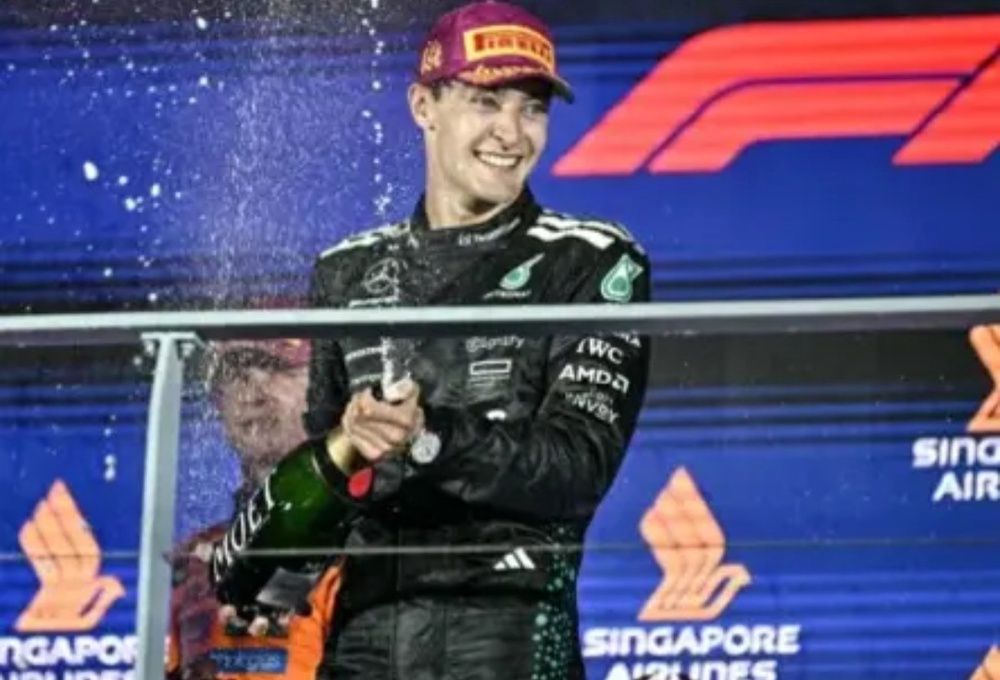
His statement reads as an acknowledgment that in Malaysia - a Muslim-majority country where alcohol remains a sensitive subject - celebrating with an alcoholic beverage, even in the context of global sport, can provoke controversy. The apology shows that in today’s fast-moving media world, what happens on the podium isn’t just part of the sport - it also affects a country’s image.
Tourism’s Tightrope: Serving Hospitality vs Upholding Values
Simultaneously, Malaysia's broader tourism strategy has recently come under fire, with Muslim extremists calling for the sacking of Tourism Minister Dato' Seri Tiong King Sing. During the Global Travel Meet (GTM), a gala dinner associated with the event - which was later clarified as privately sponsored - reportedly included the serving of alcohol, sparking public uproar and political finger-pointing.
Critics argue that a government-linked event should align with the country’s Islamic identity, while defenders maintain that global hospitality norms require such flexibility to attract international visitors.
The quake from that debate ripples into the F1 controversy. When a state-linked company like Petronas - deeply interwoven with national branding and tourism aspirations - becomes embroiled in optics around alcohol, it stresses the delicate balance Malaysia must navigate: being culturally grounded while projecting an image of openness and appeal on the international stage.
The Broader Stakes: Identity, Branding & Soft Power
1. National Identity vs International Appeal
Malaysia’s attempts to market itself as a welcoming destination for global tourists sometimes clash with conservative expectations at home. In such moments, symbolic acts - as small as a champagne toast - become battlegrounds over who “belongs” in Malaysia’s identity narrative.
2. Corporate Risk in Symbolic Acts
For Petronas especially, the fallout is more than a PR hiccup. As a national oil company with long-standing ties to sporting ventures like F1, its image is intimately woven into Malaysia’s global brand. A misread gesture - however innocuous in motorsport - can reverberate far beyond the racetrack.
3. Tourism & Sports as Soft Diplomacy
International sporting events and tourism campaigns are often wielded as soft power tools. But when they stumble over cultural sensitivity, they risk damaging the very reputation they intend to enhance. A single incident can turn “welcome” into “awkward spotlight.”
Moving Forward: Navigating the Tightrope
To survive and thrive in this optics age, Malaysian institutions may consider:
● Cultural foresight in event planning
Even globally familiar rituals should be weighed against local norms before they’re carried out in contexts tied to national brands.
● Transparent communication
When missteps occur, a swift, sincere, and culturally sensitive corporate response is essential, as demonstrated recently by the CEO of Petronas.
● Adaptive hospitality models
Rather than replicating global defaults, Malaysia could fashion hybrid protocols (e.g. non-alcoholic alternatives in official events) that respect domestic sentiment without alienating international expectations. These measures should be proactively communicated before and during events to prevent unnecessary uproar or backlash arising from misunderstandings.
Amid the noise of religious extremists overpowering the roar of engines and the sparkle of podium moments, Malaysia now faces a subtle yet potent image crisis. The so-called champagne may have been sprayed, but the question remains whether those celebratory showers will taint or refine the national brand moving forward.
By: Kpost
Information Source:
Kpost (ckhorsk@gmail.com) is a content creator under the Newswav Creator programme, where you get to express yourself, be a citizen journalist, and at the same time monetize your content & reach millions of users on Newswav. Log in to creator.newswav.com and become a Newswav Creator now!
The User Content (as defined on Newswav Terms of Use) above including the views expressed and media (pictures, videos, citations etc) were submitted & posted by the author. Newswav is solely an aggregation platform that hosts the User Content. If you have any questions about the content, copyright or other issues of the work, please contact creator@newswav.com.
