
Academics emphasize the urgent need for robust school safety management, student protection policies, and early intervention to prevent youth violence.
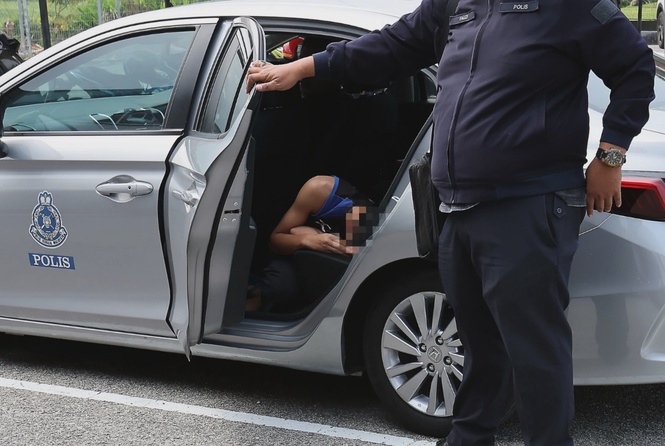
THE DEATH of a 16-year-old student at a school in Yong Peng on Oct 3 has again confronted Malaysia with a disturbing question: how safe are our children at school?
Police are investigating the case as a murder, and its circumstances and motive remain under investigation. It would therefore be premature to attribute this tragedy to bullying or any cause.
Nevertheless, it demands serious reflection on student protection, school discipline and institutional accountability.
Public concern often takes the form of a broader question: “What has happened to our students?”
Yet isolated, horrific incidents cannot establish that an entire generation has become more violent.
Such a conclusion requires reliable evidence over time. The more constructive question is whether families, schools and public institutions are adequately equipped to recognise danger, respond to misconduct and prevent escalation.
Youth violence requires an ecological understanding: behaviour develops through interactions between individuals, families, peers, schools and society.
The World Health Organisation identifies inconsistent discipline, inadequate supervision and harmful peer relationships among relevant risk factors.
These are possible influences, not explanations for every incident. Prevention consequently requires coordinated action rather than a single punishment or campaign.
For Malaysia’s Ministry of Education (KPM), the immediate priority should be implementation. Its official guidance already includes school safety management and student protection policies.
Following the Yong Peng incident, the ministry announced a review of attendance records, security controls and patrols. These commitments must translate into verifiable practices in every school.
First, safeguarding must cover the entire period during which students remain on school premises, including additional classes and extracurricular activities.
Schools should establish clear responsibility for attendance checks, unexplained absences, supervision and departure arrangements. Risk assessments should identify poorly supervised locations and periods.
Cameras may support investigations, but effective protection also requires attentive adults, functioning communication systems and rehearsed emergency responses.
Second, reporting must become safe and credible. Students need confidential channels to disclose bullying, threats, harassment, or fear without retaliation.
Every complaint should have a designated officer, documented action, and a clear escalation route. Allegations involving serious violence require immediate protective measures and referral to appropriate authorities. School reputation must never take precedence over a child’s safety.
Third, discipline should combine predictable consequences with opportunities for behavioural change. Rules must clearly distinguish classroom disruption from intimidation, repeated bullying and serious assault.
Sanctions should be proportionate, consistently applied, and supported by fair procedures. For suitable lower-risk cases, supervised restorative approaches can help students acknowledge harm and rebuild relationships.
However, victims should never be pressured into reconciliation, and restorative work must not replace necessary protection or criminal investigation.
Fourth, KPM should strengthen early intervention. Teachers need practical training to respond to disclosures, repeated aggression, credible threats and sudden behavioural changes.
Multidisciplinary teams should assess concerning behaviour and coordinate educational, counselling, health or police support where appropriate. Emotional distress must not automatically be equated with dangerousness; assessment should focus on behaviour, circumstances and specific risks.
Fifth, character education must become a daily practice. Lessons on empathy, emotional regulation, consent, respectful disagreement and digital responsibility should involve realistic situations and guided discussion.
WHO’s prevention guidance supports life skills education, whole-school approaches and parenting support. Schools should therefore teach students how to manage anger, seek help and intervene safely when peers are threatened. Adults must model the same respect they expect from children.
Parents also need structured support. Schools and parent–teacher associations should provide practical guidance on consistent boundaries, online conduct and responding to behavioural concerns.
Partnership should encourage early communication rather than become an exercise in assigning blame.
Finally, accountability must be measurable. KPM should monitor response times, repeated victimisation, students’ perceptions of safety and access to counselling.
A school reporting few complaints is not necessarily safe; students may lack confidence in reporting. Independent reviews should identify failures and ensure corrective action.
Malaysia needs schools where authority is firm, protection is reliable, and every child’s dignity matters.
Discipline succeeds when students understand boundaries, adults enforce them fairly, and warning signs receive timely attention. The strongest response to tragedy is sustained institutional change that makes safety an everyday responsibility.
AFI ROSHEZRY ABU BAKAR
ADI WIRA MOHD ZIN
UNIVERSITI TUNKU ABDUL RAHMAN (KAMPAR CAMPUS)