.jpeg)

The Gulf Cooperation Council (GCC) is no longer a distant theatre for the Association of Southeast Asian Nations (ASEAN), and ASEAN is no longer a peripheral economic bloc for the Middle East. Between the two regions runs a quiet but powerful line of connection: energy, maritime routes, food security, migrant labour, investment, and supply chains. When a crisis erupts in the GCC region or the wider Middle East, its consequences do not stop at diplomatic statements. They travel through shipping lanes, insurance markets, fuel prices, fertiliser costs, ports, factories, farms, and households across Southeast Asia.
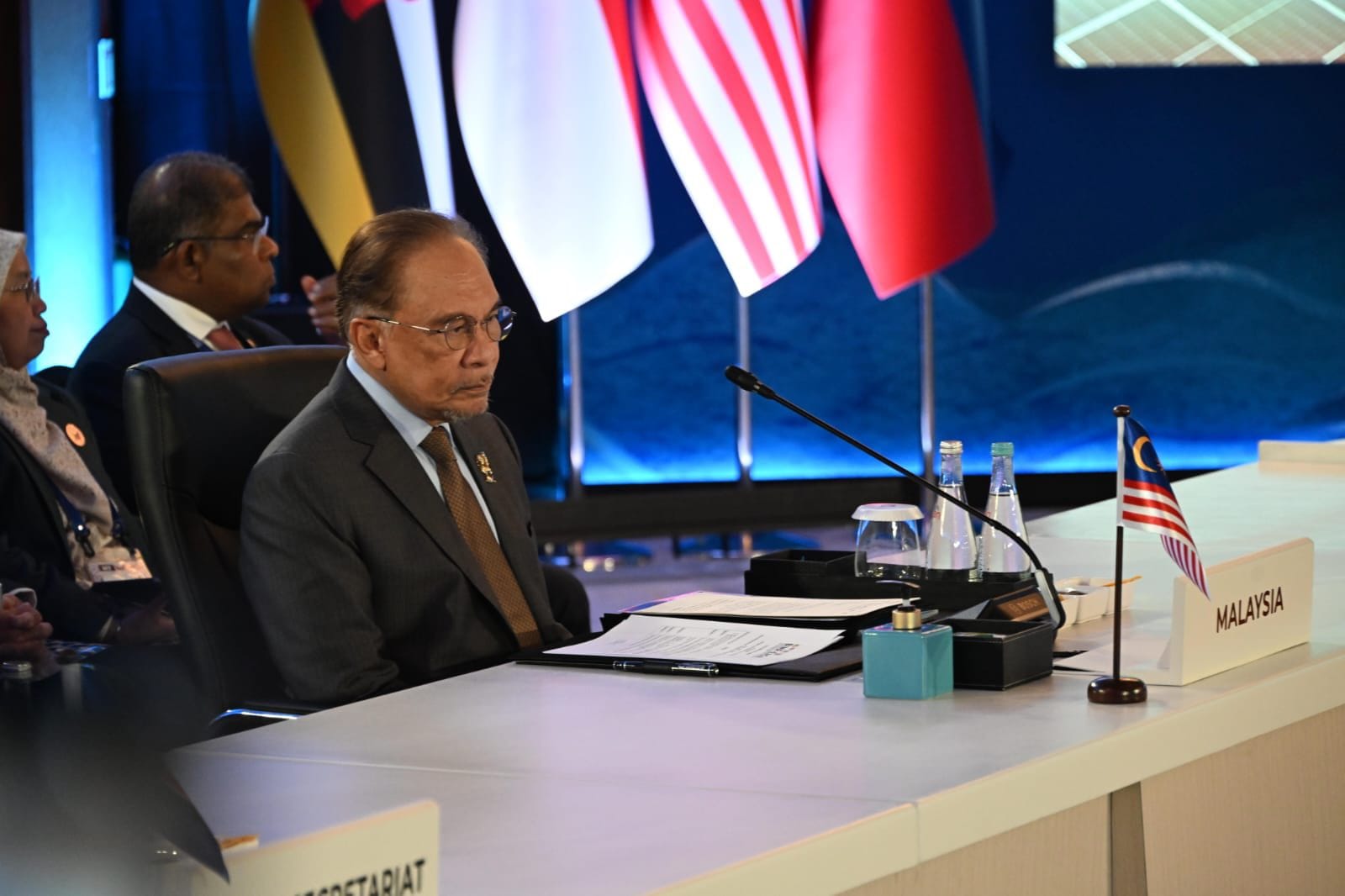
This was the deeper meaning behind Malaysian Prime Minister Anwar Ibrahim’s remarks at the 48th ASEAN Summit in Cebu, the Philippines, on May 8, 2026. Anwar warned that the West Asian crisis had created immediate and far-reaching risks for fuel security in Southeast Asia. His call for ASEAN to make full use of cooperation with the GCC and China was not a ceremonial reference to friendly partners. It was a practical argument: no country in the region can manage energy disruption alone.
The GCC matters to ASEAN because it remains central to global energy flows and maritime stability. ASEAN matters to the GCC because it is one of the world’s most dynamic regions, with growing demand for energy, food, infrastructure, digital investment, and skilled partnerships. The relationship, therefore, should no longer be viewed only through the old formula of oil moving east and goods moving west. It is becoming a wider strategic relationship shaped by resilience, security, and economic interdependence.
The Strait of Hormuz stands at the heart of this equation. It is not merely a narrow waterway on the map. It is an artery of the Asian economy. Any disruption there can raise shipping and insurance costs, disturb energy markets, and increase pressure on transport, agriculture, food production, and consumer prices. For this reason, ASEAN’s statement on the Middle East crisis rightly stressed freedom of navigation and overflight through international straits, including safe and uninterrupted passage through the Strait of Hormuz under international law.
Yet the issue is larger than navigation. ASEAN’s statement also connected the crisis to energy security, food supplies, agricultural inputs, pharmaceuticals, trade routes, and the safety of ASEAN citizens in conflict-affected areas. This is where the GCC and Southeast Asia must read each other more seriously. The GCC should not see ASEAN only as a market, and ASEAN should not see the GCC only as a source of oil or a zone of conflict. Each region now holds part of the other’s stability.
The practical bridge between them must be built through specific files, not broad slogans. On energy, ASEAN and the GCC can develop regular mechanisms for emergency planning, fuel supply coordination, strategic reserves, and cleaner energy transition. On food security, GCC investment and ASEAN agricultural capacity can be connected more intelligently, especially in fertilisers, rice reserves, logistics, and early-warning systems. On trade, the proposed ASEAN-GCC free trade framework should move from diplomatic language to sectoral agreements in energy, ports, aviation, digital services, halal industries, and supply-chain resilience.
Labour protection should also become a central pillar. Millions of Southeast Asians work in GCC states and the wider Middle East. In times of conflict, consular coordination, evacuation planning, information sharing, and legal protection are not secondary humanitarian details. They are part of regional security. A crisis that threatens workers also threatens families, remittances, and public trust at home.
Politically, ASEAN can offer the Middle East a useful language: respect for sovereignty, protection of civilians, rejection of threats to maritime passage, and support for diplomacy over escalation. This language may appear cautious, but it is rooted in the region’s own experience. ASEAN knows that stability is rarely built by loud declarations. It is built by keeping doors open, markets functioning, and conflicts from swallowing everyday life.
The GCC and ASEAN are not identical regions, but they are increasingly bound by the same vulnerabilities. A missile crisis in the Middle East can affect a rice importer in Manila, a factory in Vietnam, a motorist in Kuala Lumpur, a port in Singapore, or a household in Jakarta. Likewise, instability in Asian markets can affect GCC exports, investments, and long-term economic diversification.
The real question, therefore, is no longer whether the GCC and ASEAN should cooperate. They already do, because geography, energy, labour, and trade have forced them into the same conversation. The real question is whether they can turn this interdependence into policy before the next crisis arrives. In a world where distant wars quickly become local costs, the wisest diplomacy is the one that builds bridges before the sea becomes rough.
Abdullah Bugis (kualalumpur.abdullah@gmail.com) is a content creator under the Newswav Creator programme, where you get to express yourself, be a citizen journalist, and at the same time monetize your content & reach millions of users on Newswav. Log in to creator.newswav.com and become a Newswav Creator now!
The User Content (as defined on Newswav Terms of Use) above including the views expressed and media (pictures, videos, citations etc) were submitted & posted by the author. Newswav is solely an aggregation platform that hosts the User Content. If you have any questions about the content, copyright or other issues of the work, please contact creator@newswav.com.
