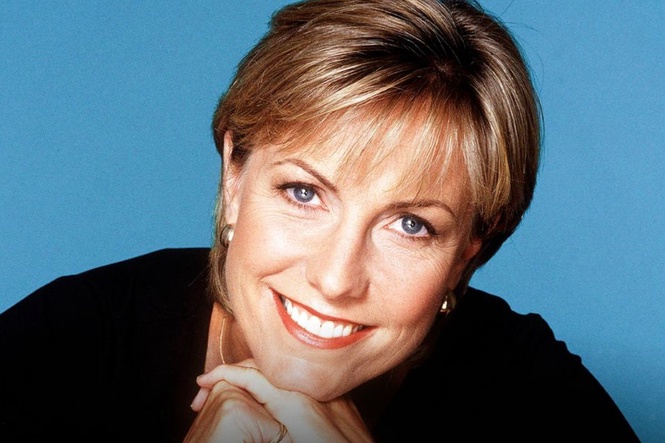
On an April morning in 1999, one of the BBC’s most high-profile presenters returned to her home in west London.
As she was about to put her keys in the lock, she was forced to the ground by an unknown assailant and a single shot was fired into her temple.
It soon emerged that the victim was Jill Dando, BBC News presenter and Crimewatch host. What followed was one of the Metropolitan Police largest ever murder inquiries but after 27 years the killer has yet to be found.
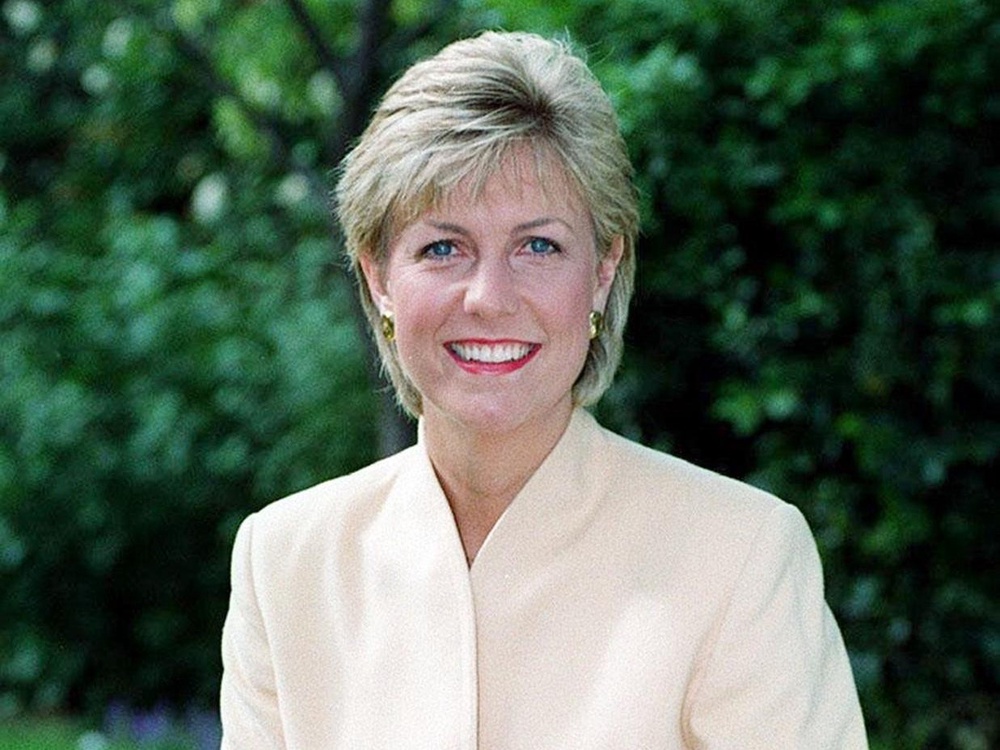
Decades later, theories continue to emerge as to why the 37-year-old was murdered and how the shooter has succeeded in evading justice despite officers interviewing more than 2,500 people. Motives have ranged from a jealous ex to obsessive stalkers to the possibility that she was murdered by a Serbian hitman for her work in covering the Serbia-Kosovo war.
Now, the Metropolitan Police has confirmed it using new techniques to re-examine enhanced CCTV of a mystery man at Putney Bridge station in the wake of the shooting.
It is the first time the force has followed a fresh lead after the investigation into the cold case was classed as “inactive” for several years.
Who was Jill Dando?
One of Britain’s most recognisable newsreaders, Ms Dando had fronted a number of popular BBC shows and was considered the “golden girl” of television during the 1990s.
From 1988, she presented BBC’s Breakfast Time, Breakfast News, the One O’Clock News and the Six O’Clock News and had been named BBC Personality of the Year in 1997.
At the time of her death, she was presenting Crimewatch alongside Nick Ross, which attracted a monthly audience of 14 million at the peak of its success.
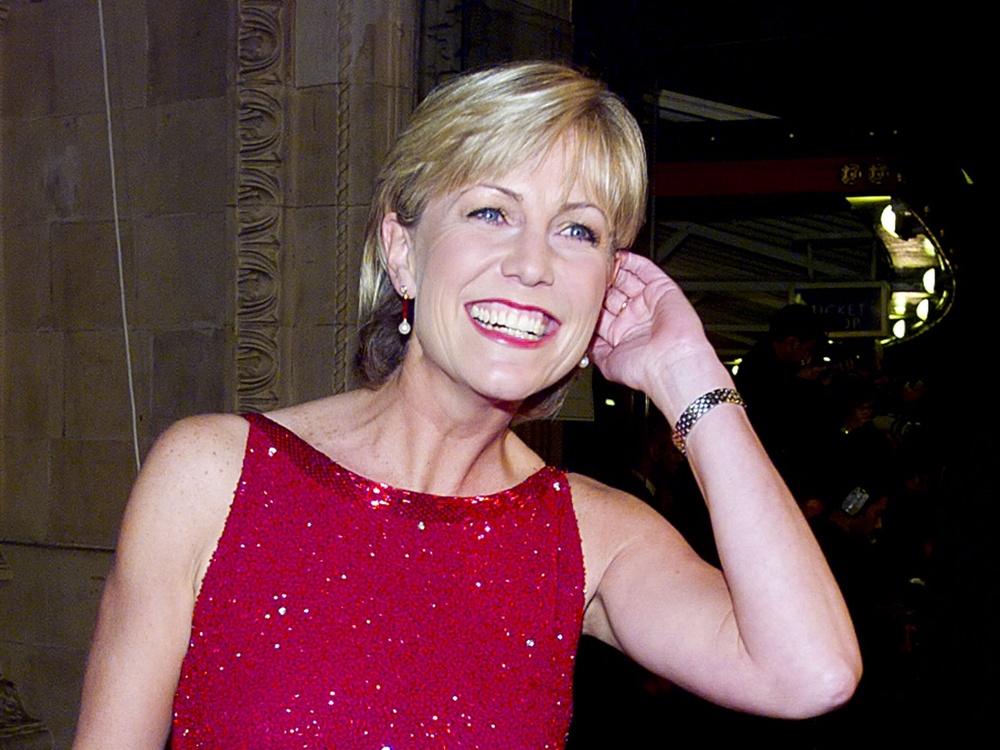
On the morning of 26 April 1999, she left her partner’s home in Chiswick and travelled to her home in Fulham, which she did not visit frequently and was in the process of selling.
After reaching her front door, she was pinned to the ground and shot, with a neighbour overhearing a short scream. Her body was discovered 14 minutes later and she was pronounced dead.
The Metropolitan Police launched Operation Oxborough and were soon bombarded with leads, none of which eventually proved successful, with her murder remaining a mystery over two decades later.
In the early stages of the investigations, rumours began to swirl around Ms Dando’s love life and the possibility that she was murdered by a former lover.
Following her murder, her personal life was subject to scrutiny, with detectives analysing her phone calls, diaries and interviewing countless friends and acquaintances.
Despite intense media speculation, each of the men who had formed romantic relationships with the presenter were swiftly found to be innocent and ruled out of the investigation
Barry George
Barry George was arrested for Ms Dando’s murder ten months after her death and is the only man to have ever been put on trial for the crime.
Named in a tip-off to police the day after the fatal shooting, it took officers ten months to seriously consider him as a suspect.
Police became convinced they had caught their man, with charges brought after a forensic scientist found a tiny particle in the pocket of Mr George’s overcoat, which he believed could be firearms residue from the gun.
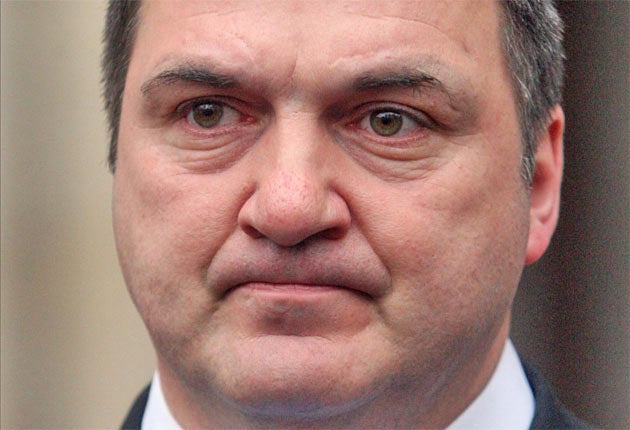
In July 2001, he was found guilty by a 10-1 majority verdict at the Old Bailey, and was jailed for life.
Doubts however had gradually begun to emerge about his conviction, with questions posed about his intelligence to plan and execute such an ambitious murder.
During a 2007 Court of Appeal hearing, evidence was submitted that showed Mr George had an IQ of 75 and was in the bottom one per cent for memory and “executive” tests.
By this point, the firarms residue evidence had also been rejected, with a CPS official admitting: “We looked for any [other] show stoppers. There weren’t any.”
Mr George’s conviction was quashed and he remains a free man, telling a Netflix documentary: “It makes me angry that they have taken eight years of my life.”
A Serb Hitman
Perhaps the most enduring theory behind Ms Dando’s death is that she was brutally murdered by a Serbian crime gang, as retaliation for her coverage of the Serb-Kosovo war.
Just 20 days before she was killed, she had fronted a BBC Kosovo Crisis Appeal that raised more than £1m in 24 hours for refugees fleeing the violence.
At the time, Western involvement which included Nato bombing of key Serb targets had begun, with British forces carrying out strikes in Belgrade just days before Ms Dando’s murder.
It later emerged that the day after Ms Dando was killed, the BBC’s former head of news Tony Hall was phoned by a man with an Eastern European accent, who threatened: “Your prime minister Blair butchered innocent young people, we butcher back.”
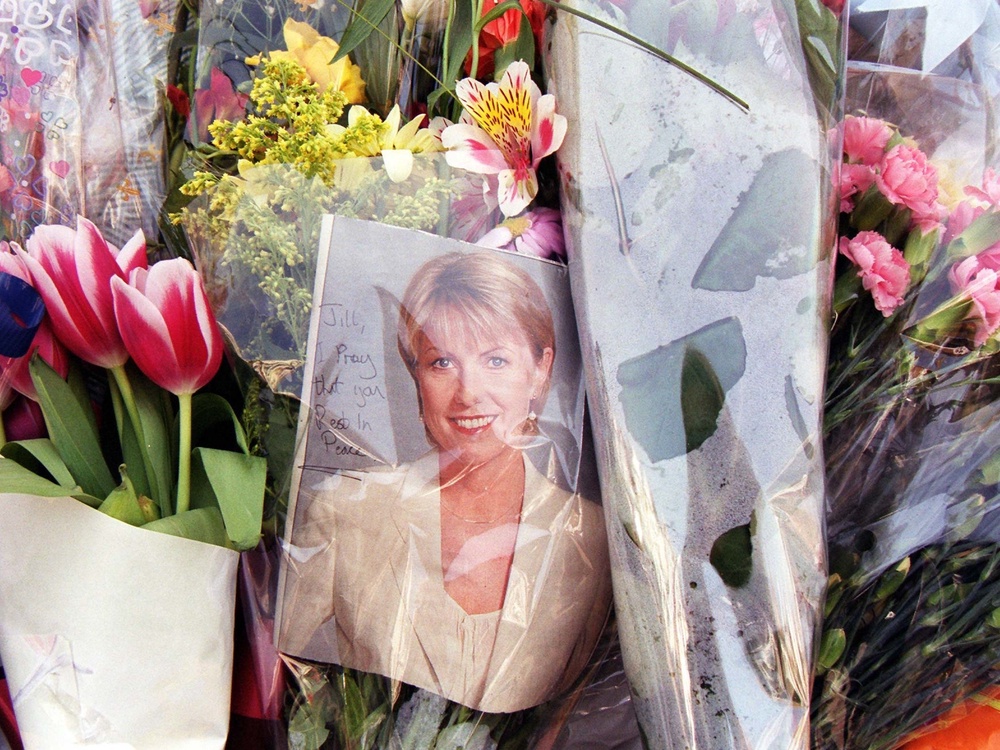
While this theory prevailed on the front sheets of newspapers for months, subsequent investigations have cast doubt on the possibility, with the call to Mr Hall believed to be a hoax.
A number of high-profile journalists had remained in Belgrade during the war, including veteran BBC correspondent John Simpson, who would have been a much more obvious target for Serbian warlords.
However the police have now confirmed they are re-examining CCTV footage of a mystery man, known as Man X, seen at Putney Bridge station. A witness has claimed the same man was also seen “running for his life” near the scene of the scene of the shooting.
The Metropolitan Police said recent advancements in CCTV enhancement technology were allowing them to look again at the original footage, as they confirmed they were following the lead.
A Metropolitan Police spokesperson said: "In the 27 years since Jill Dando's murder, the investigation has been subject to numerous reviews, aiming to identify whether matters could be progressed with advances in technology and forensics.
"Recent advancements in CCTV enhancement technology have provided investigators with the opportunity to re-examine original footage from Putney Bridge train station. This remains ongoing.”
However they warned the review is part of “ongoing enquiries and should not be interpreted as a significant line of inquiry nor as a new investigation being opened on this matter”.
The Mirror reports that investigators will assess whether the man in the footage is a Serbian assassin, whom a facial comparison expert has said looks like Man X.
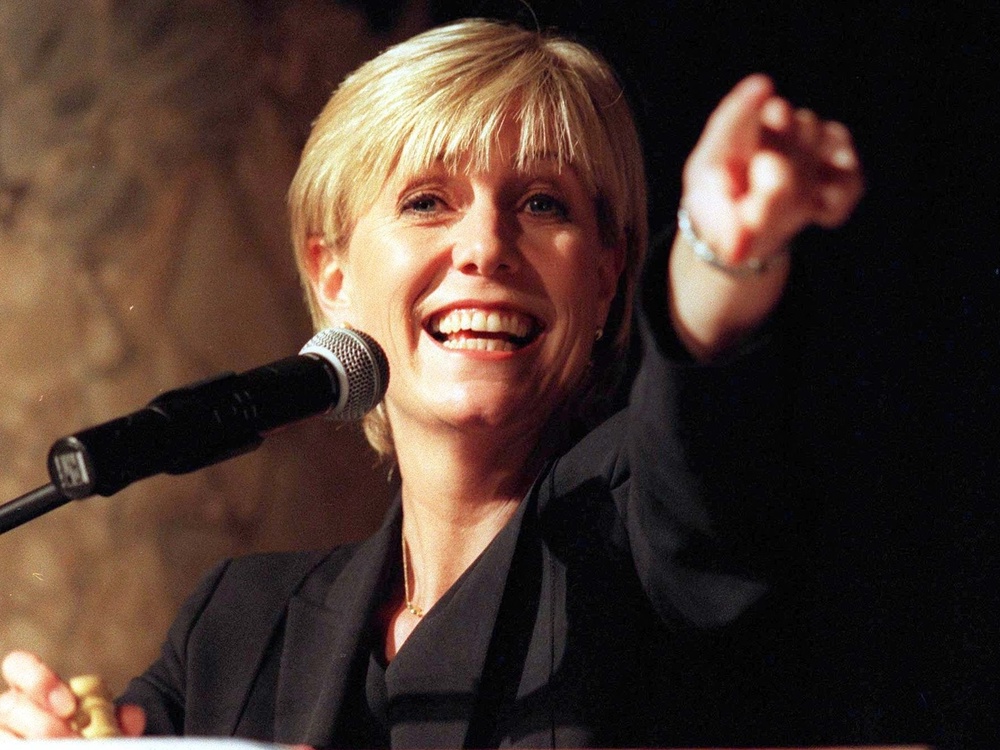
Underworld Crime Gangs
One of the most common theories around Ms Dando’s death is that she was murdered by a professional hitman in revenge for her work as a Crimwatch presenter.
During the police investigation, detectives discounted up to 30 people who had reason to resent the crime programme, while convicted contract killers were visited in prison for information.
In 2015, former Surrey police detective and TV investigative journalist Mark Williams-Thomas suggested that Ms Dando had been murdered on the orders of a London underworld ‘Mr Big’ to “send out a direct, bloody message to others: ‘Do not take on organised crime’.
After trawling through 52,000 documents made available to Mr George’s defence team during his second trial, Mr Williams-Thomas said he had found an intelligence report naming two London men as having acted for a major organised crime gang.
One of the men was never traced while the other was found with no clear evidence of his involvement in the criminal underworld.
It was also noted that while Ms Dando’s murder had the hallmarks of a professional assassin, there was an “obvious contradiction” as the killer had left the shell casing at the scene, indicating a more amateur attacker.
Other Theories
Other lines of inquiry included the possibility that a deranged fan was responsible, or that Ms Dando was the victim of a mistaken identity. The latter was judged unlikely, given that she had been murdered on her own doorstep.
Another theory that emerged after the Jimmy Savile sexual abuse scandal was that Ms Dando had been investigating a paedophile ring at the BBC during the 1990s, prompting a revenge attack. The BBC said it had found no such evidence of such a claim.
Read More‘I find it outrageous that it’s an open case’: Inside the making of Who Killed Jill Dando?