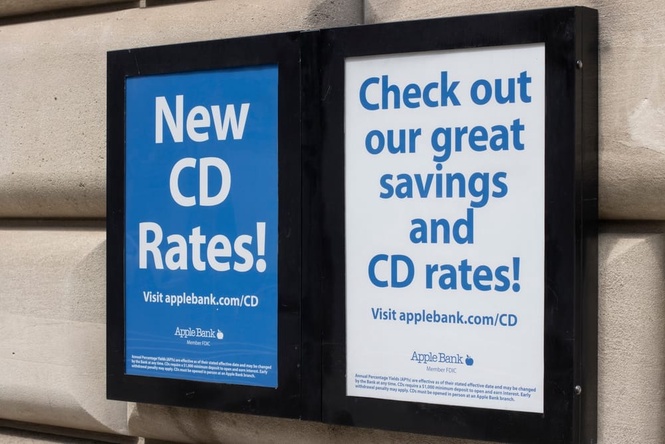
A bank can advertise a dazzling CD rate and still offer a less attractive deal than the competitor down the street. The number looks impressive, the promotional banner practically celebrates your financial genius, and suddenly a deposit seems like an easy decision.
But a certificate of deposit involves more than its advertised annual percentage yield (APY). The term, withdrawal restrictions, minimum deposit, interest payments, and fine print can change how much money you actually earn. Sometimes, a slightly lower rate delivers a better experience and a more useful return.
The mistake is treating a CD like a race where the biggest number automatically wins. Your money has to live with the account long after the advertisement disappears.
A Bigger Rate Can Hide a Much Longer Commitment
One bank might offer an attractive rate on a six-month CD, while another advertises a slightly higher yield on a three-year account. Comparing those two offers by their APYs alone tells you very little. You also need to consider how long your money must stay put and what might happen during that period.
A longer CD can lock in today’s rate, which may appeal to someone who wants predictable earnings. However, it also limits flexibility if interest rates rise or an unexpected expense appears. A shorter CD gives you access to your money sooner, although you may need to accept a lower rate. Neither arrangement automatically wins. The better choice depends partly on when you expect to need the cash.
Consider someone saving for a home renovation next year. A five-year CD with a slightly higher yield might look tempting, but the money could become difficult to access when the contractor finally calls. A six-month or one-year CD might produce less interest but fit the spending schedule far better. Paying a withdrawal penalty to retrieve your own savings can turn a supposedly smart move into an expensive inconvenience.
The Withdrawal Penalty Can Eat Into Your Earnings
Traditional bank CDs generally impose an early withdrawal penalty if you take money out before maturity. Banks calculate these penalties according to their own account terms, often using a specified number of days or months of interest. Some penalties can consume much of the interest earned, particularly when someone closes a CD early in its term.
The Consumer Financial Protection Bureau recommends comparing the withdrawal penalty alongside the interest rate and maturity date. That’s sensible advice because an emergency rarely checks the calendar before arriving. A car transmission, medical bill, or urgent home repair can create an awkward choice between borrowing money and breaking a CD. The CFPB’s CD guide explains these basic restrictions.
Before opening an account, find the exact penalty formula in the disclosure documents. Ask whether the bank deducts the penalty from earned interest or can take money from your original deposit. Also check whether the account permits partial withdrawals or requires you to close the entire CD. Those details can make two otherwise similar offers feel very different.
Promotional Rates Sometimes Come With Strings
A bank advertising its highest CD rate may attach that offer to conditions that narrow the audience. Perhaps the promotional rate applies only to new customers, a particular deposit range, or money transferred from another institution. Another bank might require a relatively large opening deposit to unlock its advertised yield.
That doesn’t make a promotion dishonest. Banks can offer different rates and account terms, and special offers can genuinely benefit customers who qualify. Still, a headline rate means little if your deposit falls outside the eligible range. A household saving $3,000 could discover that the advertised offer requires $25,000. Suddenly, the shiny deal belongs to somebody else’s financial situation.
Check whether the bank pays the advertised APY on the entire balance or uses different rates for different portions. Also look for requirements involving new money, account opening deadlines, and additional banking relationships. If the promotion expires before you fund the account, confirm which rate applies afterward. The advertised number should match the actual deposit you plan to make, not some imaginary larger balance.
APY Is Useful, But Interest Payments Deserve a Look
The annual percentage yield accounts for compounding, making it a useful comparison tool. However, the way a CD handles interest payments still affects your experience. Some accounts leave earned interest inside the CD, where it can generate additional interest. Others send payments to a linked account or provide regular distributions.
That second arrangement may suit someone who wants predictable income. A retiree, for example, might prefer monthly interest payments to assist cash flow. Someone saving for a future purchase may prefer to leave everything in the account and let the balance grow. Neither arrangement is inherently better, but the advertised APY assumes certain conditions about keeping interest in the account.
The Securities and Exchange Commission explains these differences in its CD investor guide. Read the payment schedule and check whether the bank compounds interest monthly, quarterly, or according to another schedule. Also confirm where payments go and whether withdrawing them changes your earnings. A rate comparison becomes much more useful when you understand how the money actually moves.
Watch Out for Callable CDs and Brokered Offers
Some high-yield CDs carry features that deserve extra scrutiny. A callable CD gives the issuing bank the right to terminate the account before its scheduled maturity date. You don’t receive an equivalent right to walk away whenever you please.
Why would a bank do that? If interest rates fall, the bank may decide to call a CD paying an unusually attractive rate. You generally receive your original principal and accrued interest, but you lose the opportunity to keep earning that rate. You may then have to reinvest your money at less attractive rates.
Brokered CDs introduce another consideration. Investors purchase these through brokerage firms rather than directly from the issuing bank. Selling one before maturity may require finding a buyer in the secondary market. If prevailing interest rates have risen, you could receive less than your original investment. The SEC explains these risks in its brokered CD investor bulletin. A higher yield doesn’t eliminate the need to understand what happens if circumstances change.
Don’t Let the Maturity Date Sneak Up on You
Even a straightforward bank CD can create headaches when it matures. Many banks automatically renew CDs unless customers provide instructions during a specified grace period. That renewal may place your money into a new CD with a different interest rate and another commitment.
Check what happens at maturity before opening the account. Find out how long the grace period lasts, whether the bank sends advance reminders, and what happens if you do nothing. A calendar reminder can prevent your savings from disappearing into another term simply because life got busy.
Also check the bank’s deposit insurance coverage. FDIC insurance generally protects eligible deposits up to $250,000 per depositor, per insured bank, per ownership category. That limit applies across qualifying accounts at the same bank, not separately to every CD. Opening several CDs at one institution doesn’t automatically create additional coverage.
The Best CD Fits the Job Your Money Needs to Do
A CD shouldn’t win a beauty contest based on its APY. It should fit the purpose of the money, the date you might need it, and the restrictions you can comfortably accept.
Compare offers with matching terms and deposit amounts. Check withdrawal penalties, promotional conditions, interest payment schedules, callable features, and maturity rules. A slightly lower rate can make perfect sense if it gives you a shorter commitment or fewer unpleasant surprises.
Before signing up, read the account disclosure rather than relying on the promotional page. If a bank cannot clearly explain its rate conditions or withdrawal rules, keep shopping. Your savings deserve more than a flashy advertisement and a rushed click.
Would you accept a slightly lower CD rate for easier access to your money, or would you chase the highest yield? Which feature would influence your decision most?
You May Also Like…
The New Banking Trend That Could Make Paper Checks Harder to Use
Why Your Direct Deposit Could Be Frozen If You Don’t Update Your Banking Information
Your Bank Offers a 0% Loan — Which Fees Should You Check?
5 Questions to Ask Before Investing in a Private Business
The post Why a Bank’s Highest CD Rate May Not Be Its Best Deal appeared first on The Free Financial Advisor.