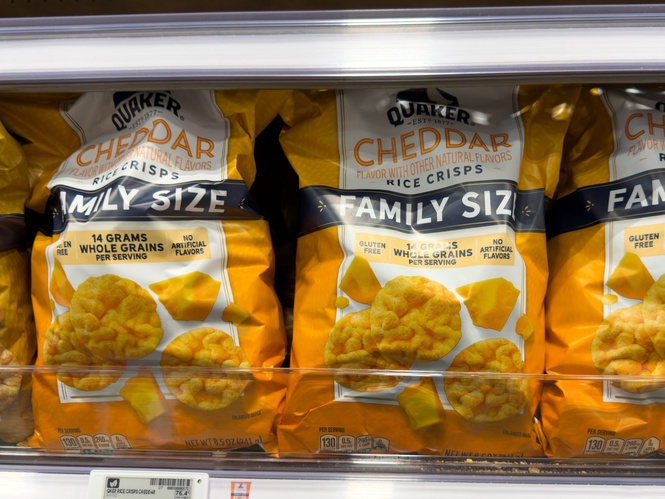
When grocery prices keep climbing, buying a larger package can seem like an easy way to save money. Family-size cereal boxes, oversized jars of pasta sauce, and value packs of meat often advertise more product for a lower price per unit. However, shoppers should not assume that the biggest package automatically offers the best deal. Sometimes a smaller package is cheaper because of a sale, a store-brand alternative, or the way a retailer prices different sizes. Looking beyond the large price tag can help shoppers avoid spending more than necessary. Before choosing the bigger option, check a few details.
The Smaller Package May Have a Lower Unit Price
One of the easiest grocery shopping mistakes is assuming that a larger package must cost less per ounce. While that is often true, retailers do not always price products that way. A smaller box of cereal might be discounted while the larger family-size box remains at its regular price. In that situation, shoppers could pay less overall and get a better price per ounce by choosing the smaller package. The only reliable way to know is to compare the unit prices.
Consumer Reports has highlighted examples of cereal where the larger box actually costs more per ounce than the smaller size. This can happen with other packaged products, including crackers, pasta, sauces, and snacks. Check the shelf label for the price per ounce, pound, or count rather than relying on the package’s advertised savings. If the store does not display unit pricing, divide the total price by the amount inside. That quick calculation can reveal which package offers the better value.
A Sale on the Smaller Size Can Beat a Family-Size Deal
Promotions can change which package offers the best value from one shopping trip to another. A smaller container might qualify for a temporary discount, digital coupon, or loyalty-card price that is not available on the larger size. Shoppers who automatically reach for the biggest package may overlook those savings. This is particularly common with breakfast cereal, yogurt, canned goods, and packaged snacks. A familiar product does not always have the same best-value size every week.
Before choosing a package, compare the discounted price with the regular price of the larger option. Make sure to include any requirements attached to the promotion, such as purchasing multiple items or using a store loyalty account. A sale that requires buying three smaller packages may not be worthwhile if you only need one. However, a single discounted package could offer a better price per ounce than the larger container. Checking the numbers is more useful than assuming a bigger package automatically saves you money.
Store Brands Can Make Larger Name-Brand Packages Less Attractive
Another reason shoppers may spend more on larger packages is brand loyalty. A familiar name-brand product may have a large value-size option that looks economical compared with its smaller version. However, a store-brand package could offer more product for less money. Comparing only two sizes of the same brand can cause shoppers to miss a better deal sitting on the neighboring shelf. The difference can be especially noticeable with flour, sugar, canned vegetables, pasta, cereal, and basic pantry ingredients.
Compare the unit prices of both brands before deciding which package to buy. Also check the ingredients and product descriptions to make sure you are comparing similar items. A lower price does not necessarily mean the products are identical, particularly when comparing different recipes, quality levels, or specialty varieties. If the store brand meets your needs, there may be little reason to pay extra for a larger name-brand package. The best value may come from switching brands rather than increasing the package size.
Multi-Packs Can Hide a Higher Price Per Serving
Multi-packs are another grocery category where bigger does not always mean cheaper. Individually wrapped snacks, yogurt cups, drinks, and other convenience products may be sold in larger boxes that cost more than buying the same amount another way. The packaging itself can contribute to the price, especially when each item is portioned separately. Shoppers may pay extra for convenience without realizing how much that packaging adds to the final cost. A large box does not automatically mean a lower price per serving.
For example, compare a box of individually packaged snacks with a larger bag of the same product. The bag may offer more ounces for the money, even though the multi-pack looks like a better family purchase. The same comparison can apply to bottled drinks, single-serve applesauce, and individually packaged breakfast foods. If portioned packaging matters, the extra cost may be worth it. However, shoppers should recognize that they are paying for convenience rather than assuming the larger box provides the lowest price.
Different Package Sizes Can Make Comparisons Confusing
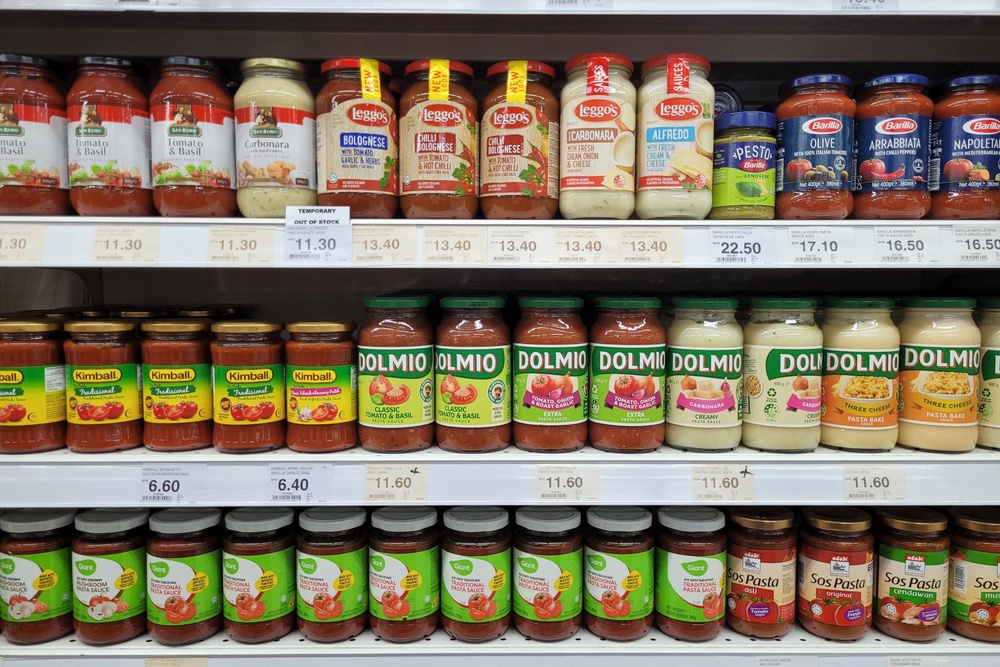
Grocery products do not always come in convenient sizes that are easy to compare. One jar of pasta sauce might contain 24 ounces, while another contains 22 or 23 ounces. Cereal boxes, frozen vegetables, condiments, and packaged snacks can also vary in weight even when their packaging looks similar. Shoppers who compare only the shelf price may not notice that one product contains considerably less. This makes the unit price especially important when choosing between different brands or package sizes.
It is also important to compare the correct measurement. Ounces by weight and fluid ounces by volume are not interchangeable, so shoppers should compare products using the same type of measurement. When comparing products sold by count, check how many individual pieces are included rather than focusing on the package’s outside dimensions. A taller box or wider container does not necessarily contain more food. Reading the net weight or volume on the label can prevent a misleading comparison.
A Lower Unit Price Does Not Guarantee Better Overall Value
Even when the larger package has a lower unit price, it may not be the smartest purchase for every household. Some foods have limited shelf lives, while others lose quality after opening. Buying a large container of dressing, a family-size package of fresh produce, or an oversized dairy product can create unnecessary waste if you don’t use everything. The money saved on the purchase may disappear if part of the product gets thrown away. The value of a grocery deal depends on how much of it actually gets used.
Storage also matters when deciding whether a larger package makes sense. Dry goods may be easier to keep for longer, while meat and certain other foods require proper refrigeration or freezing. Shoppers should consider whether they have enough room and can preserve the extra amount safely. The Connecticut Department of Consumer Protection specifically advises shoppers to consider whether they can use a product before it expires when comparing package sizes. Paying slightly more for a smaller package can be the better decision if it prevents waste.
How to Tell Whether the Bigger Package Is Actually Cheaper
The next time you shop, start by comparing the unit prices of the sizes available. Look at the price per ounce, pound, quart, or individual item, making sure the measurements match. Check for sales and digital coupons that may make a smaller package more competitive. Compare store brands before automatically choosing a larger name-brand option. These simple checks can help shoppers identify better deals without spending extra time calculating every item in the cart.
It is also useful to focus on products you purchase regularly rather than trying to compare everything in the store. Track the sizes and brands that usually offer the best value, then revisit those comparisons when prices change. A larger package can absolutely be a smart purchase when it has a lower unit price, and the household can use the full amount. The mistake is treating package size as proof of savings. A quick comparison can help ensure that the money spent at checkout actually buys more value.
The Best Deal Is About Price, Not Package Size
A bigger grocery package can offer real savings, but it is not automatically the better bargain. Smaller packages sometimes have lower unit prices because of sales, brand differences, or retailer pricing decisions. Multi-packs and oversized containers can also include extra packaging or quantities shoppers do not need. Comparing unit prices and checking the actual amount inside are two simple ways to avoid misleading deals. Before reaching for the biggest option, make sure the numbers support the purchase.
The post Why a Larger Package Isn’t Always a Better Grocery Deal appeared first on Grocery Coupon Guide.