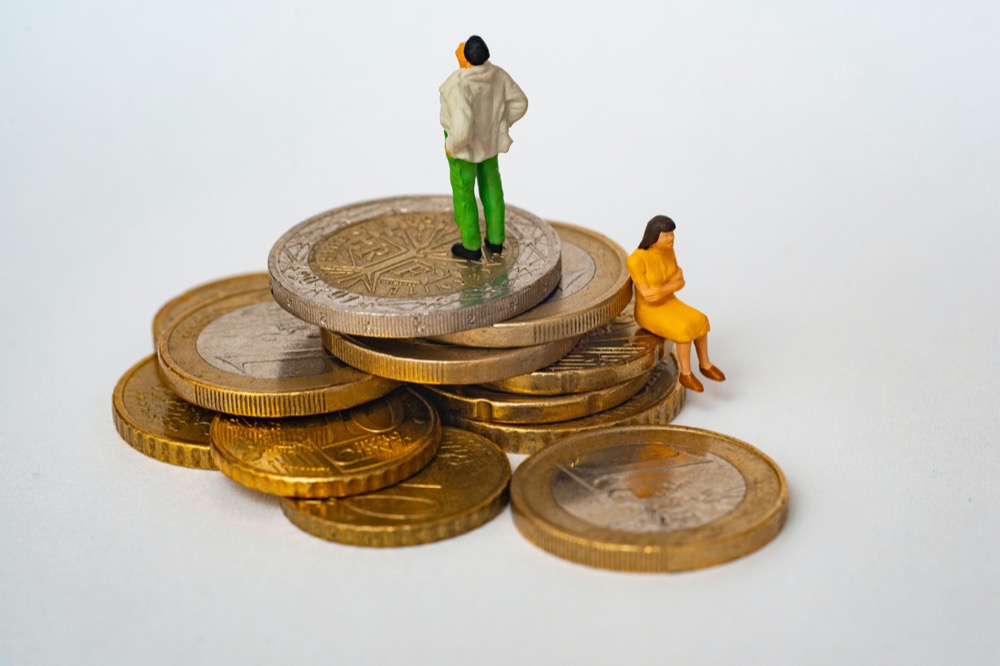
Fuel prices remain under pressure during the war with Iran, as Washington weighs suspending the federal gasoline tax. Experts say the measure could lower costs slightly for motorists, though the wider economic impact may be far more significant.
US President Donald Trump has backed calls to suspend the federal gas tax as households continue to face rising fuel costs linked to disruptions in global oil markets. The proposal, which would require congressional approval, comes as petrol prices across the United States remain well above levels seen before the conflict began nearly three months ago.
According to the Associated Press, several lawmakers from both parties are now supporting legislation that would pause the federal fuel tax through 1 October. Supporters argue that the move could ease pressure on low-income families and businesses struggling with transport costs. Critics, meanwhile, warn that any savings at the pump are likely to be modest and temporary.
The federal gasoline tax currently stands at 18.4 cents per gallon. Revenue generated from the levy helps fund highway maintenance and public transport systems across the country.
Savings at the Pump May Be Smaller than Expected
Although suspending the tax could reduce fuel prices, analysts caution that consumers would not automatically receive the full benefit. According to Carl Davis, research director at the Institute on Taxation and Economic Policy, the tax is collected at the wholesale level rather than directly at petrol stations, meaning reductions may take time to filter through the supply chain.
“You can’t suspend the tax and then expect everyone to wake up the next morning and gas is suddenly 18 cents cheaper,” Davis told the Associated Press. “It doesn’t work that way.”
The University of Pennsylvania’sPenn Wharton Budget Model estimates that roughly 72 per cent of a federal gas tax cut would reach consumers. That would translate into savings of around 13.2 cents per gallon rather than the full 18.4-cent reduction.
Even under that scenario, the impact on household budgets appears relatively limited. According to Penn Wharton researchers, a family filling a 15-gallon tank once a week would save about 35 dollars over four months if the suspension ran from June through October.
Fuel prices themselves remain historically elevated. Data from AAA cited by the Associated Press shows the US national average reached about 4.50 dollars per gallon on Monday, compared with 2.98 dollars in late February before the conflict escalated. Some suppliers could retain part of the savings rather than passing the full reduction on to drivers, potentially increasing company profit margins during the suspension period.
Concerns Grow over Infrastructure Funding and Federal Revenue
While consumers may see only limited savings, economists and policy analysts say the financial consequences for government infrastructure funding could be much larger.
The federal gas tax is the main source of income for the Highway Trust Fund, which supports road repairs, bridge maintenance and public transport projects nationwide. According to the Penn Wharton Budget Model, the federal government could lose approximately 8.35 billion dollars in revenue during a four-month suspension.
If lawmakers also suspend the federal diesel tax, currently set at 24.4 cents per gallon, the projected loss could rise to nearly 11.5 billion dollars. According to the Associated Press, some proposals in Congress would replace the missing revenue using general government funds. Critics argue this approach could increase the federal deficit and place additional strain on long-term infrastructure financing.
The debate is unfolding as oil prices continue to rise globally. Brent crude and US benchmark crude are both trading above 100 dollars per barrel, up sharply from roughly 70 dollars earlier this year. According to reports, continued disruption around the Strait of Hormuz could keep fuel prices elevated for an extended period. “This is really a foreign policy problem,” Davis said. “There’s not a fiscal policy band-aid that can be slapped on.”
Enjoyed this article? Subscribe to our free Newsletter for engaging stories, exclusive content, and the latest news.