
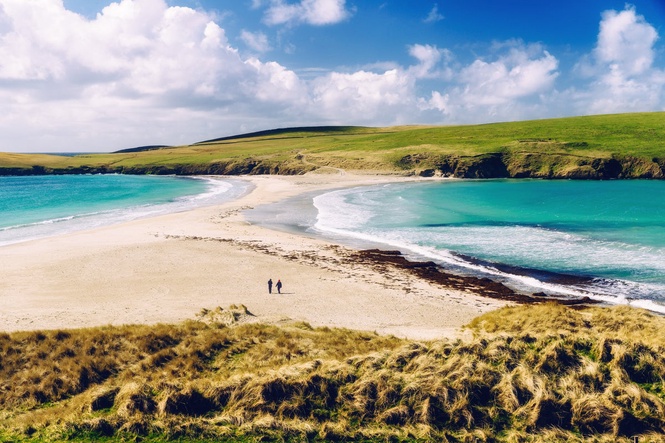
Many places across the UK declare themselves one-of-a-kind tourist destinations, with elaborate claims of unparalleled views or unique attractions, but I would dispute that none truly comes close to the Shetland Islands.
Islanders take great pride in their Shetland identity, shaped by centuries of Norse control before the archipelago came under Scottish rule. While locals on the mainland told me they identify as Scottish, you will find those living on the upper islands who say they are a Shetlander through and through. No wonder, as Shetland is more than 100 miles off the coast of Scotland and sits at similar latitudes to Bergen in Norway and St Petersburg in Russia.
Its northerly location provides the perfect setting for unique cosmic events. While winters can be harsh, the sun never truly sets during peak summer. When it does briefly dip for a few hours, a milky glow called “da simmer dim” transforms the landscape before the sun rises again between 3am and 4am. It was a peculiar sensation to peek out the window at 2am and find the outside completely visible in the hazy light.
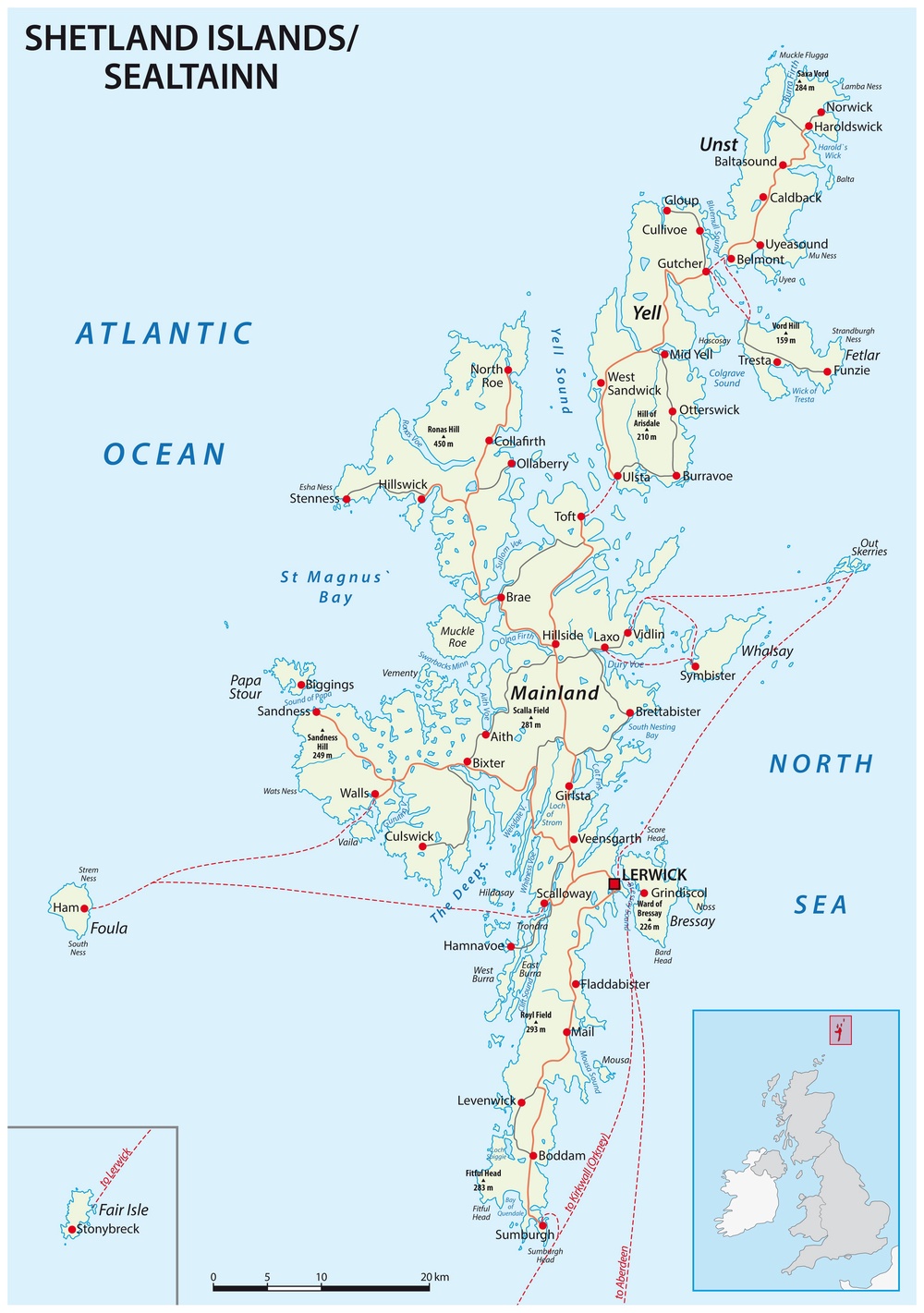
Shetland is an archipelago of around 100 islands and islets, though fewer than 20 are inhabited. During my short stay, I stuck to the mainland, crossed through Yell and spent some time on the most northerly island, Unst, although other islands such as Fetlar, Whalsay and Papa Stour are accessible to visitors, too.
Read more: My quest to the most northerly point of the British Isles
What to do
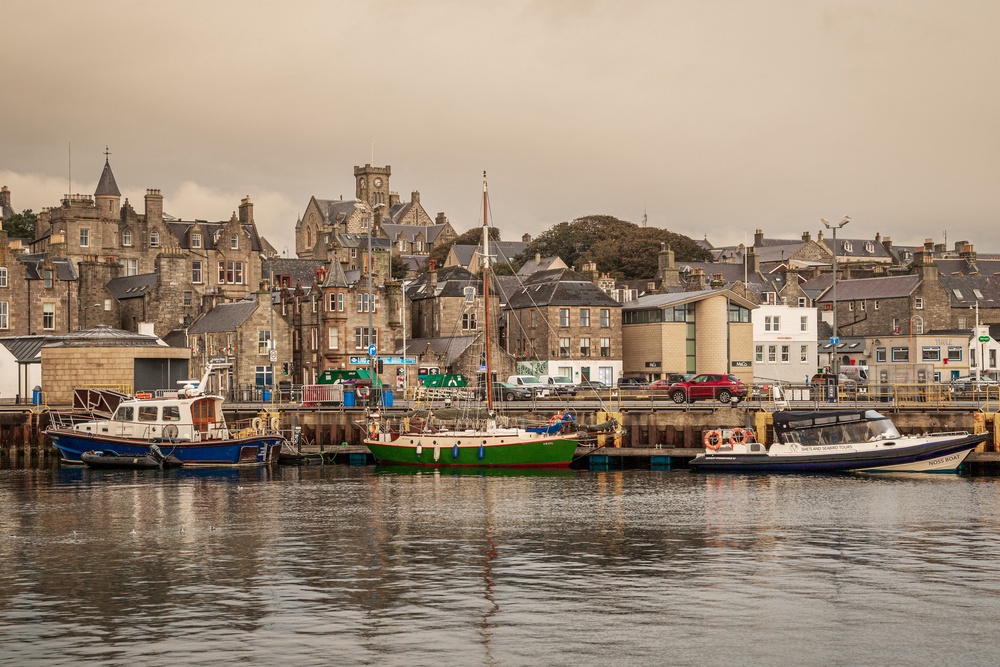
Shopping in Lerwick
One of Shetland’s best features is that independent businesses significantly outweigh chain stores. Shetland’s main town, Lerwick, has a string of boutique shops and quirky cafes along Commercial Street, including Jamieson’s Knitwear, a fifth-generation family-owned business that makes sweaters and vests from pure Shetland yarn.
Island Larder is another standout on the street, selling handmade confectionery like traditional tablett, fudge, and “puffin poo” chocolate marshmallow.
Spotting seabirds
If you are a keen birdwatcher, Shetland should be on your bucket list due to its thriving sea and migratory bird colonies. Even if you are not an avid ornithophile, seeing thousands of gannets perched on the cliffs of Noss and listening to their squawking chatter is a unique experience. You can do this by booking a trip with Shetland Seabird Tours that departs from Lerwick and provides binoculars so you can take a closer look at gannets, guillemots, razorbills and more.
One of the most spectacular bird experiences coincides with a trip to Scotland’s best-preserved iron-aged tower, called a broch, on the island of Mousa. A short boat ride from Sandwick departs at 10.30pm, which in the summer season is just before sunset, for an amble to the broch to spot little storm petrels whipping in and out of the cracks of the ancient tower they call home.
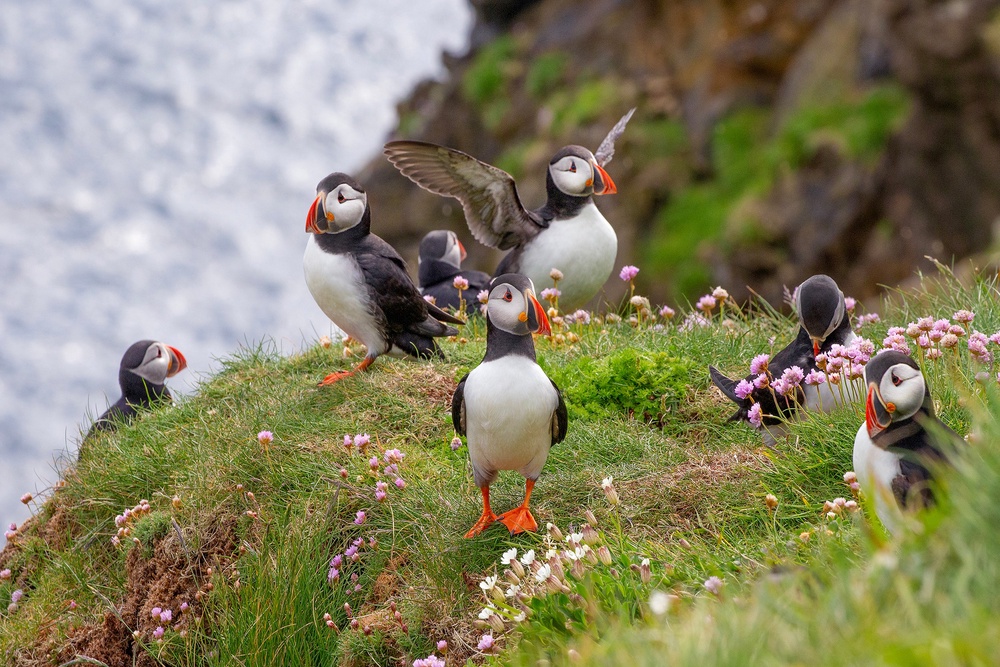
Plenty of places across Shetland offer birdwatching and wildlife photography, but my favourite is Sumburgh Head Lighthouse on the southern tip of the island, where we caught glimpses of burrowing puffins.
Seaside sauna sessions and beach walks
If it wasn’t for the chillier weather, we might have thought we had suddenly appeared on some far-flung Caribbean beach every time we set foot on Shetland’s shoreline. It’s a challenge to find beaches this sensational elsewhere in the UK, not just for their turquoise waters and white stretches of sand, but because we had some completely to ourselves.
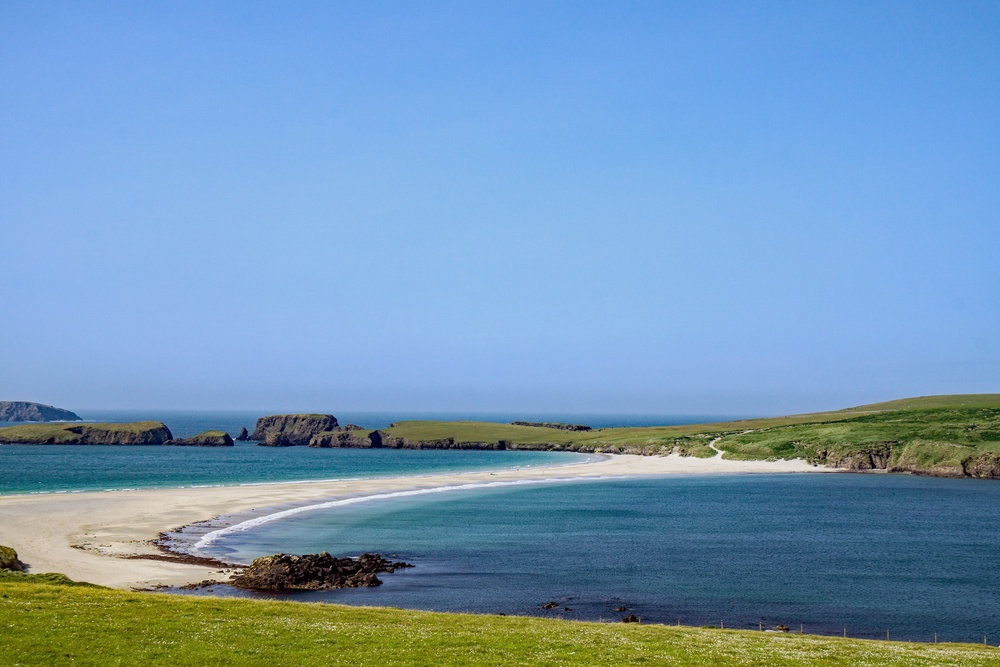
St Ninian’s Isle Beach is possibly one of the most famous coastal areas in Shetland because of its striking 500m tombolo shape connecting the mainland to a small isle, meaning waves crash on either side. We spent an afternoon at St Ninians, swapping between dips in the nippy waves and Haar Sauna’s mobile horseshoe-box saunas, perched on the shore. After we dried off, we took a picnic and walked across the tombolo to St Ninian’s Isle, where you can visit the remains of a 12th-century chapel.
During our trek to Unst, which involved two inter-island ferry rides, we drove across Yell, where West Sandwick beach lies: a small stretch of sand hidden from view by large dunes, completely deserted when we arrived. Once on Unst, we knew we had to tick off Skaw, Britain’s most northerly beach, which was impressive for exactly that, as well as its outstanding view of the Saxa Vord rocket launch site.
Easting Beach, also on Unst, might have been one of the most beautiful beaches I have visited: an Edenic scene of green grass dotted with daisies that gradually fades into white sands, with lambs hopping about on the shore.
Hiking through nature
There are hikes on tap on Shetland, and I implore you not to miss the trails around Hermaness National Nature Reserve on Unst. The reserve sits at the tip of the island and starts with newly installed wooden boardwalks over the peat moorland before reaching steadier grassy hills, with wooden posts guiding walkers to the top. At the cliffs’ edge, you will find yourself standing at the most northerly point in Britain. Looking out, you can see two more small islets: one holding Muckle Flugga lighthouse and another called Out Stack, which marks the northernmost point of the British Isles. If you sailed directly north, you wouldn’t hit any other land until the Arctic.
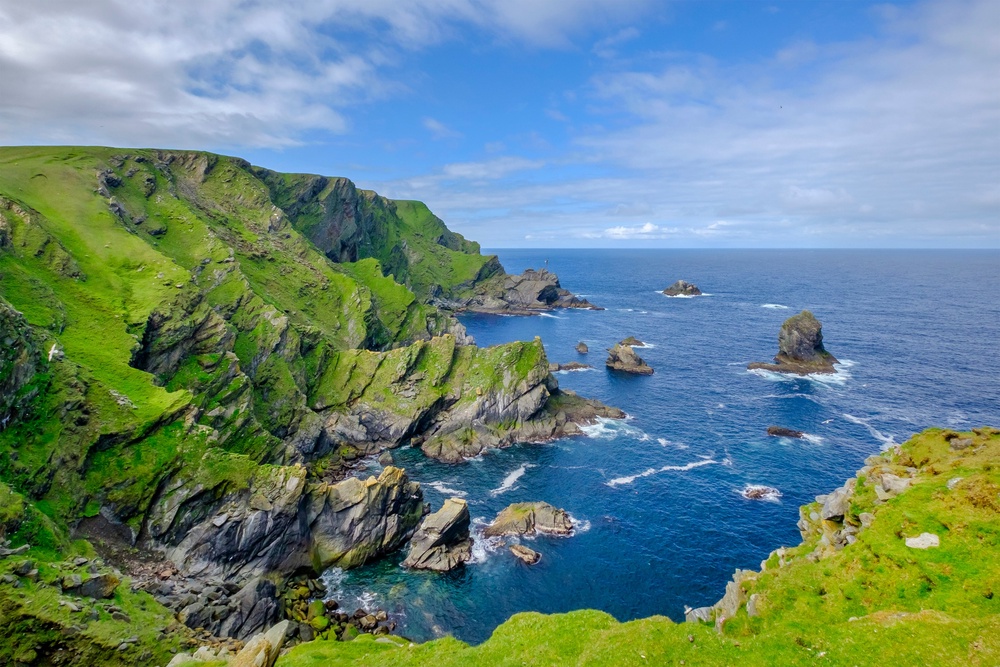
To discover more of Unst, we stopped at a few spots along the Wild Skies sky trail, set up by a group of locals to highlight some of the island’s best heritage spots and great places to spot solar activity. As we visited in summer, the nights were not dark enough for a chance to see the Northern Lights, so we trekked during the day. On our way to one stop, we tracked across the Keen of Hamar nature reserve, a barren desert of serpentine rock from the ophiolite crust. Our eyes were glued to the ground until we found dainty Edmondston’s Chickweed, an endemic wildflower found nowhere else in the world.
Learning about Shetland’s past
Shetland Museum and Archives is perhaps one of the best places to visit first, as it’s a one-stop-shop for the entire history of the islands, starting from its geological beginnings to early people, folklore, maritime heritage, and up to the present day.
Unst also has its own heritage centre museum, which dives deeper into the island’s knack for fine lace knitting, the history of Muckle Flugga Lighthouse, and how Shetland Ponies went from working animals to friendly pets.
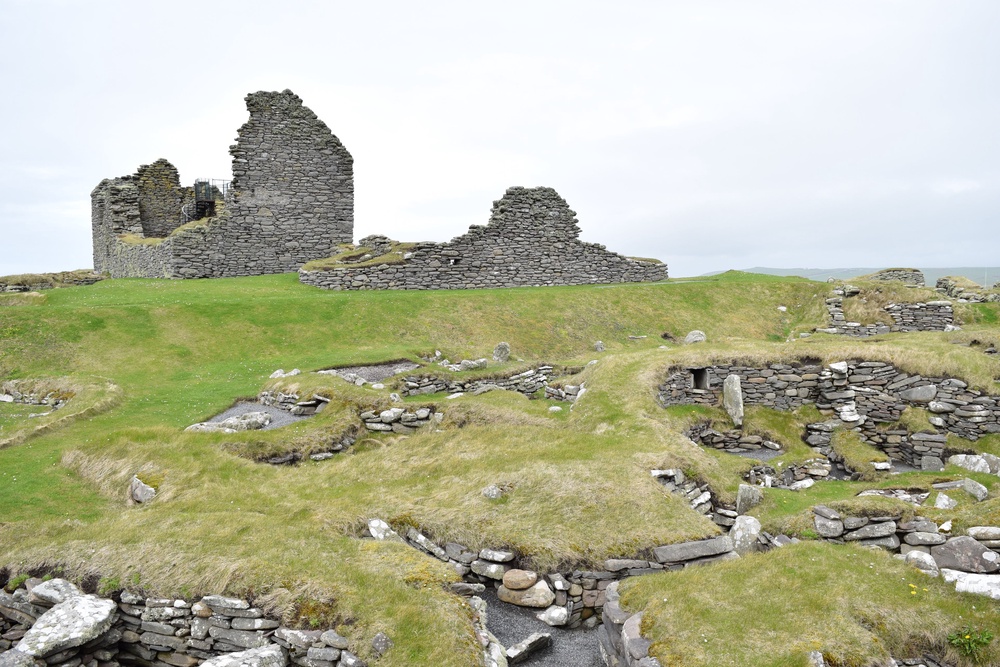
At the other end of Shetland, Jarlshof Prehistoric and Norse Settlement is a prehistoric archaeological site you can explore with the help of an audio guide. Visitors can walk among some rare finds, including oval-shaped Bronze Age houses, an Iron Age broch and wheelhouses, Norse long houses, a medieval farmstead, and a laird’s house dating from the 1500s.
Read more: You can do the North Coast 500 without a car – and it costs less than £20
Where to eat and drink
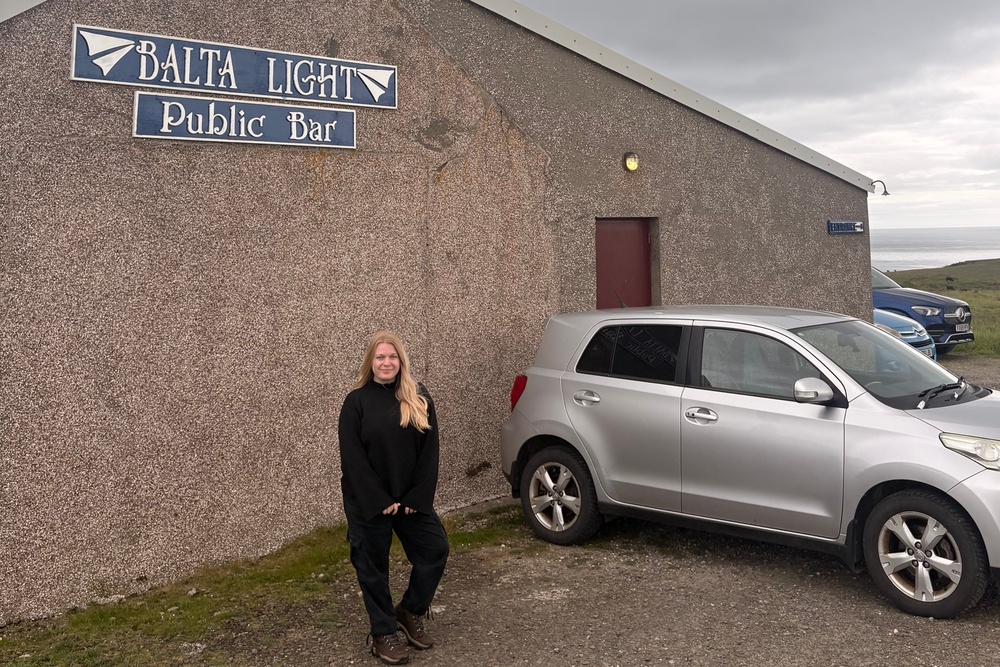
There are a few places to drink around Shetland, including the taproom of the UK’s northernmost brewery, Lerwick Brewery, which brews craft beers, from lagers to oatmeal stout. We also visited The Douglas Arms in Lerwick, chatted with friendly locals, and met the owner, Anna, who has run the pub for over 50 years. The Noost Bar on Commercial Street is a more upmarket watering hole that sells Shetland Reel gin distilled at the former Saxa Vord RAF base on Unst. Speaking of Unst, sink a pint at Balta Light, a small establishment known as the most northern pub in the British Isles.
There are limited dining options on Unst, but that does not mean that the standard is low. The recently opened Da Otters Neuk, on the coastline overlooking the sea, serves hearty meals such as fish and chips, loaded nachos, and pasta dishes. Up the road, the Final Checkout is Unst’s main grocery shop and also serves light breakfasts and lunches, including sassermaet butties, spiced minced patties originating from Shetland.
Look out for the cake fridges dotted along the roads throughout Shetland, stocked with homemade treats and an honesty box for your cash.
With nearly 1,700 miles of coastline, it’s no wonder Shetland is known for its fresh seafood. Frankie’s Fish and Chips in Brae (yet another proud owner of the “most northerly” title) sells produce sourced by fisheries across the archipelago. We bought takeaway haddock, scampi, and chips before driving to the dramatic Eshaness Cliffs, where we ate it all while looking out over the rugged coastline.
You can also try other standout fish dishes at the upmarket No.88 in Lerwick, which serves a fish of the day alongside Shetland lamb and beef dishes. Pete’s Cafe, also in Lerwick, serves traditional Cullen Skink soup made with haddock caught by local fisheries.
Read more: I stayed at Andy Murray’s five-star country house hotel – here’s what I thought
Where to stay
Lerwick is a great place to base yourself to explore the rest of the mainland; you can stay at The Lerwick Hotel for en-suite bedrooms and an on-site brasserie. Further north in Brae, the wooden-clad St Mangus Bay Hotel has slightly dated rooms but makes up for it in charm and welcoming hospitality in its bar.
There are plenty of Airbnbs and self-catering stays across Shetland, as well as guest houses run by locals. For example, we stayed in an en-suite room at Winwick House owned by a Unst resident, who lives on site. In the morning, we sat in his kitchen while he cooked us a full fry-up and told us of local points of interest to visit.
Many visitors prefer to tour the islands in a caravan, and you can find several caravan and camping sites with facilities across the islands.
Best time to visit
Visiting Shetland in the summer months, between May and August, offers extremely long days because the sun hardly sets. This is an ideal climate for spending time outdoors, and means the inter-island ferry service is more reliable thanks to calmer weather.
The winter months bring darker days and wilder weather, but also a chance to spot the Northern Lights and other celestial phenomena in the dark skies. Winter is also when the biggest event on the Shetland calendar takes place on the last Tuesday of January: Lerwick’s Up Helly Aa. The festival features a torchlit procession and guisers in Viking attire, marking the end of the Yule season.
Some seasons are better thanks others for spotting wildlife. Summer is best for seabird colonies, while September and October bring the autumn migration of rare birds.
How to get there
Flights to and from Sumburgh airport on Shetland are available from most major Scottish airports with Loganair. NorthLink Ferries also runs overnight ferries between Lerwick and Aberdeen, which is cheaper than flying and allows you to bring a vehicle.
We hired a car with Bolts Car Hire, picked it up from the airport, and dropped it off at the ferry port. While there are some buses on Shetland, I’d advise having a car to get to places quickly. Watch out for sheep on the roads as they like to perch on the tarmac.
We pre-booked inter-island ferry sailings, which only last around five to 10 minutes, as they can get busy. To get to Unst, we took the ferry from Toft (on the mainland) to Ulsta (on the island of Yell); we then drove across Yell to the Gutcher ferry terminal and caught another ferry to Belmont on Unst. Be aware that ferries are often delayed or cancelled.
Read more: Move over Skye, here’s why Mull is my new favourite Scottish island for a hiking holiday
Amelia’s trip to Shetland was supported by Visit Scotland and Promote Shetland
Read MoreThe iconic Scotland road trip you can do by bus for under £20
This is what it’s like to stay at Andy Murray’s Scotland hotel
Move over Skye. Why Mull is my new favourite Scottish island for a hiking holiday
The best Inverness hotels to live out your Traitors fantasies
How to discover Scotland’s Highlands and islands by bus for just £2