
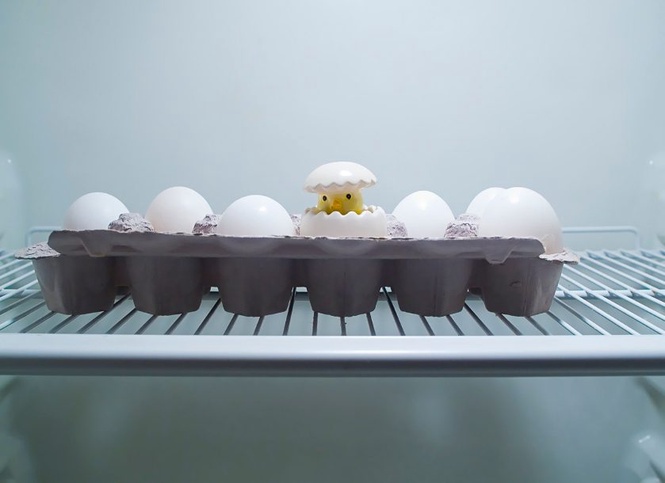
Walk into a grocery store in the United States, and you will find eggs in a refrigerated section. Visit many European grocery stores, however, and eggs may sit on ordinary shelves at room temperature. This difference often surprises American travelers who wonder why the same food requires different storage methods. The explanation comes down to how eggs are processed and how each country manages the risk of foodborne illness. Both systems have established safety practices, but they take different approaches to protecting eggs before they reach consumers.
American Eggs Are Washed Before They Reach Stores
In the United States, commercial eggs typically undergo washing and sanitizing during processing to remove dirt and reduce bacteria on their shells. This process also removes much of the egg’s natural protective coating, known as the cuticle or bloom. The coating helps limit the movement of moisture and provides a barrier against some contaminants. Because commercial washing changes that natural protection, American producers pair the process with refrigeration to help maintain egg quality and reduce bacterial growth. The U.S. Department of Agriculture explains this approach in its overview of egg storage practices.
Many European Countries Avoid Washing Eggs
In many European countries, commercial eggs are generally sold without being washed, allowing the natural cuticle to remain intact. This approach reflects a different food safety strategy that emphasizes preserving the shell’s protective coating and preventing contamination throughout production. European Union rules generally prohibit washing Class A eggs intended for consumers, although specific exceptions and national practices can apply. Because these eggs retain their natural coating, they can often be displayed at room temperature in stores under the applicable rules. However, this does not mean every European country handles eggs identically, or that room-temperature storage is appropriate for every egg in every situation.
Refrigeration Helps Slow Bacterial Growth
Refrigeration is important because eggs can carry Salmonella, a bacterium that can cause foodborne illness. Contamination can occur inside an egg before the shell forms, or bacteria can enter through the shell under certain conditions. Keeping eggs cold helps slow bacterial growth and preserves their quality for longer. U.S. food safety guidance recommends buying eggs from refrigerated cases and promptly storing them at 40 degrees Fahrenheit or below. The Food and Drug Administration’s egg safety guidance explains the storage practices American consumers should follow.
Why the Two Systems Developed

The difference largely reflects the food safety practices adopted by each region over time. U.S. egg producers began washing and refrigerating eggs more widely in the early 1970s amid concerns about contamination and foodborne illness. Many European countries continued using systems that preserve the natural coating rather than routinely washing eggs for retail sale. Neither approach eliminates every food safety risk, which is why both production controls and proper handling matter. The USDA’s Agricultural Research Service has compared different egg washing and storage methods, finding that the U.S. washing-and-refrigeration approach maintained egg quality particularly well during extended storage.
Does One Method Make Eggs Safer?
It is tempting to assume that eggs left on a shelf must be less safe, or that unwashed eggs are automatically better because their natural coating remains intact. The reality is more complicated. Food safety depends on the entire process, including conditions on the farm, contamination controls, processing, transportation, storage, and cooking. Refrigeration helps limit bacterial growth, while careful production practices help prevent contamination in the first place. Research from the USDA has also found that the natural cuticle degrades over time, meaning it should not be treated as a complete barrier against bacteria.
Should Americans Leave Eggs on the Counter?
For American consumers, the safest approach is to follow U.S. storage guidance rather than copy practices from another country. Keep commercially purchased eggs refrigerated at 40 degrees Fahrenheit or below, preferably in their original carton on an interior shelf rather than in the refrigerator door. Do not wash store-bought eggs before putting them away, since commercial eggs have already been washed and additional washing can increase contamination risks. The USDA advises against leaving refrigerated eggs at room temperature for more than two hours. Once eggs have been chilled, maintaining a consistent cold temperature helps reduce the risk of bacterial growth.
What This Means for Your Grocery Routine
The next time you see eggs displayed without refrigeration in another country, remember that the difference is not simply a matter of one place being careful and another being careless. Countries have developed different egg processing and storage systems based on their food safety rules and production practices. In the United States, washing and refrigeration work together as part of the standard approach. For shoppers, the important takeaway is to follow the storage instructions that apply to the eggs they buy. Keeping eggs properly refrigerated and cooking them thoroughly remain practical steps for reducing food safety risks at home.
What To Read Next
The Egg Carton Mistake That Costs You a Dozen: Why U.S. Eggs Rot in Hours Off the Fridge
Why Are Some Eggs Brown and Others White — And Should One Cost More?
Should Seniors Avoid Eggs? The Answer Isn’t What It Was 30 Years Ago
Nearly 19 Million Eggs Recalled as FDA Warns of Potentially Deadly Salmonella Risk
How Long Eggs Stay Fresh in the Refrigerator, According to USDA
The post Why Are Eggs Refrigerated in America but Left on the Shelf in Other Countries? appeared first on Grocery Coupon Guide.