Pakistan carried out airstrikes on 10 locations in Afghanistan, saying the sites were being used to store and launch drones involved in attacks on Pakistani territory.
Afghanistan’s Taliban government said at least four people were killed in the strikes and vowed an “appropriate response”.
Pakistan said the operation targeted military sites and was carried out with precision.
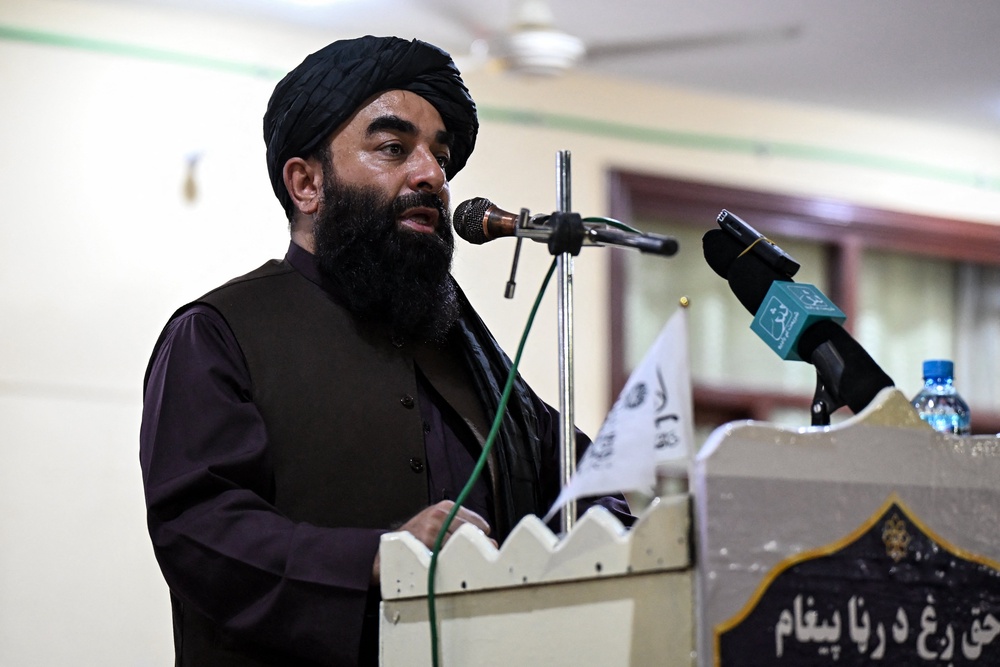
Pakistani information minister Attaullah Tarar said air strikes were “deliberate, precise, calibrated, and proportionate, and strictly limited to identified military objectives directly linked to the attempted attacks against Pakistan”.
He condemned a “deliberate and unlawful incursion into Pakistan by drones” on Wednesday.
“This constitutes a blatant violation of Pakistan’s sovereignty and territorial integrity and is a grave and unacceptable act of aggression,” he said.
The strikes come amid renewed tensions between the two neighbours.
Islamabad has accused the Taliban government of allowing armed groups responsible for attacks in Pakistan to operate from Afghan soil, while Kabul denies the allegations.
An attack on a police facility in north-western Pakistan last week killed at least 21 people and triggered renewed fighting between Pakistan and Afghanistan after nearly three months of relative calm. A faction of the Pakistani Taliban claimed responsibility for the blast and the gun battle that followed.
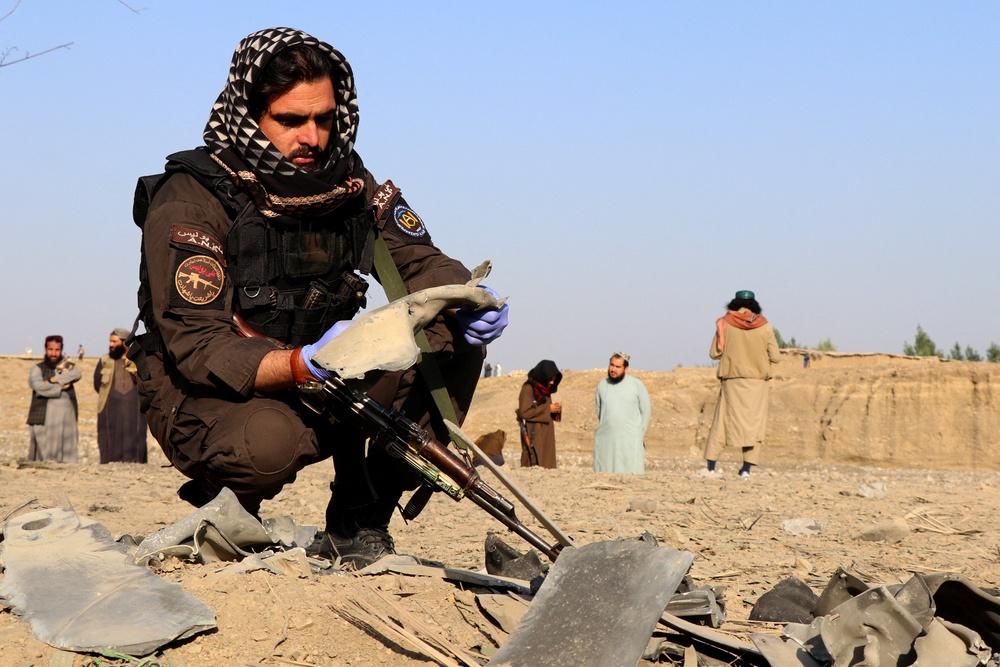
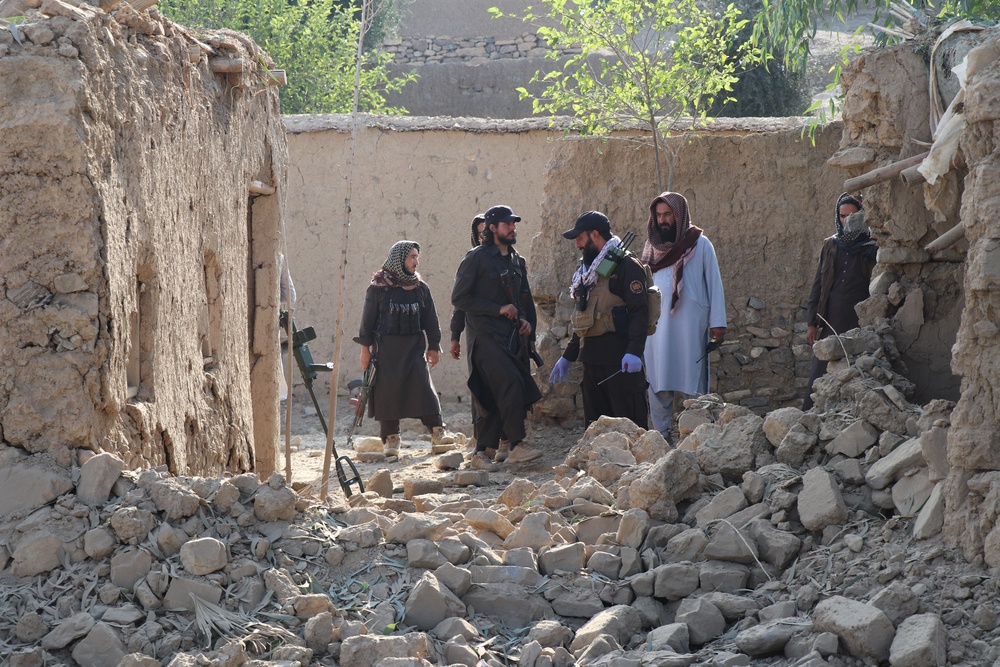
On Monday, Pakistani airstrikes on three sites in north-eastern Afghanistan killed three civilians in Kunar province’s Nurgal district, according to Afghan officials. Islamabad said the operation killed 28 “terrorists”.
The latest escalation threatens diplomatic efforts by China, Turkiye, Qatar, and Saudi Arabia to broker a lasting agreement between the two neighbours.
Relations between Pakistan and Afghanistan have deteriorated since heavy fighting in February, the most serious clashes between the two countries in several years.
Earlier in June this year, at least 36 people were killed and more than 160 others injured in Afghanistan after overnight strikes by Pakistani forces.
At the time, Mr Tarar said the country’s security forces carried out a ground operation along the Pakistan-Afghanistan border and launched strikes against militant hideouts.
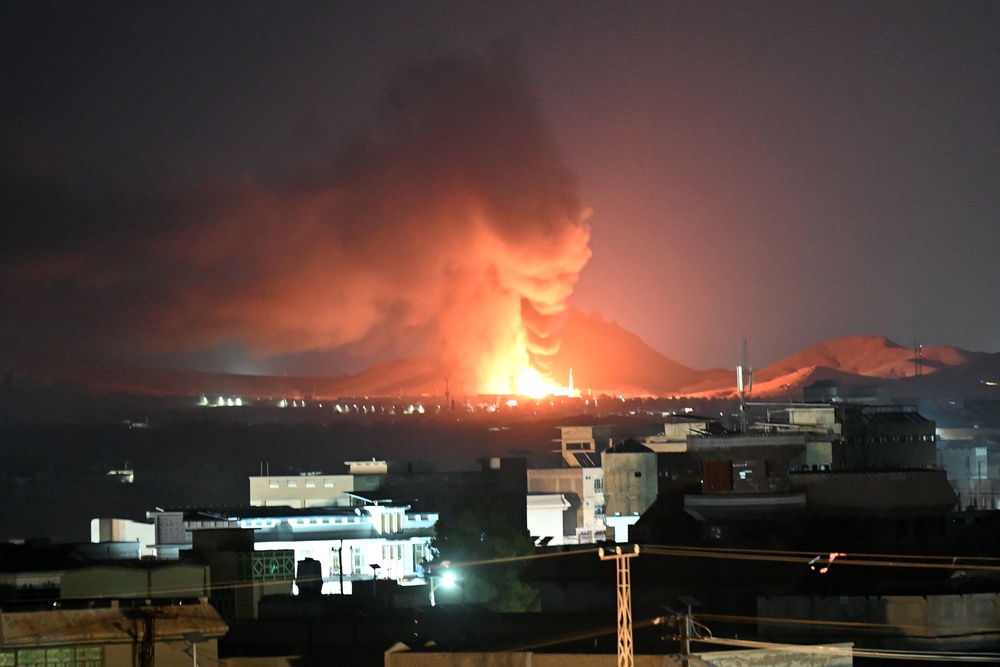
The Taliban authorities contradicted the Pakistani minister and said the strikes have once again targeted civilians, mostly women and children, inside a home.
What sparked the latest attack?
The immediate trigger was a series of attacks and clashes along the Pakistan-Afghanistan border.
On 18 September, a suicide attack at a mosque inside the police compound in Kohat, in Pakistan’s Khyber Pakhtunkhwa province, was followed by a gun battle between security forces and attackers.
At least 31 people, including 16 police personnel, were killed, with dozens of others injured.
A faction of the Pakistan Taliban, or TTP, claimed responsibility for the attack. Ittehadul Mujahideen, or Mujahideen Alliance, an organisation linked to Taliban commander Hafiz Gul Bahadur, said it carried out the suicide bombing. Pakistan has accused the Afghan Taliban of allowing the TTP and other armed groups to operate from Afghan territory and carry out attacks in Pakistan. Kabul rejects the allegations.
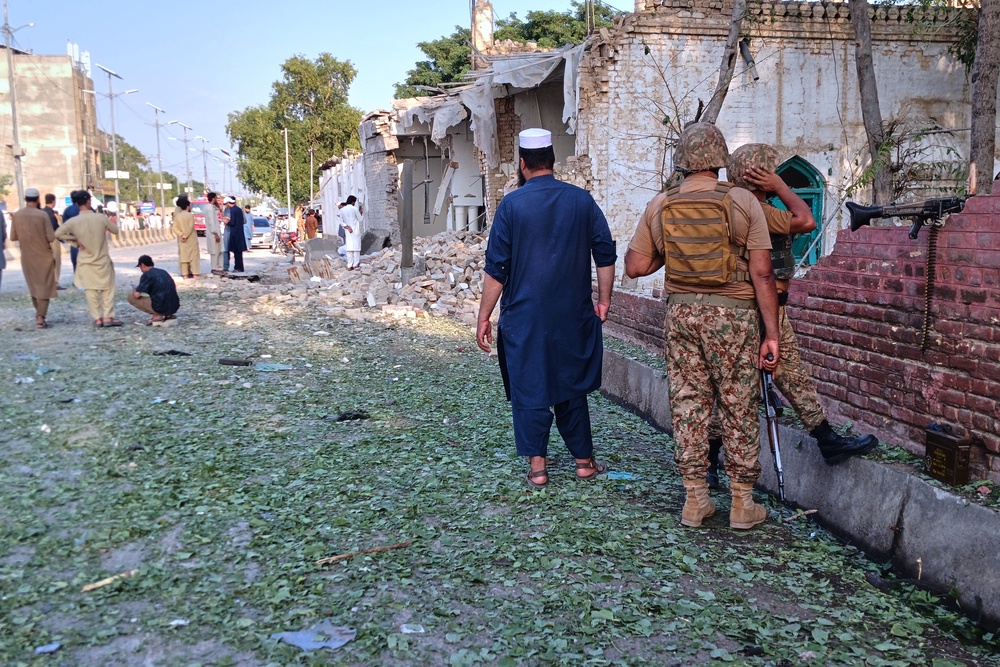
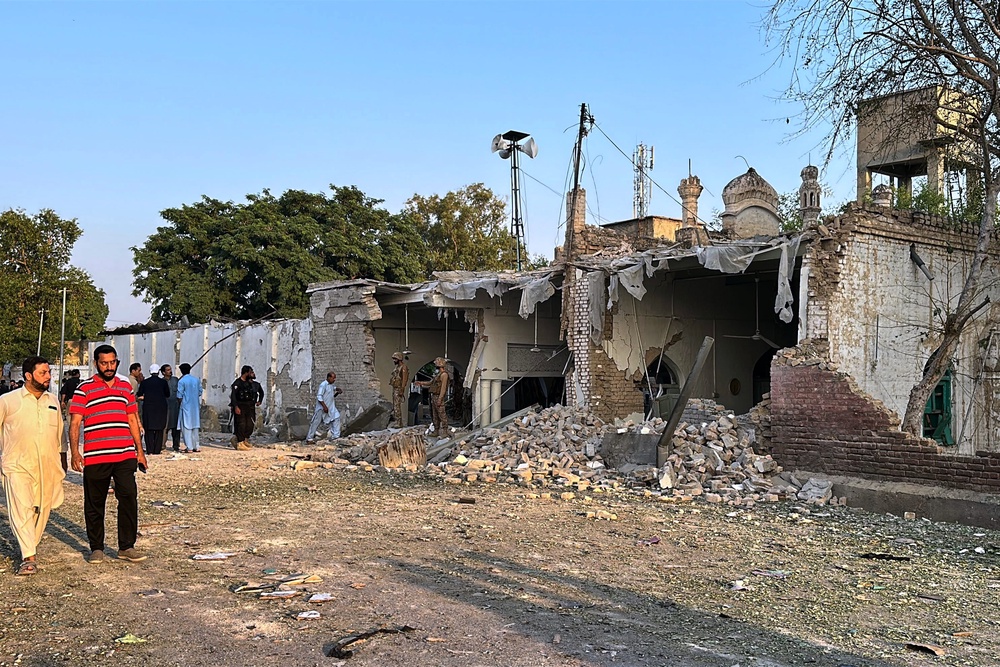
The explosion on 18 September severely damaged the mosque and caused the police station’s outer wall to collapse. Residents said the blast was heard from several kilometres away.
The attack followed a roadside bomb in nearby Hangu district of Khyber Pakhtunkhwa that killed six Pakistani soldiers. Pakistani authorities blamed militant groups operating from Afghanistan for the violence.
Pakistan responded on 21 September with air strikes in Afghanistan’s border provinces of Paktika and Kunar. Islamabad said 28 militants had been killed, while Afghan officials said three civilians – a man, a woman and a girl – were killed and four people wounded.
The latest escalation came two days later. Pakistan said eight drones launched from Afghanistan entered its airspace on Wednesday and were intercepted. On Thursday, it announced strikes on 10 locations in Afghanistan that it said were linked to the drones.
What is the origin of fighting between Islamabad and Kabul?
The core reason for the clash between the two sides goes back to increased militant activity seen in the past two years, with Pakistan blaming the Taliban-controlled government in Kabul for hosting and promoting terrorist groups.
Pakistani security sources had earlier said they had “irrefutable evidence” that militants in Afghanistan were causing a wave of attacks and suicide bombings on Pakistan’s military and police.
Pakistan claimed that one attack that killed 11 security personnel and two civilians in Bajaur district in 2024 was undertaken by an Afghan national. The attack was claimed by a Pakistani Taliban group, called the Tehreek-e-Taliban Pakistan (TTP), formed in 2007 by several militant outfits in northwest Pakistan.
But things reached their boiling point in late-February this year, coinciding with the conflict in the Middle East, when Pakistan said it was declaring “open war” on the Taliban and bombed Afghanistan’s major cities, including its capital Kabul.
“Our cup of patience has overflowed. Now it is open war between us and you [Afghanistan],” Pakistan’s defence minister Khawaja Muhammad Asif said on 27 February in the aftermath of the escalation.
Islamabad has long accused Kabul of harbouring TTP militants, also known as the “Pakistani Taliban”, claims that the Taliban deny.
The group has allegedly been involved in several terror attacks across Pakistan as the nation saw its deadliest year for combat deaths in a decade in 2025 due to counterterrorism operations.
Both countries share a significant Pashtun population, complicating the conflict.
When did cross-border tensions surge?
The fighting reached a particularly dangerous point in March. On 17 March, a wave of Pakistani attacks killed more than 400 people after missiles tore through a drug rehabilitation centre housing people recovering from addiction in Kabul.

Afghanistan’s deputy government spokesperson Hamdullah Fitrat said the airstrike from Pakistan hit the Omid addiction treatment hospital at around 9pm local time, turning the 2,000-bed facility in the Afghan capital to rubble.
The Taliban spokesperson said large sections of the facility had been destroyed and more than 400 people have been killed and at least 250 reported were injured.
Pakistan denied the accusation and claimed its forces “precisely targeted military installations and terrorist support infrastructure” in Kabul and the eastern Afghan province of Nangarhar, including equipment and ammunition storage allegedly used by insurgents that Islamabad says are responsible for attacks on its soil.
The Pakistani information ministry said Omid Hospital was miles away from Camp Phoenix, the "military terrorist ammunition and equipment storage site" that it said was targeted.
China stepped up mediation efforts as the fighting intensified, while Pakistan and Afghanistan later agreed to a temporary pause in hostilities over Eid.
How have the allies responded and is peace likely?
Regional governments have repeatedly attempted to mediate between Pakistan and Afghanistan.
Qatar and Turkiye helped broker the October 2025 ceasefire after several days of heavy fighting. The two countries also hosted follow-up negotiations in Istanbul, where the sides agreed to maintain the ceasefire and establish a monitoring and verification mechanism. However, the talks failed to resolve the central dispute over militant activity from Afghan territory.
China subsequently took a more prominent role. China hosted the two sides in April and Beijing later said Pakistan and Afghanistan had agreed not to escalate their conflict and to explore a solution.
Saudi Arabia has also been involved in diplomatic efforts, while Qatar and Turkiye remain among the countries seeking to facilitate dialogue.
However, repeated mediation efforts have failed to produce a durable political settlement. The latest strikes and border clashes threaten to further undermine those efforts, as both Islamabad and Kabul continue to accuse the other side of provoking the violence.
Read MoreTrump and Xi clash over AI at tense US state visit
A month after Nepal-Tibet floods, families await answers over 50 missing Ukrainians
Why Japan wants to amend the UN Charter to remove references to ‘enemy states’
At least four killed as Pakistan launches airstrikes on Afghanistan
Nepal’s deadly floods are ‘a warning to the world’, PM tells UN
Imran Khan’s son calls on world to stand up to ‘tyrants’ as Pakistan braces for march