
Walk into a grocery store in almost any American city, and you will probably recognize the names on the signs. Walmart, Kroger, Publix, Aldi, and other established retailers dominate much of the shopping experience, while genuinely new supermarket chains remain relatively uncommon. That can seem surprising when grocery prices are a frequent source of frustration and shoppers are constantly looking for better deals. You might expect rising costs to create opportunities for new businesses promising cheaper food or a different shopping experience. The reality is more complicated because opening a grocery store is expensive, operating one profitably is difficult, and competing with established chains requires more than a good idea. New grocery businesses do emerge, but many expand slowly, target specific customers, or grow by acquiring existing stores instead of building an entirely new chain.
Opening a Grocery Store Requires More Than a Building
Starting a supermarket takes considerably more than finding an empty retail space and filling the shelves. A new operator needs refrigeration systems, freezers, checkout equipment, inventory software, employees, and a reliable supply of products. Fresh departments add another layer of complexity because meat, dairy, seafood, and produce require careful temperature control and inventory management. The business also needs enough working capital to purchase merchandise, pay employees, cover utilities, and handle other expenses before sales become dependable. According to PwC’s 2026 analysis of regional grocery businesses, a newly built store can take two to three years to reach steady-state profitability. For an independent entrepreneur or an unfamiliar brand, that long financial runway can be a major obstacle.
Established Chains Have Advantages Newcomers Cannot Easily Match
Large grocery chains have spent years building relationships with suppliers, developing distribution networks, and learning what customers in different communities buy. Their scale can help them negotiate purchasing terms, move products efficiently, and spread certain business costs across many locations. A new chain must establish those systems while trying to attract customers who already have familiar places to shop. It may also struggle to match the prices shoppers expect from retailers that purchase enormous quantities of merchandise. The U.S. Department of Agriculture has documented the long-term growth of food retail concentration, with the largest retailers accounting for a substantial share of national food sales. That does not mean every local market lacks competition, but it helps explain why a new supermarket cannot easily challenge established players on price alone.
Grocery Shopping Is a Habit That Is Hard to Change
Price matters to shoppers, but it is not the only reason people choose a grocery store. Many customers shop near home or work, recognize the layout, trust the store’s produce department, and know which brands are consistently available. Others use loyalty programs, digital coupons, pickup services, or delivery options that make switching less appealing. A new chain must persuade customers to change those routines, often before it has built a reputation for quality and reliability. Offering lower prices can attract attention, but shoppers may still hesitate if the store has limited selection or is inconvenient to reach. That creates a difficult starting point: the business needs customers to grow, but customers may want proof that the business is worth trying first.
Why More Grocery Companies Buy Stores Instead of Building New Ones
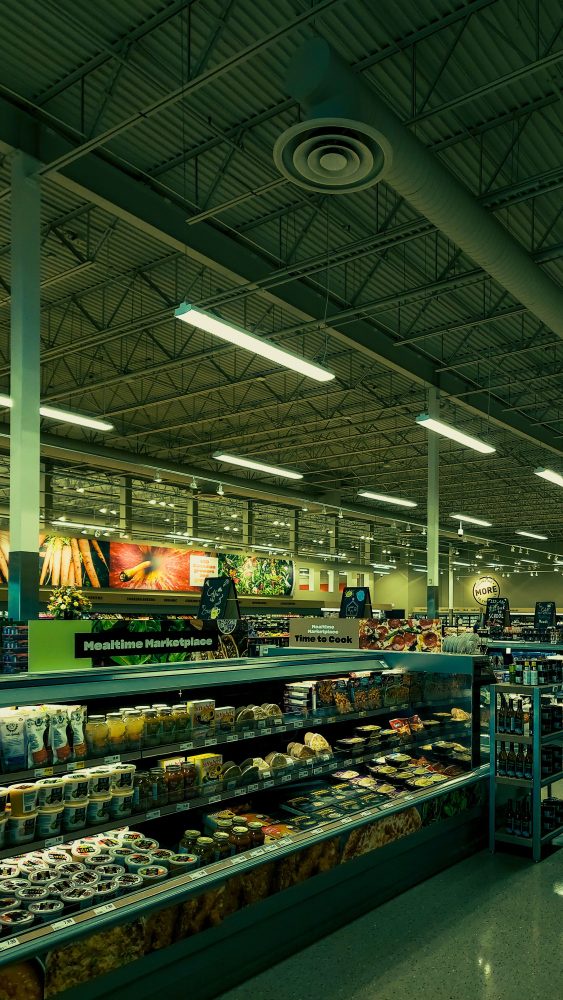
One reason shoppers may not notice many new supermarket chains is that expansion does not always involve a new brand. Established regional grocers can enter new markets by purchasing existing stores, gaining locations, employees, supplier relationships, and an established customer base in one transaction. PwC reported in June 2026 that grocery acquisitions have remained an active strategy, with roughly 20 grocery deals closing annually since 2020. Its analysis also explains why buying an existing operation can be more attractive than building a store from scratch. Acquisitions are not guaranteed to succeed, since companies still have to integrate operations and preserve customer loyalty. However, buying an existing business can offer a faster route to growth than starting with an empty building and an unfamiliar name.
New Grocery Concepts Still Have Room to Grow
The industry is not completely closed to newcomers. Some businesses focus on a particular community, regional specialty, international foods, natural products, or a narrower selection designed to keep operations manageable. These concepts can offer shoppers something that large general-purpose supermarkets do not emphasize. A specialized retailer may also have a clearer identity than a new chain trying to compete with every department at once. However, a concept that works in one neighborhood does not automatically translate into a profitable national business. Expanding requires finding suitable locations, maintaining consistent product quality, managing distribution, and adapting to local shopping habits. Growth may therefore happen gradually, making a successful newcomer less visible than a major chain opening dozens of stores at once.
Why Grocery Competition Matters to Your Shopping Bill
The number and variety of grocery retailers in an area can affect the choices available to shoppers. When several stores compete for the same customers, shoppers may have more opportunities to compare prices, find promotions, and choose between different product selections. The USDA’s research shows that grocery-market concentration varies by location, which means competition can look very different from one community to another. A town with several strong retailers may offer a different shopping experience from an area where only a few stores serve most residents. Still, adding a new chain does not automatically guarantee lower prices. Its impact depends on the products it sells, its operating costs, and whether it can offer a meaningful alternative to existing stores.
The Grocery Industry Is Difficult to Enter, Not Impossible to Change
The familiar grocery-store landscape is the result of years of investment, established shopping habits, and the challenges of operating on tight margins. Those barriers help explain why entirely new supermarket chains are less common than store openings from brands shoppers already know. Yet changes in consumer preferences and opportunities in specialized markets can still create room for new competitors. For shoppers, the most important question is not whether another chain appears, but whether it offers better prices, useful products, or a genuinely different experience. Until a newcomer can deliver those benefits consistently and operate profitably, the established names are likely to remain a major part of the grocery landscape.
What To Read Next
9 Grocery Items Where the Fancy Packaging Is Costing You More
Chains That Quietly Offer Senior Perks Year Round
Publix Confirms New Florida Store Openings This Month What Shoppers Can Expect
Walmart, Aldi or Kroger: Where Does a $100 Grocery Budget Stretch Furthest?
The post Why Aren’t There Any New Grocery Chains Popping Up? appeared first on Grocery Coupon Guide.