The Haryana Government on June 10 approved the formal constitution of the Anti-Terrorism Squad (ATS). The headquarters of the ATS will be based in Panchkula. The proposal was initially floated by former DGP OP Singh during his tenure and has now been formally notified. The ATS will be headed by an officer of the Inspector General of Police rank and will function under the command and control of the Criminal Investigation Department (CID).
Why has Haryana formed the ATS?
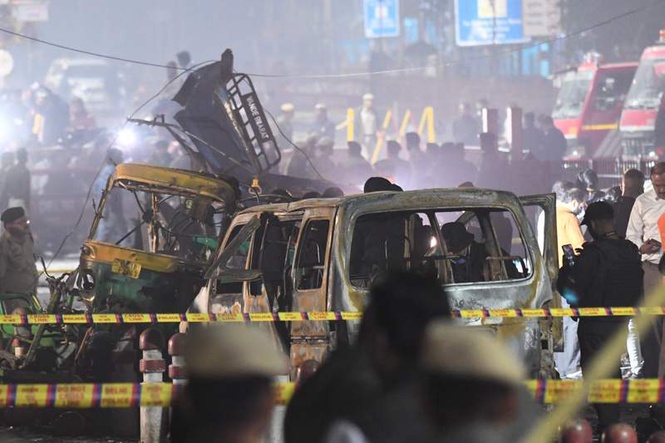
The decision comes in the wake of several security-related incidents, including a blast near the Red Fort on November 10, 2025, in which around 15 people were killed. The role of several doctors linked to Al-Falah University in Faridabad and individuals from Kashmir came under the scanner of investigative agencies. In another incident, approximately 2,900 kg of explosives were seized from two rooms in Faridabad.
Attacks were also reported at the Sirsa Women Police Station in November 2025 and at Baldev Nagar Police Station in January 2026.
Neighbouring states such as Punjab, Uttar Pradesh, Jammu and Kashmir, and Delhi already have dedicated ATS units. Earlier, intelligence gathering on terrorist activity in Haryana Police was handled by the CID. With the formation of the ATS, the unit will now handle operations, investigations and intelligence gathering.
What will be the key functions of the ATS?
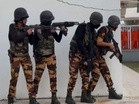
The ATS has been designed with a multi-tiered structure to address modern security challenges. A specially trained commando force, modelled on the National Security Guard (NSG), will be embedded within the ATS to carry out rapid response operations and sensitive missions.
The intelligence and operations branch will focus on identifying, monitoring and apprehending terrorist organisations and their operatives.
What is the purpose of the dedicated ATS police station?
A dedicated ATS police station will be set up for specialised investigation of terrorism-related offences. It will house integrated legal, financial investigation and forensic units under one roof.
What technological support systems will the ATS include?
A cyber and technical intelligence unit will monitor open-source intelligence, the dark web and suspicious digital activities. A data analysis and interception unit will process intelligence using advanced analytical systems. The training and research wing will conduct regular skill upgradation programmes, refresher courses and develop standard operating procedures (SOPs) to keep the force updated with modern counter-terrorism practices.
What role will the de-radicalisation unit play?
A de-radicalisation unit will run community awareness and rehabilitation programmes aimed at protecting youth from extremist ideologies.