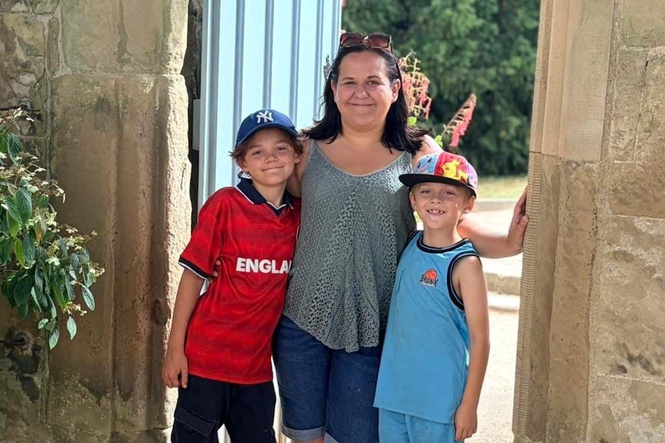
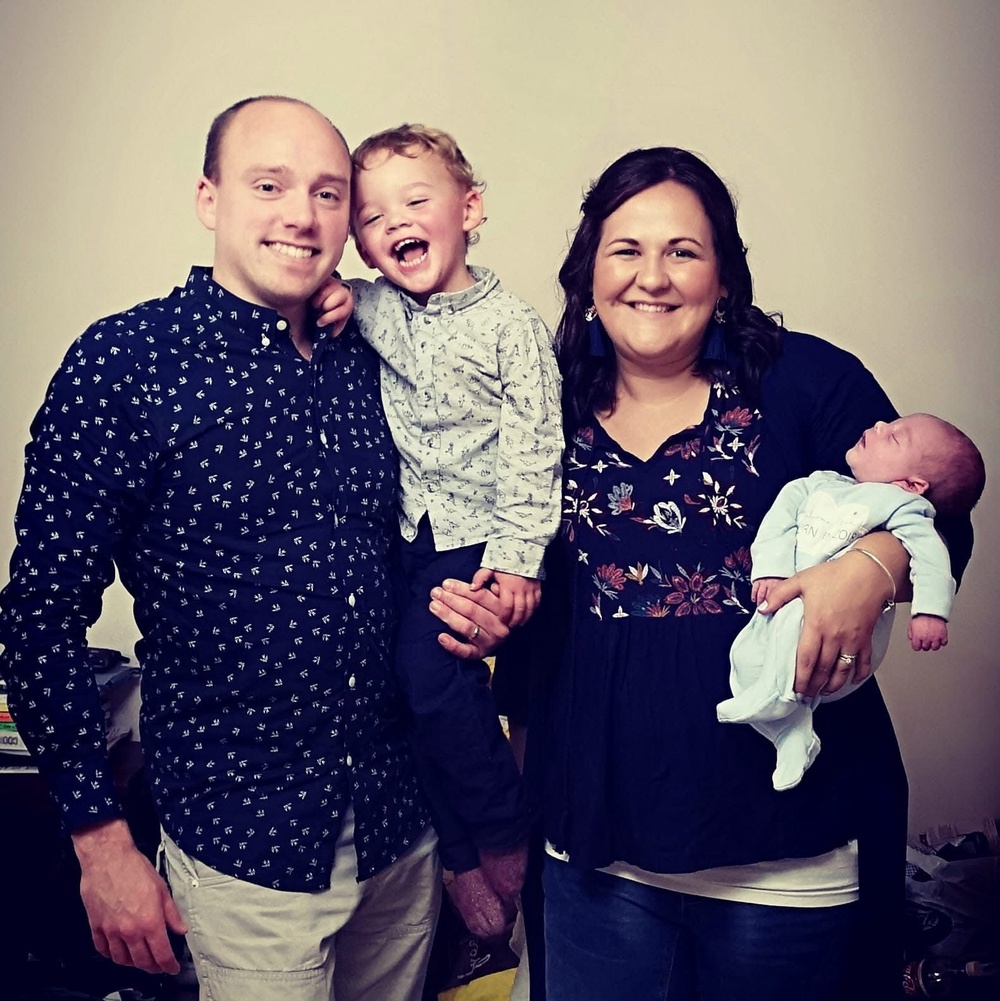
Nobody explains postnatal depression to you fully before you become a mother. So, when I went to baby groups after having my first son, George, in 2015, aged 27, I didn’t understand how some mums looked so perfect while I was drowning; how their kids weren’t snotty and prams were immaculate, while I struggled to leave the house.
The truth was, they could have been suffering too – they were just better at hiding it. I tried to conceal that I was struggling, but it didn’t work. Some days, I was so overwhelmed that I couldn’t function but felt guilty when my family helped out.
All in all, I felt like I was failing as a mother. I’d been determined to breastfeed but, when my midwife came round, there was no milk at all. A friend had to go and fetch me all the bottle and milk supplies because I hadn’t prepared to bottle-feed.
George lost weight. I felt incompetent. When we left the hospital, doctors said we’d be fine – but we weren’t.
I started having all of these irrational thoughts and fears, like mopping the floor three times a day, in case someone came round and saw the house wasn’t clean and took George away from me. I felt like I was going mad and didn’t recognise myself any more. I’d entirely lost my sense of self.
I spoke to doctors, my GPs, and joined Facebook groups about postnatal depression – but couldn’t get any proper help when I needed it.
My mental health symptoms accompanied physical ones. During pregnancy, doctors discovered I had a protein S deficiency and lupus anticoagulant, which made me susceptible to blood clots that required surgery.
Later, I developed vasculitis and blood vessels would burst in my legs, making it hard to walk. Soon, staying at home felt safer than venturing out.
About a year after my second son, William, was born in 2018, George started asking questions. He was only three and a half, but he was so inquisitive. Mostly, he wanted to know why we didn’t go out as much as other people; I didn’t really even take William to the baby groups. When Covid hit in 2020, he just wanted to go to the park.
So, George could tell that I was sad and, after a while, he thought it was his fault. I never, ever, wanted my children to feel responsible for my sadness, so I knew I had to give them an explanation.
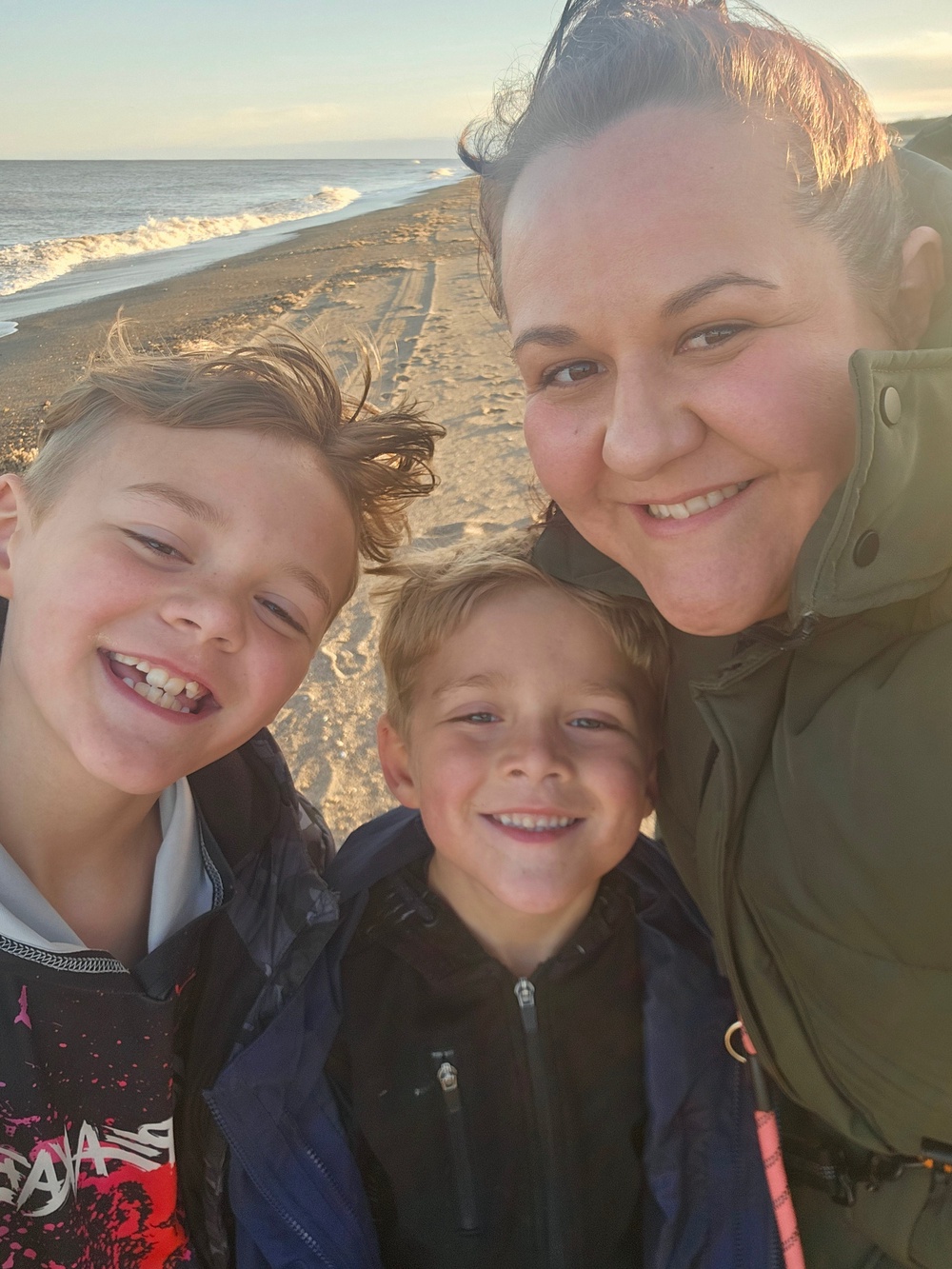
To help them understand, we read the picture book The Huge Bag of Worries by Virginia Ironside. In it, the main character has all of these worries that are so big that she can’t pull the bag along any more; she has to speak about them, take them out bit by bit, to unpack all that sadness. So, we’ve had grown-up conversations in childlike ways.
When George asked what postnatal depression meant, I explained it at his level: “Having a baby is hard, adults can struggle, and sometimes you can love your child enormously while still feeling you aren’t good enough.” My message to them became: sometimes you’re so busy trying to be a good mum that you forget who you are.
It might be that they say, “Mummy, why are you so sad?” and I might say that it’s because I couldn’t do what I needed to do that day. Then, they’ll say, “OK, well, maybe we can do it together”.
They want to help. They want to be there. They’ve learned that it’s okay to do hard things. You don’t have to be strong all the time; you can be vulnerable and still achieve your goals. It’s just about communication; it’s better to talk about it than hold it in – and I know that they love me unconditionally.
I know that a lot of people might say that I’ve added to George and William’s worries, but I don’t agree. They’re still naughty. They still get up to mischief and act like kids – but if I’m sad, they’re there for a cuddle, just like I’m there for them.
George once said: “Mummy, you tell us not to be scared, so you shouldn’t be either.” From that conversation, I began doing things even though I was scared. He gave me courage.
Ultimately, our family just tries to be really open about our emotions. We talk; we do little activities on self-worth and anger when they’ve been wound up about school or whatever else.
It makes me proud that they recognise when somebody’s sad, which they’re both so good at now, especially at school, among their friends – and teachers have noticed that.
I’ll never regret talking to my boys, now eight and 10, about what I went through. They’ve now seen me actively want something for myself – to build a business, write a book to help other mothers – and move forward.
I know myself now. I’ve become happier and they’ve celebrated the change within me. They’ve seen me grow, seen me struggle, and still get through challenges for them and with them. My children are my legacy, but they aren’t responsible for fixing me or making me happy.
I want them to see that loving your family and having an identity of your own aren’t opposites. I’m humbled by them – and I hope they grow up knowing that they can always be themselves and build the life that they want. I hope that I’ve shown them that.
Sophie Harris is a clarity coach and the author of ‘Remember Her? A guide for mums in business to reconnect with themselves’
Read MorePoppy O’Toole has an important message for her trolls
Kim Kardashian reveals she was single for five years to ‘heal’ from romantic past