
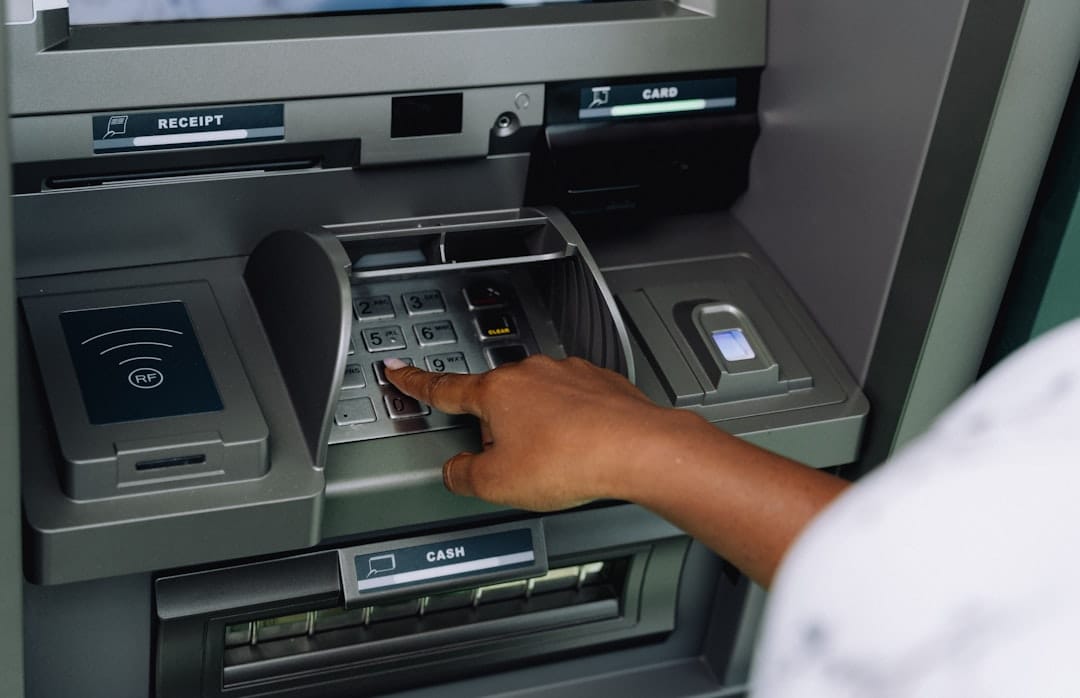
Have you ever walked away from an ATM thinking it was broken, only to find money missing from your account later? That is exactly what happened to people in places like Texas this year, where criminals used a hidden device to trap cash that should have been dispensed, then came back later to collect it without victims ever knowing. (Yahoo)
That unsettling scenario is part of a fast‑evolving global trend in ATM fraud. Traditionally people feared card skimmers or phishing. But now the scam landscape includes cash‑trapping tricks, criminal syndicates using deception and technology to steal cash or access your bank account, and sophisticated phone scams to seize ATM cards and PINs. (Facebook)
This article dives into the latest “ATM broken trap” schemes, what drives them, how they work, and what banks, police, and everyday customers can do to fight back.
What Are the New ATM Scam Tactics?
1. Cash Trapping: The “Machine Malfunction” Illusion
One of the newest tricks in the fraudster playbook is ATM cash trapping. In this scheme, criminals insert a hidden device inside the cash dispenser so that it looks like the machine has malfunctioned and not paid out money. Customers think the ATM is broken, leave, and the crooks return later to remove the trap and collect the cash. This scam has been documented in places like the US and Europe and involves nothing more than tape and a device that fits over the cash slot. (Facebook)
The genius of this scam lies in its simplicity. It exploits human trust in machines. When the screen shows “Error” or cash doesn’t drop, many users walk away, assuming a technical glitch. In reality, the machine has been tampered with. (probinson@cfl.rr.com)
2. Deceptive Phone and Identity Scams Targeting ATM Access
Another variant has emerged closer to home. In December 2025, Malaysian police reported a victim was contacted by someone pretending to be an officer from the National Scam Response Centre. The scammer tricked the person into placing their ATM card and PIN at a “designated location” for investigation. After that, unauthorised withdrawals were made from the victim’s account. (The Edge Malaysia)
This isn’t an isolated case. Malaysians have been targeted by calls claiming to be police or bank officials, urging them to share sensitive banking details. Banks have warned customers to be wary of unsolicited calls asking for ATM card information or instructing them to perform transactions. (Maybank2u)
3. Mule Accounts and Syndicate Schemes
Beyond individual scams, large networks are exploiting ATM systems in organised ways. Police in Malaysia arrested 71 people in a nationwide operation related to ATM fraud and syndicate activities. Many suspects acted as mule account holders whose bank accounts, including ATM cards, were used to withdraw funds gained from scams. (The Vibes)
In another bust, authorities seized nearly 3,000 ATM cards linked to a loan shark syndicate, where “runners” withdrew cash from victims’ accounts as part of illegal activities. (Malay Mail)
These schemes transform what was once a simple bank transaction into a complex criminal enterprise and show how financially driven syndicates adapt to exploit weak points in the banking ecosystem. (The Star)
How Do These Scams Work Technically and Psychologically?
1. The Mechanics of a Cash Trap
Cash trapping devices come in two main forms. Some are obvious physical add‑ons stuck to the cash slot. Others are hidden inside the dispenser. They capture the bills that should be released to the customer. After the victim walks away thinking the machine failed, criminals remove the device and collect the trapped cash. (Facebook)
While older scams like card skimming relied on copying magnetic strip data, modern cards use chips, making skimming harder. So criminals shift to low‑tech tools like cash trapping that target cash output rather than card information. (netsentries.com)
2. Psychological Manipulation: Trust and Authority
Phone scams and identity fraud rely on human psychology. Scammers pose as trusted authorities (police or scam response officials) and use fear and urgency to manipulate people. A pensioner in Malaysia lost RM750,000 after interacting with someone pretending to assist with an investigation and was coaxed into giving up two ATM cards and their PIN. (The Sun Malaysia)
These scams exploit compliance bias. People often obey perceived authority figures, particularly when they think they are solving a serious legal or financial issue. Criminals know that fear and confusion make targets more likely to follow instructions without question.
3. Organised Networks and Economic Drivers
Large‑scale scams aren’t random. They are driven by criminal networks with clear economic motives. Mule account syndicates often recruit individuals sometimes students or unemployed people with offers of easy money to use their bank accounts and ATM access for illegal withdrawals. (Malay Mail)
These networks can extract significant sums from multiple accounts in multiple jurisdictions. That turns petty frustration at an ATM into a broader economic attack on financial systems.
What Do Authorities and Banks Say?
1. Police and Scam Response Units
Malaysian police are aware of the trend and actively investigating these frauds. They emphasise that official bodies will never ask for your ATM card or PIN over the phone and urge the public to verify any suspicious contact immediately. (NFCC)
Operations like “Ops Khas Kad ATM” show law enforcement is targeting ATM fraud networks, arresting suspects and seizing hundreds of compromised ATM cards. (The Vibes)
2. Bank Negara and Financial Institutions
Bank Negara Malaysia is stepping up digital security to combat rising financial scams. Authorities note residents in states like Penang lost over RM90 million to scams. They assert that fraud tactics are evolving and urge increased vigilance and security. (The Sun Malaysia)
Banks also publish guidelines reminding customers not to share PINs or sensitive banking information with anyone, especially unsolicited callers. The advice includes contacting banks directly if a suspicious incident occurs. (Maybank2u)
3. Public Awareness Campaigns
Malaysia has engaged banks and communications regulators to remove scam content online and educate the public. In 2025 alone, the Malaysian Communications and Multimedia Commission removed over 32,000 scam‑related items. (The Star)
But experts warn that the “real fight” against scams isn’t only at ATMs. They say the emphasis must be on online and phone fraud prevention, as these channels account for most losses. (Free Malaysia Today)
How You Can Protect Yourself Right Now
1. Inspect the ATM Before Use
• Look for odd attachments on the cash slot or card reader.
• Wiggle the card reader gently to detect unusual overlays.
• Cover your hand when entering your PIN. (This helps prevent shoulder surfing). (Facebook)
2. When Cash Doesn’t Drop
• Don’t walk away immediately if cash doesn’t dispense. Call the bank number on the ATM.
• Confirm whether a withdrawal was initiated and whether cash was released or trapped. (probinson@cfl.rr.com)
3. Be Skeptical of Unsolicited Calls
• No bank or police will ask for your ATM card, PIN, or bank details by phone.
• If contacted about financial or legal issues, hang up and call the official number listed on your bank’s website. (Maybank2u)
4. Report and Freeze Fast
• Report suspicious activity immediately to your bank and police.
• Freeze the card or account if you suspect fraud before larger transactions occur.
5. Use Digital Alerts
• Enable transaction notifications on your banking app.
• You will then receive immediate alerts for withdrawals or transfers.
What do you think? I’d love to hear your opinion in the comments section.
The rise in ATM scam tricks like cash trapping and phone deception shows how criminals adapt when technology and psychology intersect. ATMs were once simple machines that dispensed your own money. Today they are part of a larger battlefield where fraud, deception, and weak points in human behaviour are exploited in clever ways.
Understanding these schemes, spotting the signs before it’s too late, and knowing how banks and police respond gives you power. Scammers count on hesitation, confusion, or misplaced trust. You can take control by staying alert, verifying every suspicious contact, and reporting anomalies fast.
AM World (tameer.work88@gmail.com) is a content creator under the Newswav Creator programme, where you get to express yourself, be a citizen journalist, and at the same time monetize your content & reach millions of users on Newswav. Log in to creator.newswav.com and become a Newswav Creator now!
The User Content (as defined on Newswav Terms of Use) above including the views expressed and media (pictures, videos, citations etc) were submitted & posted by the author. Newswav is solely an aggregation platform that hosts the User Content. If you have any questions about the content, copyright or other issues of the work, please contact creator@newswav.com.
