
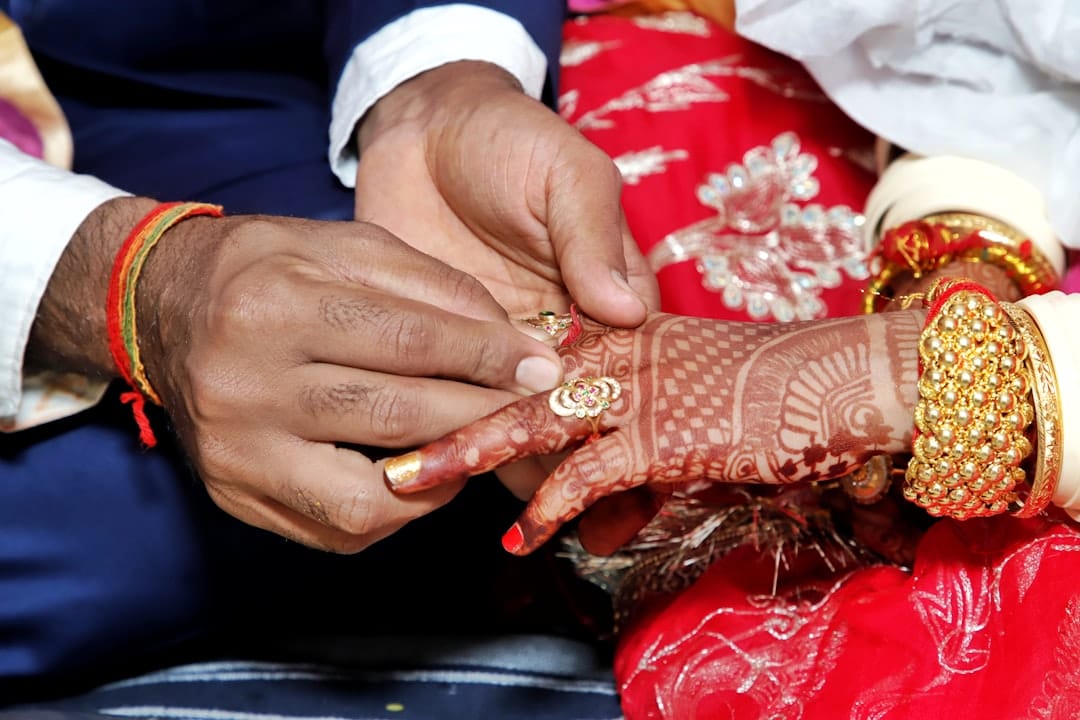
Have you ever seen Malaysians online baffled, shocked, outraged or confused by a law that seems to allow a Hindu man to marry his sister’s daughter, or a woman to wed her mother’s brother? That reaction has popped up in social conversations and forums, with people calling it weird, archaic, or even illegal globally. The reality behind the law is factual and rooted in Malaysia’s legal and cultural diversity, not a loophole for anything harmful.
What Malaysian law actually says
Malaysia’s Law Reform (Marriage and Divorce) Act 1976 sets out who can and cannot marry under civil law. Most close family pairings are forbidden in Section 11 of the Act. It says people cannot marry family members such as parents, siblings, grandchildren, nieces and nephews. That is clear and broad. Law Reform
But the Act also contains one specific exception:
- A Hindu person is not prohibited from marrying his sister’s daughter (niece) or her mother’s brother (uncle) when the marriage is under Hindu law or custom. (lawyerment.com)
This legal allowance only appears there to respect religious and cultural practices for Hindus in Malaysia. It does not apply to other religions or civil marriages. (lawyerment.com)
Why this strange-sounding rule exists
Many people hear “niece and uncle marriage allowed” and assume the law is broken or outdated. But this is rooted in how Malaysian law treats religious and cultural practices for non-Muslims.
Malaysia is not a country with one single secular marriage code. Instead:
- Non-Muslim marriages are governed by civil law, but
- The law explicitly recognises religion and custom as valid forms of solemnising marriage when those customs don’t conflict with public policy. (Studocu)
For Hindus, avunculate marriage (marriage between uncle and niece) was historically recognised in parts of South Asia, including some Hindu communities in India. Early legal drafters chose to preserve that cultural element within Malaysia’s multi-religious society. (aarcentre.com)
In other words, this exception is not a general “anything goes” rule. It is an acknowledgment of cultural diversity within civil law.
What the law does not allow
It’s important to set facts straight:
- This exception does not mean all forms of incestuous marriage are legal in Malaysia. Most close-kin marriages remain prohibited. (lawyerment.com)
- The provision only applies if the couple solemnises their marriage according to Hindu ceremonial law or custom. (Studocu)
- It only applies to the specific relationships named in the statute. (lawyerment.com)
Malaysia also allows, in some cases, a state Chief Minister’s licence for marriages that would otherwise be barred, only when it’s “unobjectionable under the law, religion, custom or usage applicable to the parties”. That adds a layer of administrative oversight. (lawyerment.com)
Cultural and legal complexity
This piece of law reflects how Malaysia handles sensitive social issues in a way that tries to balance:
- Uniform civil standards
- Respect for religious customs
- Multi-religious societal norms
Cultural practices can vary widely even within Hindu communities. In some South Asian regions, marriages between extended-family members including maternal uncles and nieces were common in past generations. Lawmakers included this exception because they saw it as a cultural practice with its own internal logic, not a loophole for abuse. (aarcentre.com)
Still, this does not erase public concern. Younger generations, especially in urban Malaysia, rarely practise such customs. Many see the law as antiquated or confusing.
Public perception and misconceptions
Online discussions often show strong emotional reactions:
- Some Malaysians think this law means incest is legal in Malaysia. That is incorrect. It only relates to what marriages are allowed, and only in specific religious contexts.
- Others assume all religions are treated the same legally. In Malaysia, marriages for non-Muslims are regulated differently from Muslim marriages, which follow Islamic family law.
Most ordinary Hindus in Malaysia do not practise marriage between uncles and nieces today. Modern values, education, and health considerations have made such traditions uncommon, even in communities with historical precedent. (SOSCILI | Luar sensasi, dalam berisi)
Health and ethical considerations
Medical research from outside Malaysia notes that close-kin relationships raise genetic risks for children and that public health standards generally discourage them. (This view is widely accepted internationally though not specific to Malaysian law.)
Ethicists argue that even if a culture once accepted certain kin marriages, modern legal systems should prioritise individual rights and protection from harm.
Malaysia’s approach tries to thread a fine needle: allow cultural customs while keeping general prohibitions for most close-family relationships.
What experts say
Legal scholars note that the exception in Section 11 is a rare case where civil law formally incorporates religious custom. The intent was not to encourage these marriages but to avoid legal conflict for communities with long-standing traditions. (aarcentre.com)
Family law specialists point out that civil law aims primarily to maintain social order and clarity about lineage, inheritance, and family rights, not to shape customs. Exceptions were included to prevent legal challenges where tradition and statute might otherwise clash. (Studocu)
How this plays out in real life
In practice:
- Very few Hindu couples in Malaysia today choose these marriages.
- Clerics, community leaders, and civil registrars generally follow strict procedures.
- Modern marriage decisions are driven more by personal choice, education, and social norms than by old customs.
This makes the legal exception more symbolic than practical, but it remains part of the statute unless lawmakers revise it.
What do you think? I’d love to hear your opinion in the comments section.
Malaysia’s marriage laws are a mirror of its cultural complexity. They try to balance civil uniformity with respect for religious diversity. The clause that allows certain Hindu marriages between uncle and niece is not an endorsement of close-kin relationships. Instead, it reflects legal compromises made decades ago to avoid forcing religious communities to abandon longstanding practices. As Malaysian society evolves, these conversations will continue, and legal reform may follow broader social expectations.
AM World (tameer.work88@gmail.com) is a content creator under the Newswav Creator programme, where you get to express yourself, be a citizen journalist, and at the same time monetize your content & reach millions of users on Newswav. Log in to creator.newswav.com and become a Newswav Creator now!
The User Content (as defined on Newswav Terms of Use) above including the views expressed and media (pictures, videos, citations etc) were submitted & posted by the author. Newswav is solely an aggregation platform that hosts the User Content. If you have any questions about the content, copyright or other issues of the work, please contact creator@newswav.com.