
Table of Contents
From Killmonger to Maleficent, modern cinema rewrites what it means to be the bad guy
There was a time when movie villains were easy to understand. They were evil because the story needed someone to defeat. They wanted power, destruction or revenge, and audiences rarely questioned why. Heroes wore white, villains wore black, and morality was comfortably straightforward. That is no longer the case.
Some of the most memorable antagonists of the past decade were not terrifying because they are evil. They are compelling because they make us uncomfortable. They force us to ask whether the hero could have done better, whether society created the villain or whether the line between good and evil was ever as clear as we thought.
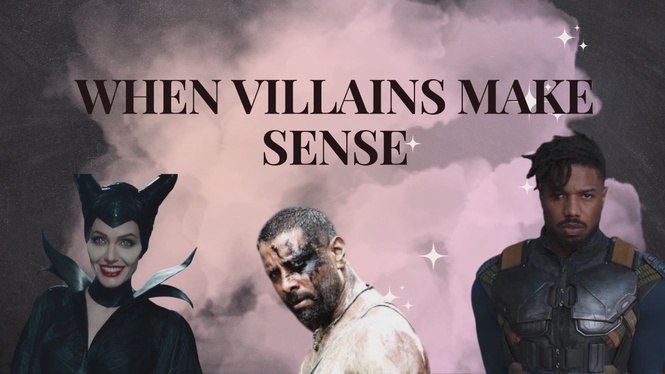
Characters such as Erik Killmonger in Black Panther, Maleficent in Disney’s 2014 reimagining of Sleeping Beauty and Veera in Mani Ratnam’s Raavanan are remembered not because audiences agree with their actions, but because they understand where those actions came from. The difference is subtle, but important.
Killmonger: Right about the wound, wrong about the cure
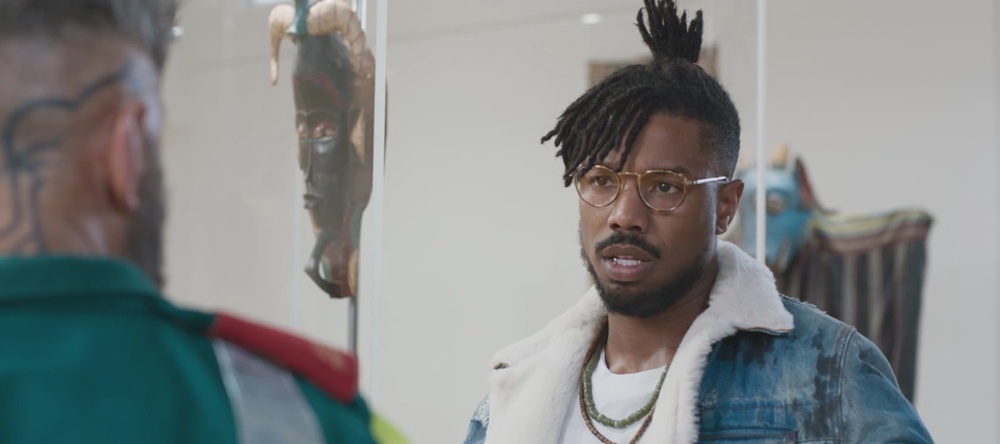
Few Marvel villains have inspired as much debate as Erik Killmonger. Unlike many comic book antagonists, Killmonger does not want destruction for its own sake. His worldview is shaped by abandonment, racial injustice and Wakanda’s refusal to intervene while Black communities around the world continue to suffer.
His criticism of Wakanda is difficult to dismiss. Especially when it is tied to the well-known African proverb often associated with his character arc in the movie:
“The child who is not embraced by the village will burn it down to feel its warmth”
As the son of N’Jobu, he grows up in Oakland after his father is killed and is left behind while Wakanda flourishes as an advanced nation hidden from the rest of the world. His anger stems from genuine abandonment rather than simple ambition. More importantly, he forces King T’Challa to confront a question the kingdom has long avoided. Can a nation with immense wealth and power justify standing aside while others continue to face oppression? That is why Killmonger remains such a fascinating antagonist. He identifies a real injustice.
However, where he loses the audience is in his solution.
Rather than seeking reform, he chooses conquest. He plans to arm revolutionaries across the world, seize Wakanda’s throne and replace one form of domination with another. His fight for liberation gradually becomes a pursuit of power, with violence becoming both his method and his identity. In the end, Black Panther neither fully rejects nor fully embraces Killmonger’s ideology.
Instead, it allows T’Challa to recognise the truth within Killmonger’s criticism while rejecting the cruelty of his methods. At the same time, Wakanda opens itself to the world, acknowledging that its isolation was part of the problem. Killmonger was right about the wound. Unfortunately. he was wrong about the cure. And that cost him his own life.
Maleficent: Villain transformed by betrayal
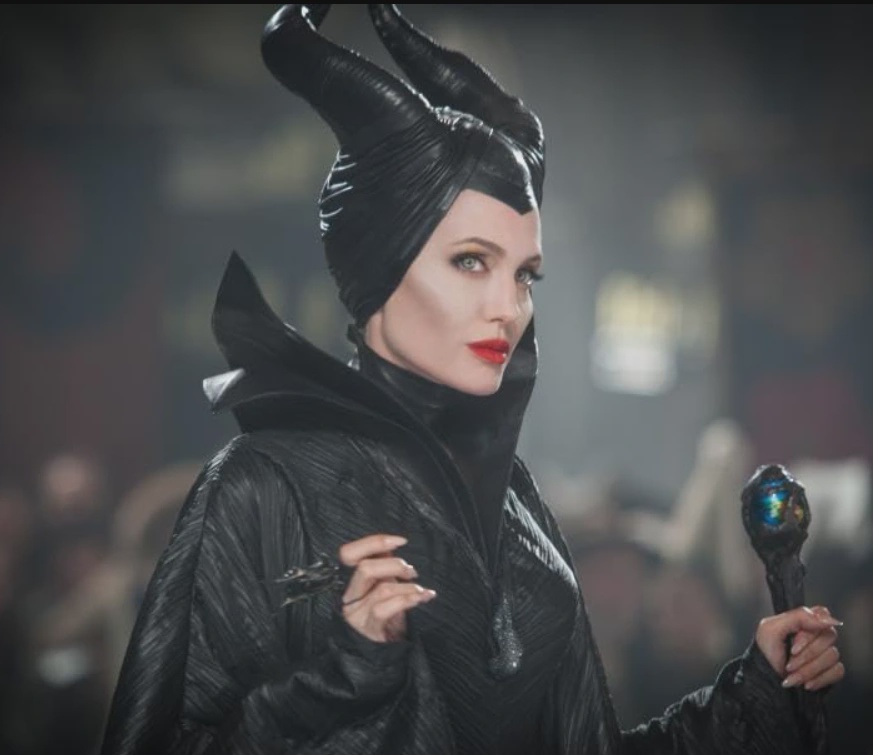
Disney’s Maleficent performs a different kind of revision. Rather than presenting its iconic villain as inherently wicked, the 2014 film asks what happened before the curse.
The answer is betrayal. Maleficent begins as the protector of the Moors before Stefan, the man she loves, drugs her and cuts off her wings in pursuit of the throne. It is one of Disney’s most emotionally devastating moments, representing not only physical violence but also the loss of trust, identity, freedom and autonomy. For the first time, the curse placed upon Princess Aurora has emotional context.
“I had wings once. They were strong, but they were stolen from me.”
Maleficent’s anger becomes understandable. It is born from grief rather than malice. Yet the film never suggests that her pain makes her actions acceptable.
Aurora is innocent, yet she becomes the target of Maleficent’s revenge simply because she represents Stefan’s bloodline. Trauma explains Maleficent’s behaviour, but it does not excuse it. What makes her story remarkable is that it does not end there.
As Aurora grows up, Maleficent begins to see her as an individual rather than as a reminder of betrayal. Compassion slowly replaces bitterness, leading to one of Disney’s most powerful redemption arcs. Her greatest act of revenge is not destroying Stefan. It is refusing to become like him.
And this is possibly what allows most viewers to empathise with her character, despite her being the villain of the story.
Veera: The man behind the monster
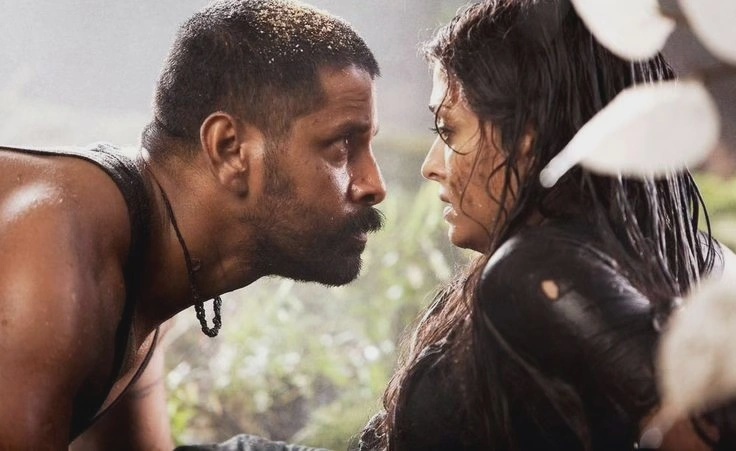
If Killmonger questions justice and Maleficent explores trauma, Veera from Mani Ratnam’s Raavanan challenges perspective itself. To the police, Veera is a ruthless criminal. To the villagers, he is a protector.
His nickname, Ravanan, reflects that contradiction. Like the mythological Ravana, whether he appears as a villain or a hero depends entirely on who is telling the story. Veera’s violence is rooted in injustice.
His sister’s death and the abuse of power by law enforcement become the catalyst for his rebellion. Mani Ratnam deliberately blurs the line between law and morality by revealing that Dev, the police officer pursuing Veera, is far from morally flawless himself. Another thing to consider is that the audience is never asked to approve of Veera. Instead, they are asked to understand him.
Vikram’s performance reinforces this complexity. Veera shifts effortlessly between tenderness, humour, rage and vulnerability, making him feel less like a conventional villain and more like a deeply damaged human being. Still, understanding him does not erase the harm he causes.
His act of kidnapping Ragini, subjecting her to fear and repeatedly allowing revenge to dictate his choices, shows the audiences that while we can understand why he is the way he is, his actions do not make him innocent. Like Killmonger, Veera’s tragedy lies in allowing genuine injustice to consume him until he becomes part of the very cycle of violence he set out to resist.
Why audiences embracing morally grey characters
What connects Killmonger, Maleficent and Veera is not that they are secretly heroes. It is that they reveal something modern audiences increasingly recognise. People are rarely born evil.
They are shaped by trauma, abandonment, grief, injustice and impossible choices. Contemporary storytelling has shifted away from simple heroes and villains because audiences have become more interested in motivation than morality. We no longer ask only whether a character is good or bad.
We ask why they became that way. However, that does not mean every villain deserves redemption. Nor does empathy require forgiveness. Instead, these stories remind us that understanding someone is very different from excusing them.
Perhaps that is why these characters continue to resonate long after the credits roll.
READ MORE:
From Met Gala to Marilyn Manson: Dickson Lim strikes again
We reviewed ‘Central Music Festival 2026’, here is what we think
(Review) Voicemails for Isabelle: Is this Netflix rom-com worth watching?