It may cost you more to be environmentally cautious.
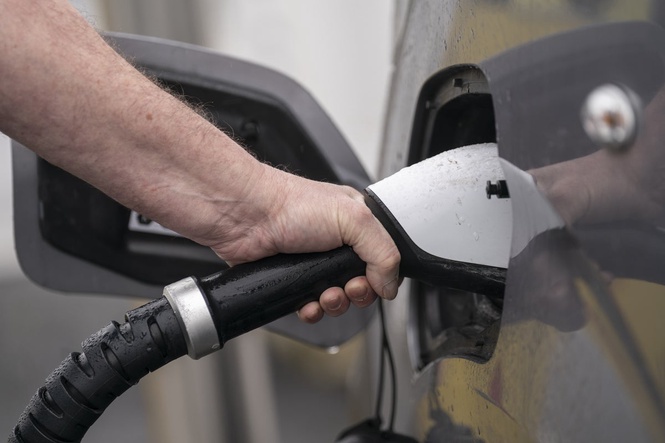
Under the proposed BUILD America 250 Act, electric vehicle owners would pay a new $130 annual federal fee. The fee would increase by $5 every two years, up to a maximum of $150. Owners of plug-in hybrids would pay $35 a year.
The proposal is part of a five-year, $580 billion highway funding package aimed at renewing federal transportation programs and paying for road repairs and infrastructure projects.
The federal government relies partly on gasoline taxes to fund highway construction and maintenance. Because electric vehicles don't use gasoline, their owners don't pay into that funding stream through fuel taxes. Supporters say EV drivers should help pay for the roads they use, just like drivers of gas-powered vehicles.
The proposal was introduced by House Transportation and Infrastructure Committee Chairman Sam Graves, a Republican from Missouri, and the committee's top Democrat, Rep. Rick Larsen of Washington.
Larsen supports the fee, saying that all drivers should contribute to road maintenance regardless of what they drive.
“I came in in 2001 supporting the user-pays principle, and it’s 2026, and I haven’t changed my view of that,” Larsen told E&E News, a Politico publication, in May.
The proposal would also send 20 percent of the money collected toward the Department of Transportation's mass transit account, Larsen said.
Republican Sen. Shelley Moore Capito of West Virginia has also backed the idea.
“They use the roads, they should help pay,” Capito said, according to the outlet
Meanwhile, Democratic lawmakers and environmental groups argue that making EVS more expensive could discourage consumers from making the switch.
Sen. Ron Wyden, a Democrat from Oregon, accused Republicans of targeting the electric vehicle industry.
“This is another right-wing ideological trophy. They just don’t want to have renewable energy in the future, and they think these ideas up pretty regularly,” Wyden told E&E News.
Wyden also said the proposal was “off the table” in negotiations over the transportation bill.
Sen. Sheldon Whitehouse, a Democrat from Rhode Island, also questioned whether the fees would address the country's highway funding needs.
“Slapping a fee on electric vehicles isn’t a solution for the Highway Trust Fund,” Whitehouse said in a May statement.
The Natural Resources Defense Council also opposed the proposal, arguing that the fees would add costs for drivers while reducing investments in electric vehicle charging stations.
“This legislation is a punch in the gut to the millions of Americans struggling to pay higher prices at the pump,” Shruti Vaidyanathan, the group's director of federal and state transportation advocacy, said of the proposal in a May statement.
“With Americans demanding more affordable transportation options as gasoline tops $4.50 a gallon, this bill would impose an onerous new fee on electric vehicles and plug-in hybrids, while slashing investments in new EV chargers. Congress should be boosting investments in projects that cut costs, cut emissions, create jobs, and build a transportation system that works for all Americans. This bill largely ignores the need to build cleaner, more affordable transportation options,” she continued.
The group urged lawmakers to reject the fees and continue investing in electric vehicle infrastructure.
Read MoreHow does your budget compare with the average American?
Goldman Sachs forecasts AI spending will hit $1.4 trillion by end of 2027
Every American will see heating bills rise 7%, leaving millions at risk this winter
A major change is taking place in holiday hiring
Gourmet hot dog chain plans massive expansion across states
This easy household trick could reduce your energy bill by 10%