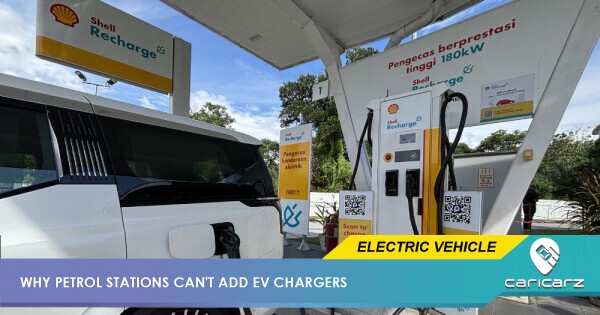

If you drive an electric vehicle in Malaysia, chances are you have experienced range anxiety at least once while traveling outside major urban hubs. Cruising down a highway or heading into a rural town, it seems logical that your local petrol station, a spot built specifically for refueling, should have an EV charger ready.
However, pulling into a pump bay hoping for a quick battery boost often leads to disappointment. Many drivers blame station operators for failing to adapt to the green transition, but the truth is far more complicated.
According to a report by the New Straits Times, the Petroleum Dealers Association of Malaysia (PDAM) highlighted that individual station owners are facing massive hurdles. Between corporate restrictions, multi-hundred-thousand-ringgit costs, and strict fire safety regulations, adding an EV bay isn't as simple as plugging in a device.
⚡ TL;DR: Why Petrol Stations Lack EV Chargers No Autonomous Power: Nearly 70% of petrol stations in Malaysia are brand-owned, meaning dealers must follow oil company nationwide masterplans. Six-Figure Fast Charger Costs: Drivers demand high-speed DC fast chargers (under 30-min charge time), but installation requires hundreds of thousands of ringgit plus expensive power grid upgrades. The Rural Catch-22: Operators avoid low-EV rural areas due to low ROI, leaving out-of-town drivers without chargers and locals hesitant to buy EVs. Strict Fire Safety Setbacks: Bomba safety rules mandate large buffer distances between chargers, petrol pumps, and underground tanks to prevent fuel vapor ignition—disqualifying compact stations.1. "Dealer Doesn't Have Much Of A Say"The biggest misconception among drivers is that independent petrol station operators call the shots on their own forecourts.
PDAM President Datuk Khairul Annuar Abdul Aziz revealed that almost 70% of petrol stations in Malaysia are owned directly by the oil brands themselves, with individual operators accounting for only the remaining fraction.
"The dealer doesn't have much of a say in this. They can push for it, but the oil company has its own nationwide plan."
Because station rollouts are tied to corporate masterplans, a local dealer cannot simply sign a deal with a Charge Point Operator (CPO) to install charging bays on a whim.
2. The Heavy Cost of DC Fast ChargersWhile slow AC chargers (7kW to 22kW) are relatively inexpensive, they take hours to top up a modern battery, making them impractical for motorists stopping briefly at a petrol station. Drivers expect high-speed DC fast chargers that supply a charge in under 30 minutes.
-full_normal.jpg)
However, commercial DC fast chargers require a six-figure upfront investment running into hundreds of thousands of ringgit. Beyond purchasing the hardware, stations must pay for extensive electrical infrastructure upgrades to support heavy power draws, making the financial risk prohibitively high for low-volume locations.
💡 Did You Know?350 Highway Chargers by 2028: PLUS Malaysia is installing 350 EV charging points across the North-South Expressway (NSE) and East Coast Expressway 2 (ECE2) to support long-distance travel.
3. The "Chicken and Egg" Rural Dilemma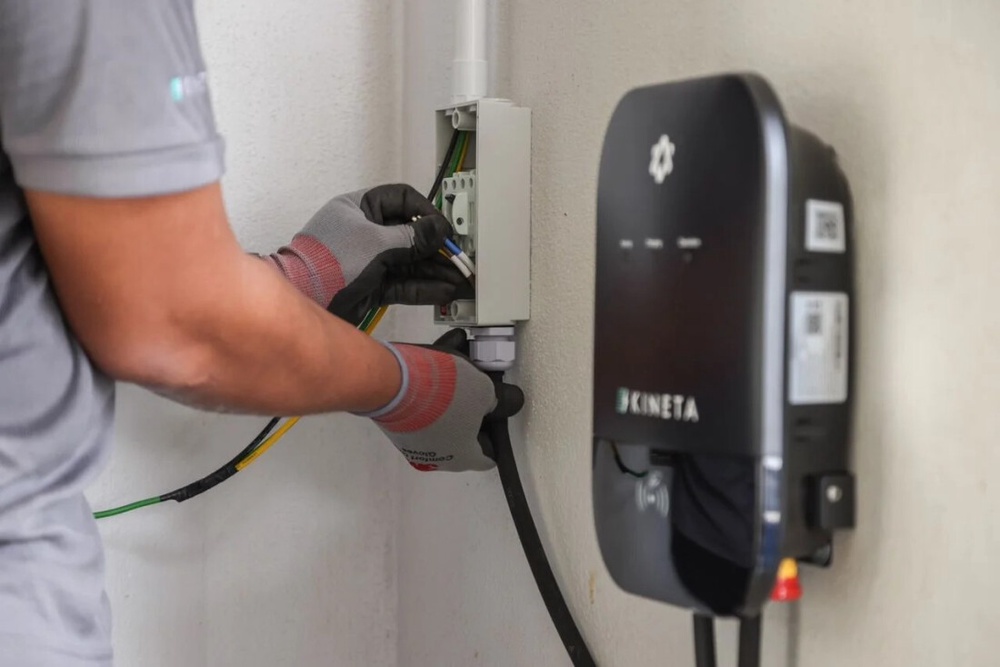
Because installation costs are steep, CPOs naturally prioritize densely populated urban centers where EV usage is high. This creates an ongoing cycle that leaves smaller towns behind:
CPOs won't invest in rural stations because there aren't enough local EV drivers to yield a return.Rural motorists refuse to buy EVs because local charging infrastructure doesn't exist.Until infrastructure precedes adoption, rural petrol stations will remain caught in this deployment stalemate.
4. Fire Safety Standards & Underground Tank Vapor Risks-full_normal.jpg)
Even when funding and corporate approvals align, physical constraints often stop projects in their tracks. Petrol stations deal with volatile fuels, underground storage tanks, and combustible vapors released during refueling.
To prevent electrical sparks from igniting fuel vapors, the Fire and Rescue Department enforces strict distance buffer requirements between EV charging equipment and existing fuel pumps or storage vents. At smaller or older neighborhood stations, there is simply not enough physical ground space to meet these safety clearance zones.
Read: 25 EV Fires In 3 Years — Why Bomba Says The Numbers Aren't What You Think
Read: KL Hits 160% While Perlis Is At 4%? A Look At The Huge EV Charger Gap Across Malaysia