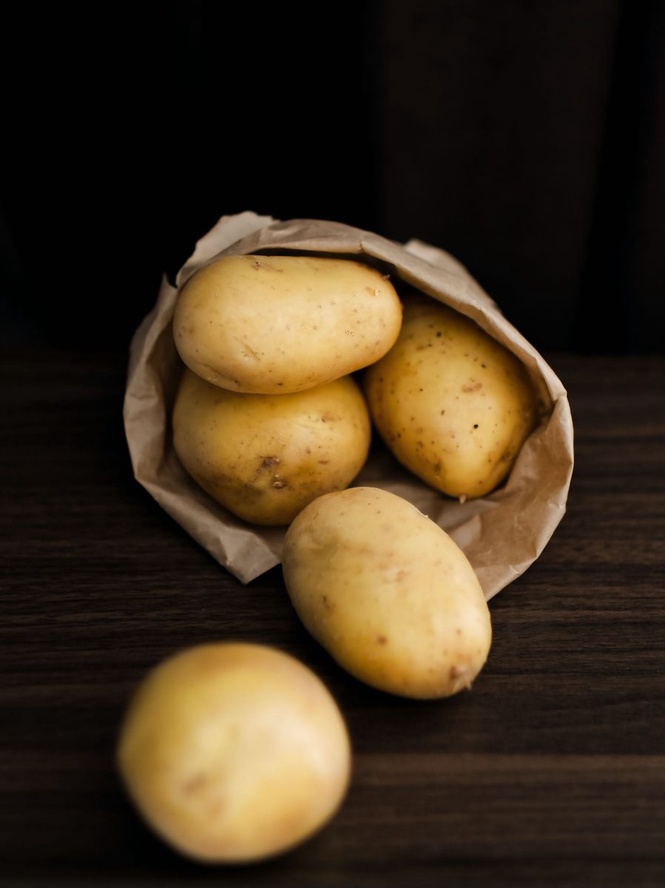
A large bag of potatoes can look like an easy grocery savings win. The price per pound is often lower than buying a smaller bag, and potatoes are versatile enough to work in everything from breakfast to dinner. But there is one catch: buying more only saves money if you can use the potatoes before they spoil.
For smaller households, a 10-pound bag can become a race against sprouting, soft spots, and spoilage. Potatoes can last for weeks under the right conditions, but their shelf life depends heavily on where they are stored. Before choosing the biggest bag on the shelf, it helps to understand how long potatoes actually last, how to use them up, and whether sprouted potatoes are still safe to eat.
A Lower Price Per Pound Doesn’t Always Mean Better Savings
Bulk potato bags often offer a lower unit price than smaller packages, making them tempting for shoppers trying to stretch their grocery budgets. But the actual savings depend on how much of the bag gets eaten. If a household uses only two or three potatoes a week, a large bag could sit in storage long enough for some of its contents to sprout, shrivel, or develop soft spots. The money saved upfront can disappear when unused potatoes end up in the trash.
Before buying, think about how often potatoes appear on your weekly menu. A household that regularly makes baked potatoes, mashed potatoes, soups, or roasted vegetables may use a large bag without trouble. Someone who only serves potatoes occasionally may be better off buying a smaller quantity, even if the price per pound is slightly higher. Loose potatoes can also be a practical option when you need only a few for a particular meal.
How Long Do Potatoes Really Last?
Potatoes do not have one guaranteed expiration date. Their shelf life depends on the variety, how fresh they were when purchased, and the conditions in your home. Under favorable storage conditions, some potatoes can last several weeks or even a couple of months. However, potatoes kept in a typical warm kitchen or pantry may begin deteriorating much sooner. A University of Utah Extension guide estimates that potatoes stored at room temperature should generally be used within one to two weeks, while cooler storage can extend that window.
For better results, keep potatoes in a cool, dark, dry place with good air circulation. A temperature around 45 to 50 degrees Fahrenheit is often recommended for household storage, although many kitchens do not have a space that cool. Avoid leaving potatoes in direct sunlight, near appliances that produce heat, or in damp cabinets. Check the bag regularly and remove any potatoes that are rotting so they do not affect the others.
Sprouted Potatoes Aren’t Automatically a Lost Cause
Finding little shoots growing from a potato can make it look like the entire bag has gone bad. Fortunately, a few small sprouts do not automatically mean the potato must be thrown away. If the potato is still firm and otherwise looks healthy, you can generally remove the sprouts and their eyes before cooking. Sprouting is a natural process that happens as potatoes age, particularly when they are stored for a long time or kept somewhere warm.
The important distinction is between a firm potato with a few small sprouts and one that is extensively sprouted, soft, or shriveled. Potatoes with significant deterioration are better discarded. Also watch for green areas, which can develop when potatoes are exposed to light. Green portions and sprouts can contain elevated levels of natural compounds called glycoalkaloids, including solanine. Remove small green areas generously, but discard potatoes with extensive greening or a bitter taste. Cooking does not reliably eliminate these compounds, so do not assume frying or boiling makes a badly green potato safe.
These Storage Mistakes Can Make Your Bag Spoil Faster
One of the easiest ways to shorten a potato’s storage life is to leave it in the original grocery bag without considering the conditions around it. Plastic packaging can trap moisture, especially if potatoes are stored in a warm or humid area. Excess moisture encourages decay, while exposure to light can lead to greening and sprouting. If the bag is sealed or poorly ventilated, the potatoes may not get the airflow they need.
Transfer potatoes to a breathable paper bag, basket, or ventilated container if their original packaging does not allow adequate airflow. Keep them unwashed until you are ready to prepare them, since washing adds moisture that can encourage spoilage. It is also a good idea to keep potatoes away from onions and other produce that may affect their flavor or storage quality. Check the supply every few days instead of waiting until you need potatoes for dinner.
Seven Easy Ways to Use Up Potatoes Before They Go Bad
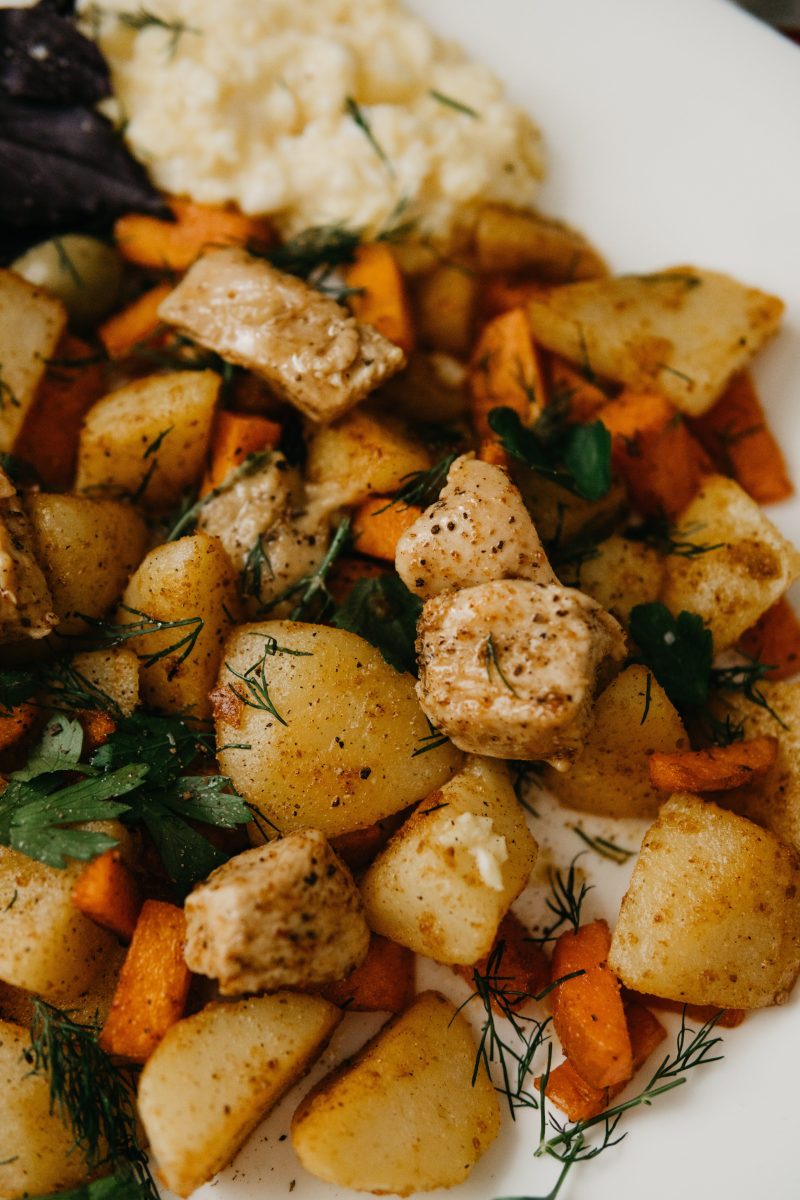
Potatoes are one of the more flexible grocery staples, which makes it easier to work them into meals before they spoil. Baked potatoes, roasted wedges, mashed potatoes, and homemade fries are familiar options, but they can also stretch meals that already include ingredients in your refrigerator. Add diced potatoes to breakfast hash, mix them into vegetable soup, or roast a tray with carrots and onions to serve alongside dinner. Making a larger batch of one dish can also help use several potatoes at once.
You do not have to serve the same potato side dish every night, either. Try potato salad, homemade potato pancakes, shepherd’s pie, or a simple skillet meal with leftover vegetables and protein. If you have more potatoes than you can reasonably use, consider preparing and freezing them in a suitable cooked form rather than freezing them raw. Mashed potatoes and some cooked potato dishes freeze better than whole raw potatoes, which can develop an unpleasant texture after thawing. Planning two or three potato-based meals when you buy a large bag can make the purchase more worthwhile.
When Should You Throw Potatoes Away?
Sprouting alone is not necessarily a reason to discard a potato, but other warning signs deserve attention. Potatoes that are extensively green, moldy, rotten, or noticeably soft and shriveled should not be used. A strong unpleasant smell or wet, mushy areas are also reasons to throw them away. If a potato tastes bitter, stop eating it rather than trying to cover the flavor with seasoning or cooking.
When inspecting a bag, look at the potatoes individually instead of assuming the entire supply is either good or bad. One spoiled potato does not automatically mean every potato in the bag must be discarded, but remove deteriorating ones promptly and check the remaining supply carefully. If several potatoes are already soft, green, or heavily sprouted when you open the bag, the purchase may have been sitting too long or stored poorly. That is a useful warning to consider when choosing your next bag at the store.
Make the Bag Size Match Your Household
A large bag of potatoes can be a good deal for households that cook with them regularly and have a suitable place to store them. But a lower price per pound does not help much when several potatoes are left unused. Smaller households should consider their weekly meal plans, available storage space, and how quickly they typically go through fresh produce before choosing a bulk package.
If you already have a large bag at home, check it regularly, store it somewhere cool and dark, and plan meals that use several potatoes at a time. Remember that a firm potato with a few small sprouts may still be usable after proper trimming, while extensively green, rotten, or deteriorated potatoes belong in the trash. The best grocery deal is the amount you can realistically use, not simply the biggest bag for the lowest price.
What To Read Next
How to Buy and Store Sweet Potatoes and Yams
9 Thanksgiving Foods You Can Safely Buy Weeks in Advance
7 Restaurant Extras That Can Quietly Double the Price of Your Meal
The Food Isn’t Any Healthier — But This Plating Trick May Make You Think It Is
Stop Washing These Foods Before You Store Them
The post Why That Big Bag of Potatoes Could Be a Bad Deal for a Small Household appeared first on Grocery Coupon Guide.