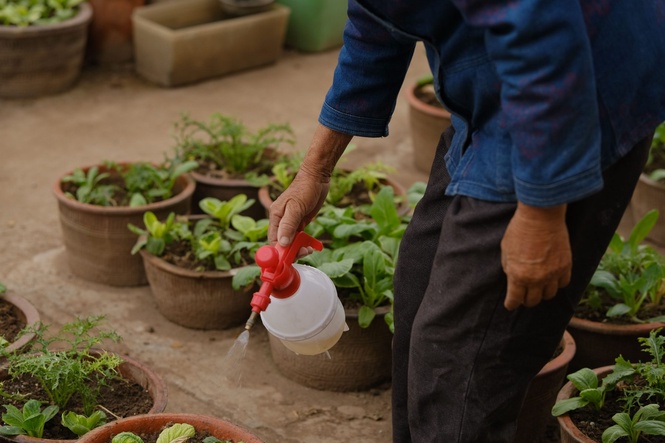
You’ve probably seen the gardening hack circulating online: Mix a little dish soap with water, spray it on your plants, and watch troublesome insects disappear. It sounds almost too good to be true, especially when a bottle of dish detergent costs just a few dollars and promises an alternative to expensive pest control products.
But there’s a problem with this popular homemade remedy.
The same ingredients that make dish soap effective at removing grease from dishes can also damage the protective surfaces of your plants.
According to Iowa State University Extension, ordinary dish detergent isn’t a suitable replacement for insecticidal soap because it can cause plant injury and provides inconsistent pest control.
Before trying another viral gardening shortcut, here’s what you should understand about dish soap on garden plants and why a supposedly inexpensive solution could end up costing you more.
Dish Soap and Insecticidal Soap Aren’t the Same Thing
One of the biggest misconceptions about dish soap on garden plants is that household detergent works exactly like commercially manufactured insecticidal soap. While the products sound similar, they have important chemical differences that affect how they interact with plant tissue. According to Colorado State University Extension, commercial insecticidal soaps generally contain potassium salts of fatty acids specifically formulated to control insects while minimizing plant damage. Most modern dishwashing liquids contain detergents, degreasers, fragrances, preservatives, and other ingredients designed for cleaning dishes rather than treating living plants. That difference matters because a product that’s safe for washing dinner plates isn’t necessarily safe for spraying onto delicate leaves.
Your Plants Have a Protective Coating That Soap Can Damage
Plant leaves have a naturally occurring waxy outer layer called the cuticle, which helps reduce water loss and protects the tissue underneath. Dish detergents are designed to break down oils and grease, meaning they can also interfere with this important protective barrier. The University of Connecticut’s Home Garden Education Office warns that dishwashing detergents can dissolve the waxy cuticle on plant leaves and increase the risk of injury. Damaged leaves may develop brown spots, yellow patches, scorched edges, or other symptoms that resemble disease or environmental stress. Unfortunately, gardeners may respond by adding more fertilizer or pesticides, potentially creating additional problems when the original issue was the homemade spray.
A Homemade Spray Could Burn Sensitive Plants
Not every plant responds to soap exposure the same way, which makes homemade recipes especially unpredictable. Certain ornamentals, including Japanese maples, bleeding hearts, and some begonias, can be sensitive even to commercially formulated insecticidal soaps. Cornell Cooperative Extension explains that plant injury can occur at relatively low soap concentrations, depending on the species and growing conditions. Imagine spraying an entire bed of flowering annuals to eliminate aphids, only to discover several days later that the foliage has developed unattractive brown patches. Using an untested dish soap mixture increases uncertainty because household products aren’t formulated or evaluated for their effects on garden plants.
Hot Weather Can Make the Damage Worse
Applying dish soap on garden plants during hot weather can make an already risky treatment even more damaging. High temperatures, intense sunlight, and drought stress can increase the likelihood of leaf injury from soap-based sprays. NC State Extension advises against applying insecticidal soap in full sun or when temperatures exceed 90 degrees Fahrenheit. Plants that are already struggling with inadequate moisture may be especially vulnerable because their tissues are under additional stress. Even when using a properly labeled garden product, spraying during cooler morning or evening conditions and following the manufacturer’s instructions can help reduce unnecessary damage.
Dish Soap Doesn’t Work Against Every Garden Pest
Another problem with homemade dish soap sprays is the assumption that they’ll eliminate practically any insect feeding on your plants. Commercial insecticidal soaps are generally most effective against soft-bodied pests such as aphids, whiteflies, mealybugs, and spider mites. These products are less effective against many hard-bodied insects, including beetles. Soap-based insecticides also work primarily through direct contact, meaning insects that escape the spray or hatch afterward may remain unaffected. Repeatedly spraying detergent onto your plants without identifying the pest can therefore expose foliage to unnecessary damage without solving the underlying infestation.
Beneficial Insects Can Be Harmed Too
Gardeners often assume homemade pest sprays are harmless to beneficial insects because the ingredients come from ordinary household products. However, the University of Florida IFAS Extension explains that soaps and detergents can affect beneficial insects as well as unwanted pests. Ladybug larvae, lacewing larvae, and other soft-bodied beneficial insects may be vulnerable when directly exposed to certain soap treatments. These insects help control aphids and other garden pests naturally, reducing the need for additional interventions. Before applying any pesticide, inspect the plant for beneficial insects and consider whether the infestation is serious enough to justify treatment.
Homemade Pest Control Isn’t Always the Cheapest Option
The appeal of dish soap on garden plants usually comes down to saving money on pest control. However, replacing a damaged tomato plant, flowering shrub, or collection of annuals can cost considerably more than purchasing an appropriately labeled insecticidal soap. A gardener who spends $4 on dish detergent but loses $30 worth of plants hasn’t actually saved anything. Commercial insecticidal soaps are available in ready-to-use bottles and concentrates, allowing gardeners to choose an option that fits their needs and budget. The Clemson Cooperative Extension recommends commercially formulated insecticidal soaps over homemade mixtures because they’re tested for plant use and are generally less likely to cause foliage damage.
Safer Ways to Deal With Garden Pests
Before reaching for any spray, identify the insect and determine whether it’s actually causing meaningful damage to your plants. Small aphid infestations can sometimes be managed by washing sturdy plants with a gentle stream of water or removing heavily infested leaves when appropriate. There is significant value in beneficial insects in naturally controlling garden pests. If treatment is necessary, choose a pesticide specifically labeled for the affected plant and target insect, and follow all directions regarding application rates, timing, and precautions. Testing a small area first and monitoring the plant for several days can help identify sensitivity before treating the entire garden.
The Best Pest Control Starts With Understanding the Problem
Using dish soap on garden plants may seem like a clever way to avoid spending money, but inexpensive ingredients don’t automatically make a treatment safe or effective. Household detergents can damage leaf surfaces, harm beneficial insects, and provide inconsistent control of the pests you’re trying to eliminate. Commercial insecticidal soaps offer a more predictable alternative when they’re appropriate for the pest and plant involved, although even those products require careful application. Often, the most economical approach involves identifying the pest, encouraging natural predators, and treating only when damage justifies intervention. Before mixing another homemade spray, remember that protecting a healthy plant is usually cheaper than replacing one damaged by a well-intentioned gardening shortcut.
Have you ever tried using dish soap to control aphids or other garden pests? Did it work, or did you notice damage to your plants afterward? Share your experience in the comments!
What to Read Next
Think All Earthworms Are Good for Your Garden? This Invasive Species Is Different
Before You Accept Free Plants From a Neighbor, Check for This Hidden Garden Pest
That Free Firewood Could Bring a Tree-Killing Pest Into Your Yard
The post Why You Should Think Twice Before Using Dish Soap on Garden Pests appeared first on Frugal Gardening.