

ASEAN has emerged as a pivotal arena where the geopolitical strategies of Chinese President Xi Jinping and U.S. President Donald Trump intersect and often clash. Both leaders have employed distinct approaches to assert their nation's influence over the region, leading to a complex web of economic, political, and security dynamics that ASEAN countries must navigate carefully.
Under President Xi Jinping, China has pursued a multifaceted strategy to deepen its ties with Southeast Asian nations. A cornerstone of this approach is the Belt and Road Initiative (BRI), which has facilitated significant infrastructure investments across the region. For instance, during Xi's 2023 state visit to Vietnam, the two countries signed 37 agreements, including plans to enhance railway connectivity and joint maritime patrols.
Economically, China has solidified its position as ASEAN's largest trading partner. In May 2025, China and ASEAN concluded negotiations on the upgraded Free Trade Area 3.0, aiming to incorporate sectors like digital and green economies . This agreement underscores China's commitment to fostering deeper economic integration with Southeast Asia.
Politically, China has leveraged its economic influence to strengthen diplomatic ties. Chinese Premier Li Qiang's participation in the May 2025 ASEAN-Gulf Cooperation Council summit highlighted China's intent to build a trilateral alliance, representing a combined GDP of $25 trillion and a market of over 2 billion people.
Transactional Trump
President Donald Trump's foreign policy has been characterized by a transactional approach, emphasizing bilateral deals and economic nationalism. His administration's withdrawal from the Trans-Pacific Partnership (TPP) in 2017 created a leadership vacuum in the region, which China quickly sought to fill.
In his second term, President Trump has imposed significant tariffs on several ASEAN countries, with rates ranging from 10% to 49% . These measures have disrupted supply chains and prompted concerns about economic fragmentation. For example, Singapore's Prime Minister Lawrence Wong criticized the U.S. tariffs, stating they could accelerate the fracturing of the global economy.
Malaysia, Singapore Pact
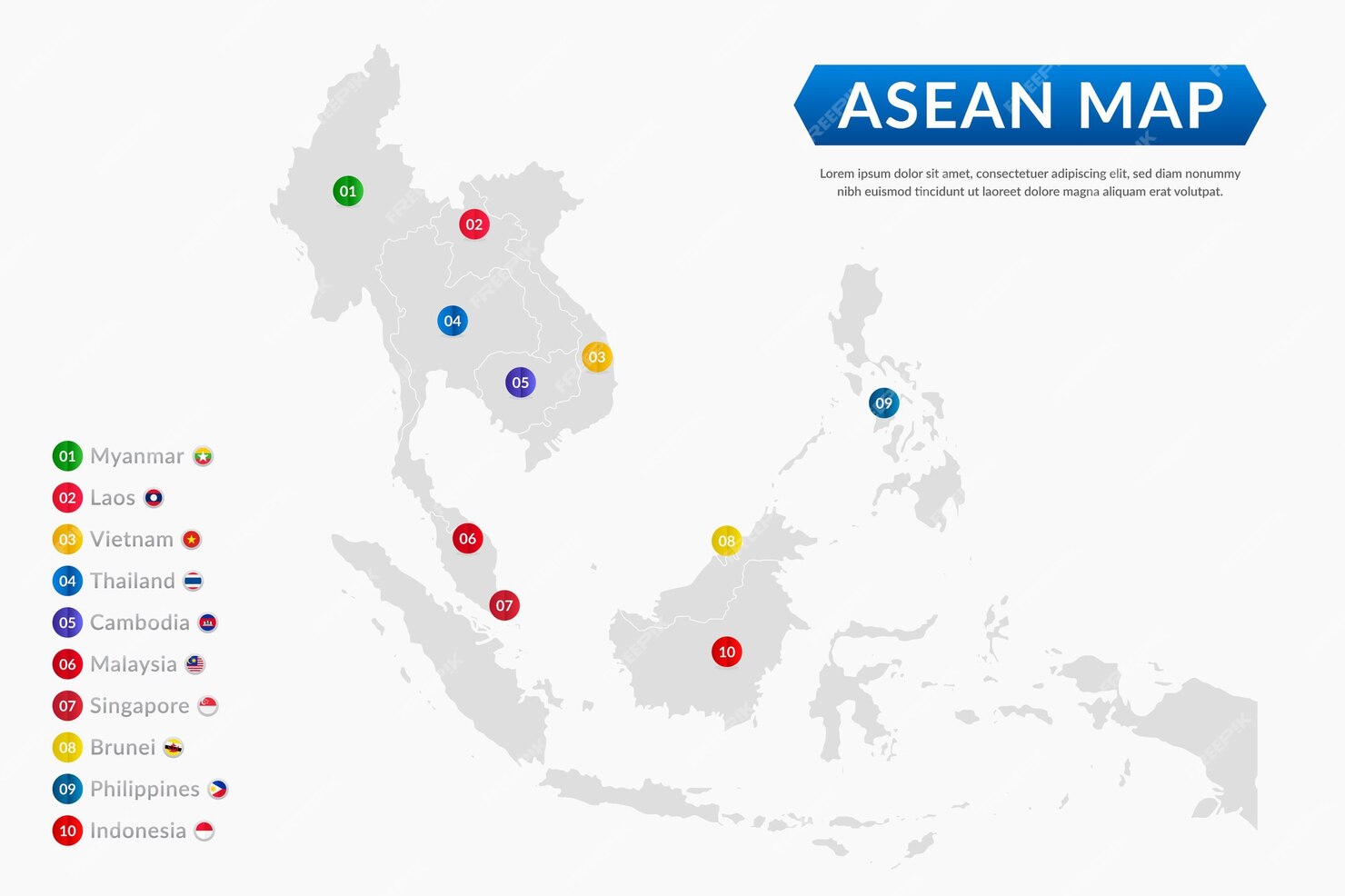
Despite these challenges, some Southeast Asian nations have sought to capitalize on the shifting trade dynamics. Malaysia, for instance, is working on an economic agreement with Singapore to create a special zone aimed at attracting multinational companies seeking alternatives to China.
The divergent strategies of Xi and Trump have placed ASEAN countries in a delicate position, forcing them to balance economic opportunities with geopolitical considerations. While China's investments offer substantial economic benefits, concerns persist over issues like maritime disputes in the South China Sea. Conversely, the U.S. provides critical security partnerships, but its unpredictable policies under Trump have raised questions about long-term commitments.
According to former Malaysian ambassador, Dato Dr K. Illango, in a recent podcast, said China has the edge over the US. According to him, the Asian suoerpower has to reshape its policy as “China has a lot to lose. The Trump administration's tariffs and other measures endangered China’s position in the global multilateral and trading system. Its markets are interrupted, supply chains are disrupted, and therefore China needs to ensure that the external surroundings—the global trading and financial system—remain intact and conducive for its continued growth.China has a lot to lose. The Trump administration's tariffs and other measures endangered China’s position in the global multilateral and trading system. Its markets are interrupted, supply chains are disrupted, and therefore China needs to ensure that the external surroundings—the global trading and financial system—remain intact and conducive for its continued growth.”
ASEAN's response has been to pursue greater regional integration and diversification. Malaysian Foreign Minister Mohamad Hasan emphasized the need for ASEAN to deepen economic integration and market diversification in response to U.S. tariffs.
Additionally, ASEAN leaders have agreed that any bilateral trade agreements with the U.S. should not negatively impact other member nations.
State Security
Security-wise, countries like the Philippines, Malaysia, and Vietnam have bolstered their defense ties with the U.S. to counterbalance China's growing military presence. However, Trump's transactional approach and potential for abrupt policy shifts have led to uncertainties about the reliability of these alliances.
The strategic competition between Xi Jinping and Donald Trump in Southeast Asia underscores the region's growing importance on the global stage.
As both powers vie for influence, ASEAN nations must adeptly navigate the complexities of economic partnerships and security alliances. Their ability to maintain autonomy and foster regional cohesion will be crucial in shaping Southeast Asia's future amid the evolving geopolitical landscape.
Dr. D. Ananda is a content creator under the Newswav Creator programme, where you get to express yourself, be a citizen journalist, and at the same time monetize your content & reach millions of users on Newswav. Log in to creator.newswav.com and become a Newswav Creator now!
The User Content (as defined on Newswav Terms of Use) above including the views expressed and media (pictures, videos, citations etc) were submitted & posted by the author. Newswav is solely an aggregation platform that hosts the User Content. If you have any questions about the content, copyright or other issues of the work, please contact creator@newswav.com.



