Malaria has forced young people entering the workforce in sub-Saharan Africa today to miss nearly 100 days of school on average, according to new research.
The missed education means they are likely to earn 10 per cent less than they otherwise would over their lifetimes, the report from campaign group Malaria No More UK warned.
Campaigners urged international donors to boost spending to tackle malaria, amid fears of a resurgence of the disease. Cases are around a fifth higher now than they were in 2015, with over 280 million cases annually.
Malaria can be deadly, killing around 610,000 people a year – most of whom are African children aged five or under. The new report highlights the long-term impact even on survivors.
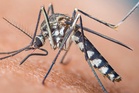
The disease, spread by mosquitoes, causes high fevers that mean a child must stay off school or go to hospital to recover, falling behind their peers. Some rare cases result in brain problems that permanently impair their ability to learn.
The African Leaders Malaria Alliance has estimated that falling international aid spending could result in a 30 per cent shortfall in malaria funding in coming years.
Modelling produced by Impact Global Health for the new report found that a 30 per cent fall in funding for malaria prevention would mean an 18 per cent increase in lost school days for children born this year.
That could threaten the opportunity of an expected “demographic dividend” on the continent, with Africa due to have the highest number of working age people by 2040, the report warns.
Ally Nzowa, 36, teaches Swahili and geography in the Rufiji district of Tanzania. During his seven years as a teacher he has become used to seeing students absent from class during malaria season.
“When a student is suffering from malaria, they don’t come to school,” he said, recalling one particular student who missed a lot of lessons because of malaria infection and was the only pupil in a Swahili class of 46 to receive an F – a failing grade.
Even those who make it into school with a malaria infection can struggle, Nzowa said. “A student attending class with a headache cannot concentrate when the teacher is talking.”
Mr Nzowa believes that better education around malaria, enabling students and their parents to seek care at the first signs of illness, would help, alongside wider availability of rapid test kits.
He is introducing a club in his school to teach children about the disease and how best to avoid infection.
“Malaria kills a large number of people, and sometimes malaria makes students fail to achieve their dreams,” Mr Nzowa said.
The world faces a “perfect storm that threatens the possibility of ending malaria”, the report warns, with challenges including mosquitoes and malaria parasites becoming resistant to existing insecticides and treatments, the impact of extreme weather, and cuts in aid spending that outweigh increases in countries’ own malaria budgets.
Malaria No More UK has called on donors, including the UK government, to continue investing in major global health bodies such as the Global Fund to fight Aids, TB and Malaria, and Gavi, the vaccine alliance.
Gareth Jenkins, the managing director of Malaria No More UK, said: “Our research shows how malaria can define the trajectory of a child’s life by derailing their education and robbing them of a more comfortable income. And, following funding cuts and a perfect storm of additional challenges, we could see yet more children suffer as we face the very real prospect of a malaria resurgence.”
He said that the scale of the response to malaria needed to meet the scale of the challenge. “If we fall short, children across sub-Saharan Africa will continue to be robbed of an education by a disease we have the ability to prevent. But if we meet the moment, we can save lives and help children around the world realise their dreams, as well as providing a much-needed boost to global economic growth in the process,” Mr Jenkins said.
This article has been produced as part of The Independent’s Rethinking Global Aid project